In the heart of our culinary landscape, grains serve as the unsung heroes, providing sustenance and flavor across cultures and cuisines. Among these, rice stands out as a staple food for over half of the world’s population, revered for its versatility and nutritional value. Yet, before the simple grain graces our plates, it undergoes a notable transformation — a meticulous process known as milling. enter the world of rice milling machines, sophisticated yet essential tools that bridge the gap between paddy field and dining table.This article delves into the intricate mechanisms, varying types, and innovative technologies of rice milling machines, offering a extensive guide for enthusiasts, industry professionals, and anyone curious about the journey of grains from farm to fork.Join us as we explore how these machines play a pivotal role in enhancing the quality and accessibility of one of humanity’s most cherished foods.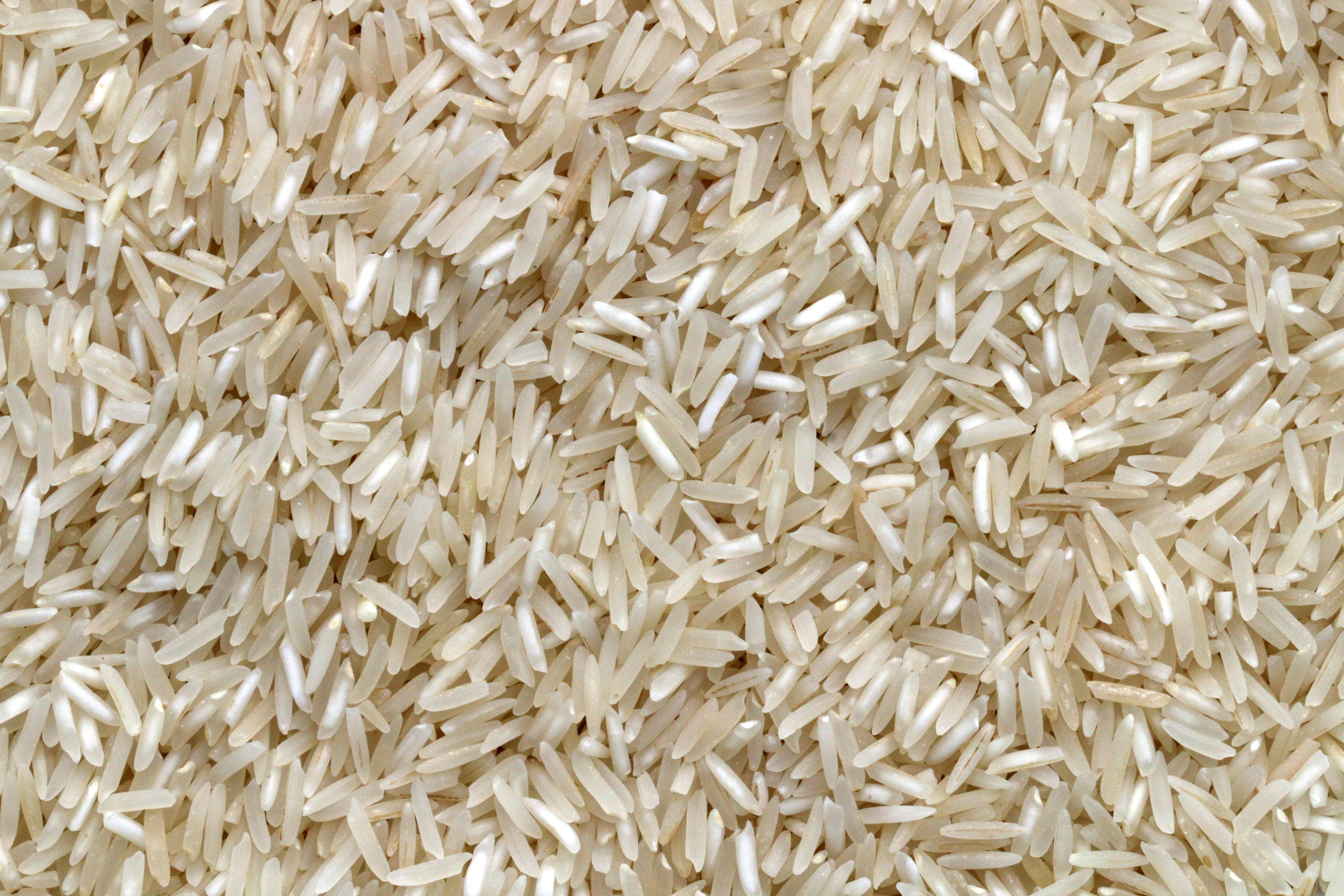
Understanding the Rice Milling Process for Optimal Grain Transformation
Rice milling is an intricate process that transforms paddy into the rice we consume, impacting both the quality and yield of the final product. The process starts with cleaning, where the paddy is thoroughly washed to remove impurities such as dirt, stones, and other foreign materials. following cleaning, the next critical step is hulling, where the outer husk of the rice grain is removed. This step not only enhances the appearance of the rice but also prepares it for the next stages of milling, ensuring minimal damage to the grains. Key components of the rice milling process include:
- Pre-cleaning: Removes large debris before main processing.
- Hulling: The process of removing chaff or husk.
- Milling: The grinding action that transforms brown rice into white rice.
- Polishing: Enhances sheen and overall visual appeal.
Once the rice is hulled, it can undergo milling, where various sizes and types of milling machinery play a vital role. Here,the grains are further refined and polished to achieve the desired levels of perfection. This involves the use of whitening and polishing machines that enhance the quality of the rice while reducing breakage. Different milling techniques—such as wet milling or dry milling—can also affect the final output, frequently enough dictated by the specific market needs or culinary preferences. The progress of the milling can be controlled through meticulous monitoring of parameters like:
| Parameter | Optimal Value | Impact on Quality |
|---|---|---|
| Humidity | 12-14% | Prevents spoilage |
| Grain Temperature | Below 30°C | Reduces damage |
| Hulling Force | Controlled Force | Minimizes breakage |
Grain transformation reaches its pinnacle after polishing, where the rice is buffed to achieve an attractive, glossy finish that resonates with consumer appeal.Throughout each step, quality control remains vital, as even slight variations in the milling process can lead to significant differences in the quality of rice produced. Understanding these nuances of the rice milling process empowers millers and consumers alike, ensuring better practices and informed choices within the rapidly evolving grain market.

Key Features to Look for in High-Quality Rice Milling Machines
When choosing a rice milling machine,there are several essential features that can greatly enhance efficiency and quality. Capacity is a critical factor, as it determines how much rice can be processed in a given timeframe.Look for machines that offer varying processing capacities to match your production needs. additionally, the quality of milling is paramount; machines equipped with advanced husking and whitening technologies can significantly reduce broken rice and improve overall grain quality. It’s also advisable to consider machines that are energy-efficient, as this not only lowers operational costs but also contributes to a more sustainable production process.
Another critically important aspect to evaluate is ease of operation and maintenance. User-friendly interfaces and automatic controls can simplify the milling process, making it accessible for operators of all experience levels. Furthermore, machines with easy access for cleaning and maintenance ensure durability and minimize downtime. Safety features should not be overlooked—invest in machines that incorporate safety guards and emergency shutdown systems. Lastly, consider whether the machine is supported by a reliable service provider for timely maintenance and repair, ensuring that your operations remain smooth and hassle-free.
Maximizing efficiency: Best Practices for Rice Milling Operations
Efficiency in rice milling operations leads to higher productivity and reduced operational costs. To achieve this, it is essential to adopt systematic methodologies that streamline processes. One notable practice is the implementation of preventive maintenance schedules for milling machines. Regular inspections and timely repairs not only ensure smooth operations but also prolong the life of the equipment. Consider the following strategies:
- Routine Calibration: Frequent calibration of milling equipment helps maintain optimal performance.
- Cleaning Protocols: Establishing thorough cleaning routines minimizes contamination and optimizes processing efficiency.
- Automated Monitoring: utilize sensors to monitor machine performance in real-time, facilitating fast adjustments.
Furthermore, the organization of the milling workspace significantly influences efficiency. By strategically arranging machinery and supplies, operations can flow seamlessly. Implementing a 5S methodology (sort, Set in order, Shine, Standardize, Sustain) can enhance organization, thus leading to decreased cycle times and increased throughput. A practical layout can be summarized as follows:
| Area | Purpose |
|---|---|
| Receiving Area | Initial grain intake and quality assessment |
| Milling Section | Core processing stage |
| Packaging zone | final product packaging and distribution |
Top Brands and Technologies in the Rice Milling Industry
In the competitive landscape of the rice milling industry, several brands have emerged as key players, each bringing innovative technologies that enhance efficiency, precision, and sustainability. Top manufacturers are known for their advanced rice milling machines that embody cutting-edge technology and robust design. Notable names include:
- Satake: pioneers in rice processing technology,renowned for their high-quality milling machines that maximize yield and minimize broken rice.
- Bhullar Group: Combines experience and modern engineering,delivering comprehensive milling solutions with a focus on energy efficiency.
- Mitsubishi: Offers sophisticated milling systems equipped with digital controls, ensuring consistent quality and automation.
- Daalchini Technologies: Innovators in integrating AI and IoT in rice mill operations, enhancing data analytics for better decision-making.
The technologies used in rice milling have also evolved, incorporating features that cater to the needs of modern agricultural practices. Key technological advancements include:
- Laser Sorting: ensures superior quality by using lasers to identify and remove defective grains.
- Automatic Weight control Systems: These systems automatically regulate the weight of milled rice, ensuring uniformity and compliance with industry standards.
- Energy-efficient Designs: Machines are now being designed to minimize power usage while maximizing output,which is vital for environmentally conscious operations.
- Mobile Technology Integration: Remote monitoring capabilities allow mill operators to track performance metrics in real-time, increasing operational efficiency.
| Brand | Key Technology |
|---|---|
| Satake | high-yield milling |
| Bhullar Group | energy Efficient Solutions |
| Mitsubishi | Digital Control Systems |
| Daalchini Technologies | AI & iot Integration |
wrapping Up
As we reach the end of our journey through the intricate world of rice milling machines, it becomes clear that these remarkable devices play a pivotal role in transforming grains into the staple food that nourishes billions. From the humble beginnings of harvesting to the sophisticated technology that streamlines the milling process, understanding this evolution has unveiled the artistry and science behind grain transformation.
In an era where efficiency and sustainability are paramount, the innovations in rice milling technology contribute not only to food security but also to the livelihoods of countless farmers and millers around the globe. As you explore the options available, remember that each machine is more than just a tool; itS a catalyst for growth, quality, and a bridge between agriculture and cuisine.
As you embark on your journey in the rice milling industry—whether as a seasoned professional or a curious newcomer—may this guide serve as a reference point. Embrace the possibilities that lie ahead, and may your endeavors in rice milling yield not only grains of remarkable quality but also the satisfaction of playing a vital role in a world forever intertwined with this cherished staple. Here’s to the grains, the machines, and the transformation that brings them to our tables.