
In the heart of countless kitchens and culinary traditions around the world lies one of humanity’s oldest staples: rice. This humble grain, revered for its versatility and sustenance, undergoes a remarkable transformation before it reaches our plates. At the pivotal stage of this journey is the rice milling machine—a marvel of engineering that has revolutionized how rice is processed and prepared for consumption. By efficiently removing husks, polishing grains, and ensuring quality, these machines play a crucial role in enhancing the nutritional value and aesthetic appeal of rice. As we delve into the intricate world of rice milling machines, we uncover their history, technology, and the pivotal role they play in meeting the demands of a growing population. Join us as we explore how these machines not only transform grains into perfection but also impact economies and cultures around the globe.
Understanding the Science Behind Rice Milling Technology
The process of transforming raw rice into polished grains involves a blend of traditional methods and advanced technologies. At the heart of the milling operation lies the rice milling machine, which employs various techniques to ensure that the grains are processed efficiently and with minimal waste. The primary stages of the milling process include dehulling, whitening, and polishing, each utilizing different components of the machine designed for specific tasks. Many modern rice milling machines have integrated systems that optimize energy use and improve yield, incorporating the following features:
- Dehulling Units: These remove the inedible husk and bran layers while safeguarding the integrity of the grain.
- Whitening Machines: Critical for enhancing the color and texture, these units remove residual bran and improve the visual appeal.
- Polishing Chambers: Designed to give the final polish, these chambers not only improve aesthetic quality but also enhance shelf life.
In the pursuit of perfection, the science behind these technologies is applied meticulously. The interplay of temperature, pressure, and time is finely tuned to achieve the desired outcomes without sacrificing grain integrity or nutritional value. Moreover, automatic control systems help monitor and adjust parameters in real time, which contributes to consistent quality across batches. To give a clearer view of the efficiency and advancements in rice milling technology, here’s a simple comparison table summarizing traditional vs modern milling methods:
| Feature | Traditional Milling | Modern Milling |
|---|---|---|
| Processing Speed | Slow | Fast |
| Labor Intensity | High | Low |
| Energy Efficiency | Poor | Excellent |
| Grain Quality | Inconsistent | Consistent |

Key Features to Look for in Modern Rice Milling Machines
When selecting a modern rice milling machine, it’s essential to assess various features that enhance efficiency and quality in grain processing. Look for machines equipped with high-capacity milling units that significantly reduce processing time while maintaining the integrity of the rice. Advanced automated control systems can also streamline operations, allowing for precision adjustments and minimal human intervention. Additionally, machines that offer multi-functional capabilities—such as husking, whitening, and polishing—provide greater value by combining several processes into one compact solution.
Another critical feature is energy efficiency, as the milling process can consume substantial power. Optimized machines are designed to minimize energy consumption without compromising performance, which is crucial for cost-effective operations. Moreover, consider machines with user-friendly interfaces that facilitate ease of operation and maintenance. Incorporating durability and robust construction ensures longevity and reliability, especially in demanding environments. To assist buyers in their evaluation, a comparison table can illustrate these key attributes effectively:
| Feature | Description | Benefits |
|---|---|---|
| High-Capacity Milling | Processes large quantities quickly | Increases output and efficiency |
| Automated Control Systems | Minimizes manual adjustments | Improves consistency and accuracy |
| Multi-Functional Use | Combines various milling processes | Saves space and reduces costs |
| Energy Efficiency | Designed to consume less power | Lowers operational costs |
| User-Friendly Interface | Easy to operate and maintain | Enhances user experience |
| Durability | Robust materials for longevity | Ensures reliable performance |
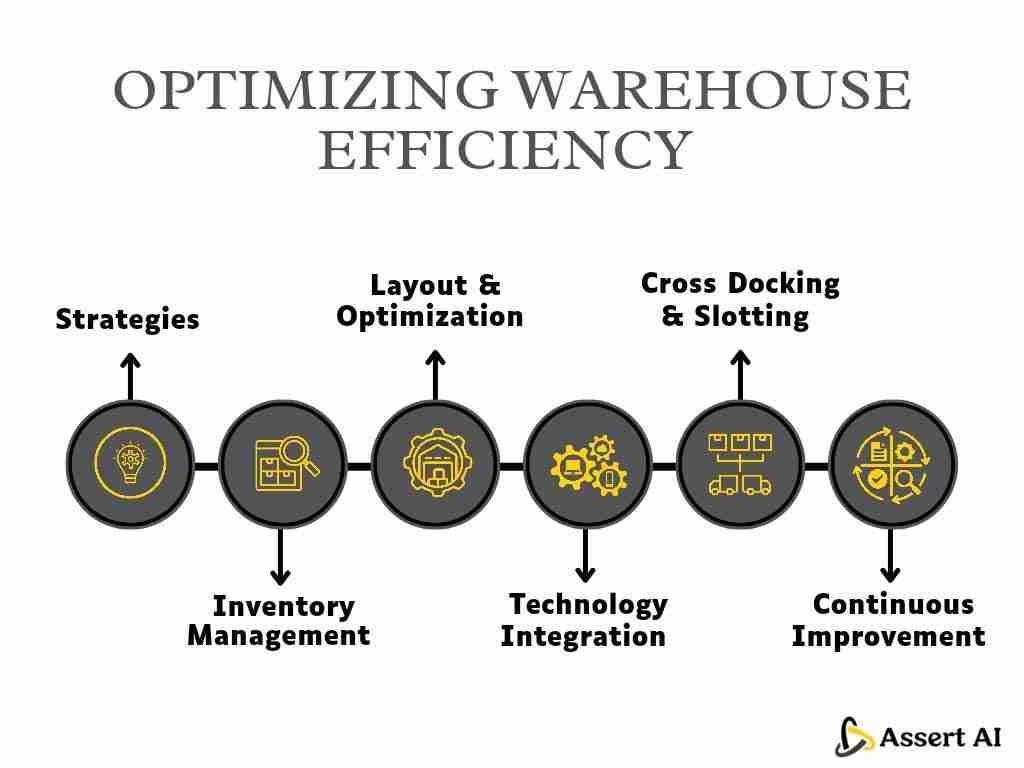
Optimizing Efficiency: Best Practices for Rice Milling Operations
In the dynamic world of rice milling, maximizing efficiency not only boosts productivity but also enhances the quality of the final product. Implementing state-of-the-art milling technologies is essential for transforming rough rice into premium-grade white rice. By utilizing advanced machinery with automated capabilities, operators can reduce labor costs and minimize human error. In addition to machinery, regular maintenance schedules ensure that equipment remains in optimal condition, extending its lifespan and ensuring smooth operations.
Furthermore, adopting best practices in workflow organization is crucial for streamlining the milling process. Utilization of smart inventory management systems can aid in tracking raw materials and finished products, directly impacting the supply chain’s efficiency. Consider these key strategies for improving your milling operation:
- Continuous training of staff to enhance technical skills.
- Implementing quality control protocols to maintain high standards.
- Maximizing space utilization for better workflow.
- Investing in energy-efficient machinery to lower operational costs.
| Practice | Benefits |
|---|---|
| Regular Maintenance | Increases uptime and prevents breakdowns |
| Employee Training | Boosts efficiency and minimizes waste |
| Quality Control | Enhances product consistency |
| Energy Management | Reduces costs and environmental impact |
Future Trends in Rice Milling: Innovations Shaping the Industry
As the rice milling industry continues to evolve, technological advancements are playing a pivotal role in enhancing efficiency and sustainability. Automation and smart technology are integral components of this transformation, allowing mill operators to monitor processes in real-time and optimize production with precision. IoT (Internet of Things)-enabled machines are now able to analyze performance metrics, predict maintenance needs, and even adjust parameters automatically to ensure consistent grain quality. Innovations such as AI-driven sorting systems are revolutionizing how mills handle grains, enabling high-accuracy selection that minimizes waste and maximizes output.
Moreover, sustainability initiatives are gaining momentum, as eco-friendly practices become paramount in the industry. Water conservation technologies are being integrated into milling processes, minimizing resource use while maintaining quality standards. Additionally, the development of energy-efficient machinery not only reduces operational costs but also significantly lowers the carbon footprint of rice production. Mills are increasingly embracing biomass energy solutions, utilizing waste by-products to power their operations, thus promoting a circular economy. As these trends continue to shape the rice milling landscape, the focus remains on harmonizing productivity with environmental responsibility.
| Innovation | Description |
|---|---|
| IoT Integration | Real-time monitoring and optimization of milling processes. |
| AI Sorting | High-accuracy grain selection to reduce waste. |
| Energy Efficiency | Machinery designed to lower operational costs and carbon footprint. |
| Water Conservation | Technologies to minimize water usage during milling. |
Final Thoughts
As we draw the curtain on our exploration of rice milling machines, it becomes evident that these remarkable devices are not merely tools but rather the unsung heroes of the grain transformation process. From the initial stages of husking to the fine final touch of polishing, each machine plays a pivotal role in turning humble rice grains into pristine kernels ready for kitchens worldwide.
In a world that demands efficiency and quality, advances in rice milling technology are continuously reshaping the landscape of food production. By embracing innovation, we pave the way for a future where every grain can be celebrated for its journey from the field to the table.
Whether you’re a farmer looking to enhance your yield or a culinary enthusiast passionate about the quality of your food, understanding the intricacies of rice milling machines opens a door to countless possibilities. As we savor the comfort of our favorite rice dishes, let us remember the journey these grains have undergone, crafted with precision and care, turning everyday meals into extraordinary experiences.
With each grain polished to perfection, rice milling machines remind us that in the pursuit of quality, technology and tradition can together create a remarkable harmony. Here’s to the grains, the machines, and the endless culinary adventures they inspire!




