
In the heart of lush green fields, where the sun kisses the grains and the air is thick with the promise of a bountiful harvest, a quiet revolution is taking root. As farmers across the globe seek innovative solutions to age-old challenges, portable rice mills are emerging as a transformative force in agricultural practices. These compact, efficient milling machines are more than just tools; they symbolize a shift towards sustainability, accessibility, and empowerment in rural communities. In this article, we will explore how portable rice mills are reshaping the landscape of rice production, enhancing food security, and redefining the very notion of what it means to harvest and process one of the world’s most essential crops. Join us as we delve into the mechanics and motivations behind this rising trend, uncovering the profound impact it has on the lives of countless farmers and the future of global agriculture.
Innovative Technology Enhances Rice Milling Efficiency
The landscape of rice milling has experienced a remarkable transformation thanks to cutting-edge technologies that streamline processes and enhance productivity. Farmers are now enjoying the benefits of automated systems designed to optimize each stage of the milling process. Features such as integrated grain sensors and real-time processing monitors not only improve the quality of milled rice but also minimize waste. The incorporation of AI-driven algorithms ensures precise adjustments to milling parameters, thereby delivering consistent results every time. This technological advancement allows for significant reductions in labor costs while increasing throughput, ultimately benefiting both producers and consumers alike.
Furthermore, the rise of portable rice mills has made it simpler for smallholders to access milling services directly in their communities. This mobility eliminates transportation challenges and allows farmers to process their harvest instantly, leading to fresher products on the market. With user-friendly interfaces and energy-efficient designs, these modern mills encourage sustainable practices by minimizing the carbon footprint associated with transport and production. The table below outlines the key features of these innovative portable mills:
| Feature | Benefit |
|---|---|
| Compact Design | Saves space and enhances mobility |
| Low Power Consumption | Reduces operational costs |
| Easy to Operate | Accessible for all users including novices |
| Durability | Ensures longevity and reliability in various conditions |
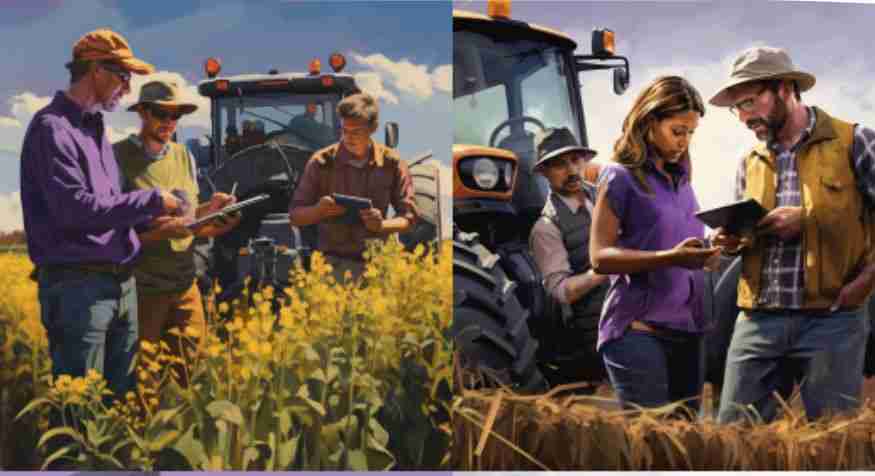
Empowering Farmers: Reducing Labor and Time with Portable Mills
As the agricultural landscape continues to evolve, the introduction of portable rice mills is proving to be a game-changer for farmers seeking efficiency and productivity. These innovative machines minimize the reliance on traditional milling setups, allowing farmers to process their harvests directly in the field. By significantly cutting down on transportation and processing time, portable mills empower farmers to focus on what truly matters: nurturing their crops and bringing them to market. Plus, the ease of use transforms previously labor-intensive tasks into streamlined processes, thereby enhancing the overall yield and quality of rice.
Moreover, the advantages of adopting portable mills extend beyond immediate efficiency gains; they foster a more resilient agricultural ecosystem. Key benefits include:
- Flexibility: Farmers can mill their rice whenever needed, reducing delays and spoilage.
- Cost Savings: With reduced transportation costs and time, farmers can allocate resources more effectively.
- Empowerment: Ownership of milling processes means greater autonomy over production and sales.
- Community Impact: Local farmers can collaborate and share resources, enhancing community bonds.
portable rice mills not only lighten the workload for farmers but also contribute to a more sustainable agricultural future, setting the stage for an era where farmers can take full control of their harvests.

Sustainability in Agriculture: The Environmental Benefits of Mobile Milling
The advent of mobile milling technology has unlocked a new chapter for environmentally conscious agriculture. These portable rice mills, designed to operate near the fields where the crops are grown, significantly reduce the carbon footprint associated with traditional milling processes. By eliminating the transportation of heavy loads over long distances, farmers can minimize greenhouse gas emissions and contribute to a reduction in fossil fuel usage. Moreover, local milling means fresher produce, as the rice can be processed immediately after harvesting, preserving its nutritional quality and flavor.
In addition to lowering emissions, mobile milling promotes sustainable agricultural practices by fostering resource efficiency. Farmers can access milling services on-site, reducing waste and minimizing the need for large-scale processing facilities, which often generate excessive waste. Here’s how mobile milling contributes to sustainability:
- Reduced transportation costs for both the farmers and the environment.
- Less food spoilage due to timely processing.
- Opportunity for local economies to thrive by providing jobs.
- Lower operational expenses as a result of decreased energy needs.
To illustrate the comparison of traditional versus mobile milling impacts, consider this simple table:
| Impact Category | Traditional Milling | Mobile Milling |
|---|---|---|
| Transportation Emissions | High | Low |
| Freshness of Produce | Moderate | High |
| Job Creation | Localized | Community-focused |
| Operational Costs | Higher | Lower |
Navigating Challenges: Recommendations for Adoption and Support in Rural Areas
As portable rice mills gain popularity in rural areas, addressing the challenges of adoption becomes crucial for maximizing their benefits. Community workshops can serve as a platform for educating local farmers about the advantages of these mills, including efficiency and reduced labor costs. Demonstration days allow farmers to see the machines in action, fostering hands-on experience that builds confidence in their operation. Moreover, leveraging local influencers or respected figures within the community can enhance trust and encourage more farmers to embrace this technological advancement.
Support systems are vital for sustaining the momentum of adoption. Establishing microfinancing options tailored for rural farmers can alleviate financial barriers while enabling them to invest in portable rice mills. Collaborations between local governments and agricultural NGOs can create maintenance programs, ensuring that farmers receive timely support in case of machinery malfunction. Additionally, the creation of a community-sharing model, where multiple farmers can pool resources to acquire a mill, fosters a sense of communal ownership and mitigates individual financial risk.
Wrapping Up
As we stand on the precipice of agricultural innovation, the emergence of portable rice mills heralds a new era for farmers around the globe. These compact machines not only promise efficiency but also embody the spirit of empowerment, enabling smallholders to process their harvests with unprecedented ease and accessibility. By bridging the gap between traditional farming practices and modern technology, portable rice mills are transforming the landscape of rice production, fostering sustainability and resilience in communities that rely on this staple crop.
In a world increasingly driven by the call for resilience in food systems, the rise of these mobile solutions shines a light on the importance of adaptability and resourcefulness in agriculture. Farmers equipped with portable rice mills are not just harvesting grains; they are harvesting opportunities, ensuring food security, and contributing to the livelihoods of countless individuals.
As we look ahead, it becomes clear that technological advancements will continue shaping the future of farming. The story of portable rice mills is just one chapter in the broader narrative of agricultural transformation. By embracing innovation while honoring tradition, we can cultivate a future ripe with possibility, where every grain of rice is a testament to progress and perseverance.




