
In the heart of agriculture, where tradition meets innovation, the art of rice milling has undergone a significant transformation. As one of the world’s most essential staple foods, rice plays a pivotal role in feeding billions. Yet, the processes behind its journey from field to plate often remain overlooked. Enter the complete rice milling machine—a groundbreaking solution that combines cutting-edge technology with time-honored practices to revolutionize harvest efficiency. This article delves into the intricacies of this remarkable machinery, exploring its design, functionality, and the profound impact it has on productivity and quality in the rice industry. Join us as we unpack how these machines are reshaping the landscape of agri-tech, ensuring not only enhanced yields but also a sustainable future for rice production.
Understanding the Mechanics Behind Modern Rice Milling Technology
Modern rice milling technology integrates a multitude of advanced mechanisms designed to enhance efficiency and streamline the entire process of rice production. At its heart lies a multi-stage milling system that optimizes the transformation of paddy into polished rice. This system typically includes several key components:
- Paddy Separator: Efficiently separates the paddy from unhulled rice.
- Husker: Removes the outer husk, employing a combination of friction and air pressure.
- Whitener: Smoothens the rice surface while minimizing breakage through precise abrasion techniques.
- Polisher: Enhances the final appearance of the rice, ensuring it’s visually appealing and market-ready.
The remarkable productivity of contemporary rice milling machines is not solely due to their mechanical parts, but also their sophisticated automation systems. Using computerized controls and sensors, these machines adjust speed and pressure in real-time, ensuring optimized performance at every stage. In addition, energy-efficient designs contribute to reduced operational costs while maintaining high output levels. Below is a simple comparison of traditional versus modern milling efficiency:
| Feature | Traditional Milling | Modern Milling |
|---|---|---|
| Output Efficiency | 60-70% | 90-95% |
| Labor Requirement | High | Low |
| Energy Consumption | High | Optimized |
Through these innovations, the industry is not only able to meet the ever-growing demands for rice but also enhance the quality of the final product, contributing to overall food security and economic stability.
Enhancing Efficiency and Yield Through Innovative Milling Processes
The landscape of rice production is evolving rapidly, driven by the advent of innovative milling processes that dramatically enhance both efficiency and yield. With cutting-edge technology at the helm, modern milling machines minimize grain breakage and optimize output quality. These advancements not only lead to better grain texture and nutrition but also reduce waste during processing. Key features of these systems include:
- Automated Precision: Utilizing advanced sensors for regulation and monitoring.
- Energy Efficiency: Designed to consume less power while maintaining high output.
- Multi-Functionality: Capable of performing various tasks such as hulling, polishing, and grading.
Furthermore, these modern milling techniques allow for greater adaptability to varying rice species and market requirements, ensuring that producers remain competitive. The implementation of real-time data analytics further empowers operators to make informed decisions during the milling process, yielding high-quality rice that meets consumer demands. A comparative overview of traditional versus modern milling processes may underscore these significant changes:
| Aspect | Traditional Milling | Modern Milling |
|---|---|---|
| Efficiency | Lower yield, higher waste | Maximized yield, reduced waste |
| Technology | Manual operations | Automated systems |
| Energy Consumption | Higher | Lower |
| Quality Control | Limited options | Real-time adjustments |
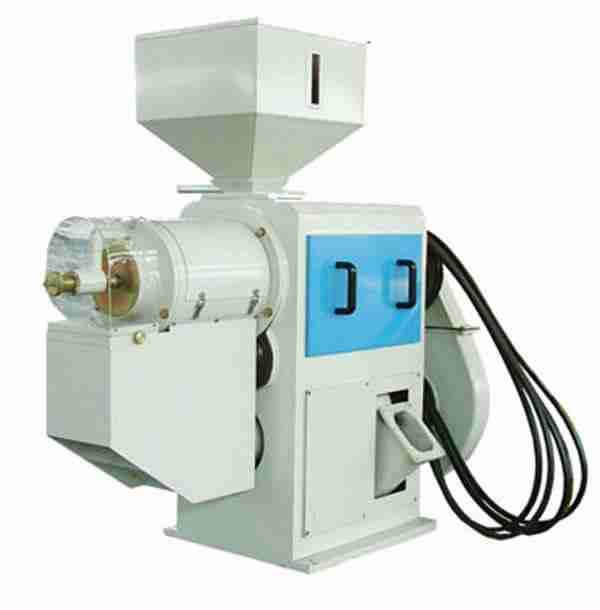
Essential Features to Look for in a Complete Rice Milling Machine
A complete rice milling machine is an essential investment for those looking to maximize their harvest efficiency and grain quality. When choosing the right model, consider features that enhance productivity and operational ease. Automatic feeding systems can significantly reduce manual labor, allowing for continuous operation and less downtime. Additionally, variable speed controls enable adjustments based on rice type and desired output, ensuring optimal milling results. The inclusion of a polishing unit further elevates the product quality by removing any remaining husk or bran layer, resulting in a polished, high-grade rice ready for market.
Another critical aspect to examine is the energy efficiency of the rice milling machine. Look for models equipped with high-efficiency motors and energy-saving features that significantly reduce electricity consumption without compromising performance. The machine’s maintenance requirements should also be simple, with easy access points for cleaning and servicing, helping to prolong its lifespan and maintain consistent output. consider additional features such as dust control systems to maintain a clean working environment and safety mechanisms to ensure operator protection during use.
Sustainable Practices in Rice Milling for a Greener Future
The rice milling industry is undergoing a significant transformation through the implementation of innovative and sustainable practices. To minimize waste and enhance efficiency, modern rice milling machines are designed with energy-saving technologies that significantly reduce carbon footprints. These machines utilize renewable energy sources, such as solar power, and incorporate features like automatic temperature controls, which not only optimize milling performance but also ensure that energy consumption is at its lowest. This shift not only benefits the environment but also leads to long-term economic savings for millers.
Furthermore, adopting eco-friendly practices extends beyond just reducing energy use. Many mills are now focusing on water conservation methods, capturing and recycling water used during the milling process. Additionally, investing in waste management systems allows for the by-products of rice milling—such as husks and bran—to be transformed into valuable resources. This not only contributes to a circular economy but also encourages the use of by-products in alternative applications, such as biofuel and animal feed. The integration of these sustainable practices creates a robust framework for a greener future in rice milling.
Insights and Conclusions
the advancement of rice milling technology represents a significant leap forward in agricultural efficiency and productivity. The complete rice milling machine stands as a beacon of innovation, transforming the way we process one of the world’s most essential crops. By integrating cutting-edge design with user-friendly functionality, these machines not only promise higher yields but also contribute to sustainable farming practices. As we embrace this revolution in harvests, it becomes increasingly clear that investing in modern milling technology is not just a choice—it’s a necessity for farmers aiming to thrive in an ever-evolving agricultural landscape. With every grain milled, we take a step closer to a future where food security and quality go hand in hand, ensuring that the fruits of our labor are enjoyed by generations to come.




