
In the heart of agricultural innovation, a transformation is underway that is reshaping the way we view one of the world’s most essential staples: rice. The rise of industrial rice milling machines marks a pivotal moment in the grain processing industry, where age-old traditions collide with cutting-edge technology. Gone are the days of labor-intensive milling processes that relied heavily on human effort and simple machinery; today’s state-of-the-art machines are not only revolutionizing efficiency but are also enhancing the quality and sustainability of rice production. As we delve into the intricate world of rice milling, we will explore how these industrial advancements are setting new standards in productivity, redefining the supply chain, and revitalizing rural economies across the globe. Join us on this journey to understand the innovations that are transforming grains into gold.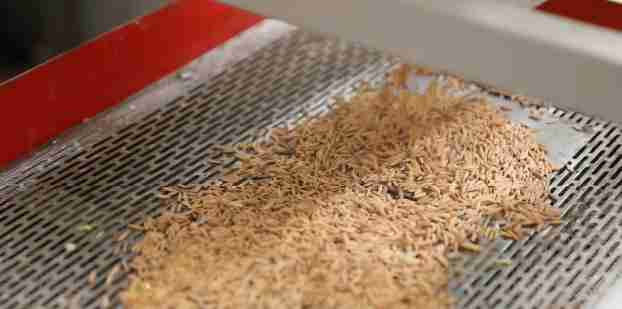
The Evolution of Rice Milling Technology and Its Impact on the Industry
The transformation of rice milling technology has been nothing short of revolutionary, significantly enhancing productivity and quality in the rice industry. Early manual methods relied heavily on human labor, utilizing simple tools such as mortar and pestle. As agriculture advanced, so did the equipment used for processing rice. The introduction of mechanical rice milling machines in the late 19th century marked a pivotal shift. These machines enabled producers to efficiently remove husks, polish grains, and increase overall yield. Today, industrial machines offer precision with features like automatic husking, grading, and low-breakage rates, ensuring that a higher percentage of the milled rice maintains its quality throughout the process.
Among the most significant advancements have been the developments in automation and digital technology. Machines today are equipped with sensors and software that monitor the milling process in real-time, allowing operators to optimize performance and minimize waste. This shift not only increases efficiency but also meets the growing consumer demand for high-quality rice products while reducing the environmental footprint of the milling process. The following benefits illustrate the profound impacts of modern rice milling technology on the industry:
- Increased Output: Higher processing rates compared to manual methods.
- Enhanced Quality Control: Consistent grain quality and reduced broken rice.
- Energy Efficiency: Machines designed to consume less energy and reduce costs.
- Labor Savings: Fewer workers needed for increased output.
| Year | Milestone Technology | Impact |
|---|---|---|
| 1880s | Introduction of Mechanical Mills | Increased milling capacity and reduced labor. |
| 1970s | Automated Milling Systems | Higher precision in milling with minimal waste. |
| 2010s | Smart Sensors and IoT Integration | Real-time monitoring and optimization. |
Enhancing Efficiency: Key Features to Look for in Modern Milling Machines
Modern milling machines have evolved significantly, integrating advanced technologies designed to enhance productivity and efficiency in grain processing. When selecting a milling machine, consider machines equipped with automated feeding systems that ensure a consistent supply of grains, thereby reducing downtime and labor costs. Additionally, precision milling features allow for better control over the grain’s texture and quality, crucial for producing high-grade rice. Features such as parameter monitoring systems can help track performance metrics, leading to informed decision-making and maintenance schedules that enhance operational efficiency.
Another vital aspect to explore is the machine’s energy efficiency capabilities. With rising energy costs, opting for machines designed with variable speed drives can lead to significant savings while ensuring optimal performance. Machines that incorporate smart technology—such as IoT connectivity—can offer real-time analytics and predictive maintenance alerts, paving the way for minimizing mechanical failures. Consider also the layout of the machine; designs that facilitate easy access for cleaning and maintenance will significantly reduce downtime and increase overall productivity.
Sustainability in Rice Production: Eco-Friendly Practices Through Industrial Milling
In the quest for sustainable rice production, eco-friendly practices within industrial milling have emerged as pivotal advancements. Modern milling machines are now designed with energy efficiency in mind, reducing their carbon footprint while maximizing output. These innovations not only minimize energy consumption but also integrate waste management systems that transform byproducts into valuable resources. Some noteworthy practices include:
- Water Conservation: Using closed-loop systems to minimize water usage, thereby protecting local water sources.
- Waste Utilization: Converting rice husks into bioenergy or organic fertilizers, enhancing overall resource efficiency.
- Renewable Energy Sources: Employing solar and wind energy in milling operations to further reduce environmental impact.
Furthermore, the focus on precision milling techniques allows for better grain quality with less overall waste. By leveraging advanced technologies such as digital monitoring and automation, industrial milling processes become more adept at minimizing loss during processing. Cultural practices that go hand-in-hand with milling advancements also play a crucial role in creating a sustainable rice ecosystem. These methodologies include:
| Practice | Benefit |
|---|---|
| Crop Rotation | Enhances soil health and reduces pest infestations. |
| Soil Enrichment | Improves nutrient availability for healthy crops. |
| Integrated Pest Management | Reduces reliance on chemical pesticides, fostering biodiversity. |
These combined efforts not only pave the way for more responsible rice milling practices but also create a holistic framework that champions sustainable agriculture. As industrial milling technology continues to evolve, embracing these eco-friendly approaches will be instrumental in ensuring that the rice industry can thrive without compromising the health of our planet.
Future Trends in Rice Milling: Innovations Shaping the Next Generation of Equipment
As the demand for rice continues to escalate globally, innovative technologies are transforming the rice milling landscape. One of the most notable advancements is the integration of smart technology in milling machines. These modern devices are equipped with IoT capabilities, allowing for real-time monitoring and analytics. Mill operators can now track performance metrics, energy consumption, and grain quality through intuitive dashboards. This shift towards automation not only enhances efficiency but also minimizes waste, paving the way for sustainable rice production. Furthermore, with advancements in artificial intelligence, these machines can learn from historical data, optimizing milling processes to reduce costs and increase output.
The evolution of rice milling equipment also highlights a focus on modular design. Manufacturers are increasingly adopting adaptable components that allow for easy upgrades and customization. This approach not only extends the lifecycle of milling machines but also addresses the specific needs of various rice varieties and market demands. Innovations in energy-efficient technologies are also on the rise, with designs that utilize renewable energy sources and reduce carbon footprints. The potential for green milling practices is becoming a focal point, as stakeholders in the rice industry look to align with global sustainability goals.
To Wrap It Up
As we stand at the crossroads of tradition and innovation, the rise of industrial rice milling machines signifies a monumental shift in the way we approach grain processing. These machines are not merely tools; they are catalysts for progress, ensuring efficiency, sustainability, and quality in every grain we consume. While they streamline operations, reduce waste, and enhance the nutritional value of rice, they also echo the age-old relationship between humanity and agriculture.
The evolution of rice milling technology embodies a broader narrative—one that intertwines agriculture with advancements in engineering and automation. As we embrace these revolutionary machines, we also honor the legacy of rice cultivation that has nourished civilizations for centuries. Ultimately, the journey of grain is a reflection of our collective endeavor to balance innovation with preservation, yielding not only a more productive future but also a profound respect for the resources that sustain us.
In this era of rapid transformation, the industrial rice milling machine stands as a beacon for the agricultural industry, promising to revolutionize not just how we mill rice, but how we imagine the future of grain. As we look ahead, the possibilities are boundless—inviting us all to partake in a dialogue that bridges the gap between the field and the factory, ensuring that every grain tells a story of progress.




