
In the sprawling fields where golden grains dance in the wind, a silent transformation is taking place that promises to reshape the future of agriculture. At the heart of this change lies a remarkable innovation: the industrial rice milling machine. Gone are the days of reliance on cumbersome, labor-intensive methods that struggled to keep pace with growing demands. Instead, this sophisticated technology stands poised to elevate rice production to unprecedented heights, bridging the gap between traditional farming practices and the modern agricultural landscape. As we delve into the intricacies of these machines, we will explore not only their mechanics but also the impact they have on efficiency, sustainability, and the livelihoods of countless farmers around the world. This article invites you to discover how the industrial rice milling machine is revolutionizing grain production and heralding a new era of food security.
Innovative Technology Transforming Traditional Practices
The introduction of advanced machinery has brought a wave of efficiency and precision to grain production, particularly in rice milling. Traditional methods, often labor-intensive and time-consuming, are now being complemented or even replaced by industrial rice milling machines. These innovations not only streamline the milling process but also enhance the quality of the output. With features such as automated sorting, husking, and polishing, these machines ensure that each grain retains its nutritional value while maximizing yield. As a result, millers can now achieve significantly higher throughput compared to conventional methods.
Many rice mills are also adopting sustainable practices thanks to technology. Advanced milling machines often utilize less water and energy, reflecting a commitment to environmentally responsible production. Key advantages of these machines include:
- Increased Efficiency: Production rates soar, achieving optimal output in less time.
- Quality Control: Enhanced precision reduces the chances of product defects, ensuring higher quality rice.
- Labor Reduction: Minimizes the need for manual labor, lowering operational costs.
Moreover, the introduction of data analytics in machine operations enables millers to monitor performance and implement improvements continuously. This integration of technology not only paves the way for a more streamlined production process but also empowers grain producers to respond more adeptly to market demands.
Enhancing Efficiency and Quality in Rice Processing
The introduction of modern industrial rice milling machines has transformed the landscape of rice production, enhancing both efficiency and quality. These machines are engineered to streamline the processing workflow, significantly reducing time spent from harvest to packaging. With features like automatic paddy husking and precise polishing capabilities, they ensure that rice grains are not only processed quickly but also retain their nutritional quality and aesthetic appeal. This efficiency minimizes the loss of raw materials and optimizes energy consumption, making rice milling more sustainable and economically viable.
Furthermore, technological advancements in milling equipment have led to improvements in operational standards, allowing producers to meet increasing market demands for high-quality rice. The integration of features such as moisture control, grain grading, and automated sorting systems means that only the finest quality rice reaches consumers. Consider the following benefits of using industrial milling machines:
- Reduced processing time: Quick and efficient milling cycles.
- Consistent quality: Uniform results with minimal human error.
- Scalability: Adaptable to different sizes of production needs.
- Enhanced safety features: Minimizing risk during operation.
| Feature | Benefit |
|---|---|
| Automatic husking | Increases output volume. |
| Polishing technology | Improves grain appearance. |
| Efficient sorting | Reduces waste and ensures purity. |
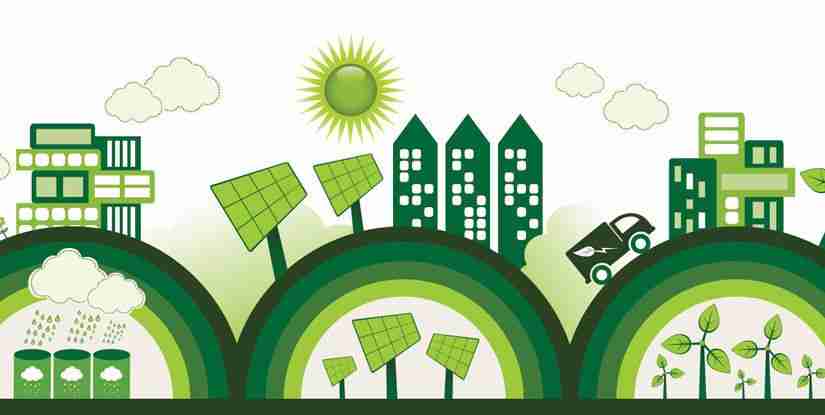
Sustainability and Environmental Considerations in Milling
In the journey towards a more eco-conscious approach to grain production, industrial rice milling machines have evolved to incorporate various sustainable practices and technologies. These advancements not only enhance operational efficiency but also minimize environmental impact. For instance, modern milling systems are designed to optimize energy use, reducing the carbon footprint associated with rice processing. Key sustainable features include:
- Energy-efficient motors that consume less power.
- Proper waste management systems that recycle byproducts like husks and bran.
- Water-saving technologies that minimize usage in the milling process.
Moreover, environmental considerations extend to the sourcing and treatment of raw materials. By prioritizing local farmers and organic cultivation methods, milling operations can support biodiversity and decrease transportation emissions. Integrating eco-friendly practices into the supply chain not only fosters a more sustainable ecosystem but also promotes the resilience of local economies. Additional benefits include:
| Benefit | Description |
|---|---|
| Reduced Waste | Utilization of rice husks for energy production. |
| Lower Emissions | Minimized greenhouse gases through efficient transport logistics. |
| Soil Preservation | Use of organic fertilizers derived from byproducts. |
Future Trends in Grain Production and Machinery Adaptation
As the global demand for processed grain continues to rise, innovations in production methods and machinery are essential to keep pace. The future of grain production revolves around automation and precision technology, paving the way for sustainable practices. Key trends include:
- Smart Farming: Integrating IoT devices and data analytics to optimize resource usage and yield.
- Vertical Farming: Utilizing urban spaces efficiently by growing grain in vertical setups to reduce land use.
- Biotechnology: Genetically modified crops to enhance resilience against climate change and pests.
Moreover, machinery adaptation plays a crucial role in enhancing productivity. The future of grain processing will see a shift towards advanced milling equipment designed to minimize waste and energy consumption. Features anticipated include:
- AI-Powered Systems: Self-learning algorithms to improve milling processes and monitor machine performance.
- Modular Equipment: Allowing easy upgrades and customization to meet specific production needs.
- Sustainability Features: Incorporation of renewable energy sources and recyclable materials within machine design.
In Retrospect
As we stand on the precipice of a new era in agriculture, the industrial rice milling machine emerges not just as a tool, but as a transformative force reshaping the landscape of grain production. Its ability to streamline processes, enhance efficiency, and yield high-quality rice is revolutionizing the way we think about food production. With the world’s population steadily on the rise and the demand for grains increasing, innovations like these are not just beneficial—they are essential for ensuring food security in the years to come.
As we embrace these advancements, it’s essential to recognize the broader implications they carry, from economic empowerment for farmers to the sustainable practices that can emerge from adopting modern technology. The journey of revolutionizing grain production is far from over; it is an ongoing narrative written by the confluence of tradition and innovation. By investing in such transformative technologies, we pave the way for a future where agricultural practices are not only more efficient but also more resilient, inclusive, and environmentally sustainable. The industrial rice milling machine is more than a piece of machinery; it is a vital player in the quest for a more secure and nourishing tomorrow.




