
In a world where efficiency and sustainability are at the forefront of agricultural advancements, the introduction of portable rice milling machines marks a significant turning point in grain processing. Gone are the days when farmers were tethered to large, stationary mills that demanded substantial infrastructure and resources. Instead, the portable rice milling machine presents an innovative solution, enabling farmers to transform their harvested grain with ease and flexibility. This article delves into the mechanics and implications of this groundbreaking technology, exploring how it not only streamlines the milling process but also enhances the livelihoods of rural communities. As we embark on this exploration, we will uncover the myriad benefits, challenges, and future potential of this mobile marvel, which is poised to redefine the landscape of grain processing for generations to come.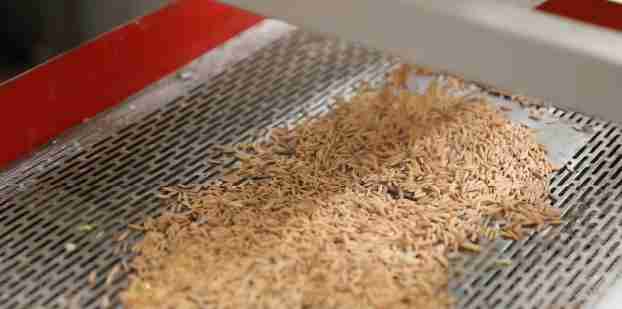
Exploring the Evolution of Rice Milling Technology
The landscape of rice milling technology has transformed significantly over the years, driven by the need for efficiency, cost-effectiveness, and better quality outputs. From traditional stone mills to contemporary automated machinery, each evolution marks a leap towards enhancing productivity. Today, portable rice milling machines are making waves by offering farmers and small-scale millers unprecedented flexibility. These machines are designed to operate in diverse environments, allowing them to be transported directly to the fields, thereby reducing the logistical challenges associated with transporting harvested grains to stationary mills.
Modern advancements in portable rice milling technology showcase features that go beyond mere convenience. Among these innovations are:
- Compact Design: These machines are built for easy mobility without sacrificing performance.
- Energy Efficiency: The latest models are engineered to consume less power while maximizing output.
- Improved Grain Quality: Advanced milling techniques ensure that the rice retains more nutrients and fewer broken grains.
To illustrate the impact of these advancements, consider the following table that outlines key benefits associated with the latest portable rice milling machines:
| Feature | Benefit |
|---|---|
| Mobility | Immediate milling at the source |
| Automated Operations | Reduced labor costs and time |
| Adaptable Settings | Can handle various rice forms and moisture levels |

Understanding the Benefits of Portable Rice Milling Solutions
Portable rice milling solutions are transforming the landscape of grain processing by offering several substantial advantages to farmers and small-scale producers. First and foremost, these machines are designed for mobility, enabling users to mill rice directly at the source. This reduces transportation costs and time, allowing for fresher rice and minimizing the risk of grain spoilage during long transit routes. Additionally, their compact size makes them easy to store and operate, making them an attractive choice for those with limited space or resources.
Another significant benefit lies in the efficiency these machines provide. Portable rice mills often integrate innovative technology that results in higher milling yields compared to traditional methods. Users can expect reduced processing time and enhanced output quality, ensuring that the rice produced meets market standards. Moreover, these machines contribute to the empowerment of local economies by supporting smallholder farmers. By facilitating immediate processing of their harvest, farmers can quickly access local and international markets, ultimately leading to increased income and improved livelihoods.
| Feature | Advantage |
|---|---|
| Mobility | Allows milling on-site, reducing transportation costs |
| Compact Design | Easy storage and operation in small spaces |
| High Efficiency | Improved milling yield and quicker processing |
| Market Access | Empowers farmers to reach local and international markets |
Enhancing Efficiency in Agriculture Through Mobile Milling
The advent of mobile milling technology marks a significant turning point for farmers aiming to improve their grain processing operations. Unlike traditional milling systems that demand extensive infrastructure and logistics, portable rice milling machines transport the milling process directly to the fields. This innovation allows farmers to reduce transport costs, minimize post-harvest losses, and enhance product freshness by milling rice immediately after harvest. Farmers can capitalize on these advantages, thereby ensuring a higher quality product while driving down operational expenses.
In addition to cost and efficiency benefits, mobile milling machines empower smallholder farmers with increased autonomy over their production processes. They eliminate dependency on centralized milling facilities, allowing for greater flexibility in managing crop cycles and timing. The features of these systems typically include:
- Compact Design: Easily maneuverable in diverse terrains.
- Time Efficiency: Reduced milling time boosts overall productivity.
- Energy Efficiency: Often powered by eco-friendly solutions, minimizing the carbon footprint.
Moreover, the immediate milling of rice, facilitated by these machines, ensures better preservation of nutritional value and taste, which can lead to enhanced market prices for farmers. The integration of cutting-edge technology in these portable units not only streamlines the milling process but also promotes sustainable agricultural practices, positioning farmers for future success in an evolving marketplace.
Recommendations for Integrating Portable Milling in Farming Practices
The integration of portable milling machines into traditional farming practices offers numerous advantages that can enhance productivity and efficiency. Farmers should consider adopting the use of these machines to streamline their grain processing methods. Key recommendations include:
- Training and Education: Ensure that farmworkers are adequately trained on how to operate and maintain the portable milling machines to minimize downtime and maximize output.
- Strategic Timing: Schedule milling during optimal harvest conditions to ensure high-quality output and reduce spoilage.
- Community Collaboration: Farmers can collaborate to share resources, making the operation of milling machines more economical while fostering community support.
- Regular Maintenance: Establish a maintenance schedule to keep the machines in peak condition, prolonging their lifespan and enhancing performance.
Additionally, farmers should consider integrating these machines into their supply chain processes. Establishing partnerships with local markets can help in selling milled products more effectively. Creating a system for:
| Strategy | Benefit |
|---|---|
| Supply Chain Integration | Streamlined distribution and higher profit margins. |
| Value Addition | Enhances product appeal and marketability. |
| Direct Sales | Reduces reliance on intermediaries, increasing farmer income. |
Implementing these recommendations can ultimately transform not just the operational aspects of farming but also strengthen the economic sustainability of farmers in the market. By embracing portable milling technologies, farmers can take a significant step toward modernizing their practices and enhancing overall profitability.
In Conclusion
As we stand at the crossroads of tradition and innovation, the portable rice milling machine represents a significant leap forward in the way we approach grain processing. Its advent not only empowers farmers and communities to achieve greater self-sufficiency but also minimizes the barriers that once hindered access to quality milling. This blend of efficiency and mobility ensures that no matter where rice is cultivated, the promise of fresh, perfectly milled grain is within reach.
As we look towards the future, we must embrace these advancements, recognizing their potential to enhance food security, support local economies, and preserve the time-honored practices of rice cultivation. The portable rice milling machine is more than just a tool; it is a testament to human ingenuity, a bridge connecting our agricultural heritage with modern technological progress. In a world that’s ever-evolving, it invites us to rethink not only how we process grain but also how we can sustainably nourish generations to come.




