
In a world where innovation drives progress and sustainability is paramount, the food production industry stands at a pivotal crossroads. Among the staples that nourish billions, rice holds a special place as a primary source of sustenance for more than half of the global population. Yet, the traditional methods of rice milling, often labor-intensive and resource-demanding, have struggled to keep pace with the growing need for efficiency and environmental responsibility. Enter the industrial rice milling machine—an engineering marvel poised to revolutionize how we process this vital grain. For millers and farmers alike, these machines herald a new era, enhancing productivity, reducing waste, and responding to the urgent demand for food security. In this exploration, we delve into the transformative impact of industrial rice milling technology and its potential to reshape the future of food production.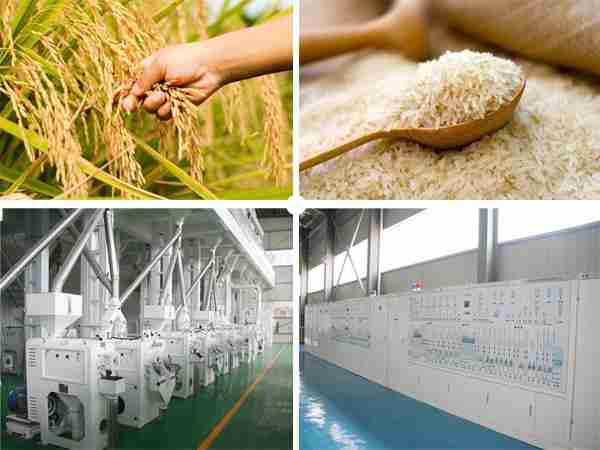
The Evolution of Rice Milling: From Traditional Methods to Industrial Solutions
Over the centuries, rice milling has transformed dramatically, transitioning from rudimentary tools to sophisticated machinery that enhances efficiency and productivity. Traditional methods primarily relied on manual labor using simple devices such as mortars and pestles or stone grinders. These methods, while effective, were labor-intensive and time-consuming, often resulting in inconsistent quality and lower yields. As the demand for rice grew, the limitations of these techniques became apparent, prompting a search for more efficient solutions that could cater to larger populations and commercial needs.
The advent of industrial solutions brought about a revolutionary change in the rice milling process. Modern milling machines utilize advanced technology to automate and streamline production, significantly reducing labor costs and processing time. Key features of these machines include:
- High-precision milling: Ensures uniform grain size and quality.
- Automated sorting: Minimizes impurities and maximizes yield.
- Energy efficiency: Reduces fuel and electricity consumption.
- Scalability: Adapts to various production scales, from small farms to large-scale processors.
This modernization not only meets the increasing demand for rice but also enhances food security by enabling countries to manage their supply chains efficiently. Below is a comparison of traditional vs. industrial rice milling systems:
| Aspect | Traditional Milling | Industrial Milling |
|---|---|---|
| Labor Intensity | High | Low |
| Processing Time | Slow | Fast |
| Quality Consistency | Variable | Uniform |
| Production Scalability | Limited | Highly Scalable |

Enhancing Efficiency: Key Features of Modern Rice Milling Machines
Modern rice milling machines are engineered with advanced technology to maximize productivity and streamline the milling process. These machines come equipped with automatic feeding systems, which not only reduce labor costs but also ensure a consistent flow of raw materials, enhancing overall efficiency. Furthermore, integration of high-capacity huskers and separators allows for better removal of husks and impurities, resulting in cleaner end products. Enhanced control panels enable operators to monitor and adjust settings in real-time, leading to improved operating accuracy.
Another significant feature is the incorporation of multi-functional adaptability, enabling these machines to process various rice varieties seamlessly. Notably, modern designs incorporate energy-efficient motors that consume less power while increasing output, contributing to cost savings and sustainability. With advancements such as vibration technology, the machines ensure that rice grains are milled without excessive breakage, thus maximizing the yield of whole grains. Operators can also benefit from automated cleaning systems, which maintain machine hygiene and reduce downtime, further bolstering operational effectiveness.
| Feature | Benefit |
|---|---|
| Automatic Feeding System | Consistent flow of materials and reduced labor costs. |
| High-Capacity Huskers | Improved removal of husks and impurities. |
| Energy-Efficient Motors | Lower power consumption and enhanced production. |
| Automated Cleaning Systems | Reduced downtime and improved hygiene. |

Sustainability in Rice Production: How Industrial Milling Machines Make a Difference
In the realm of agriculture, the quest for sustainability has never been more pressing, especially in the rice production sector. Industrial milling machines are at the forefront of this transformation, significantly enhancing the efficiency and reducing the environmental impact of rice processing. These advanced machines not only optimize production speed but also minimize waste by ensuring that every grain is milled to perfection. Key benefits of these systems include:
- Increased yield: Efficient milling processes lead to higher output from each batch of rice.
- Energy conservation: Modern machines are designed to consume less energy, lowering the carbon footprint associated with rice processing.
- Waste reduction: Enhanced technology helps in utilizing byproducts like bran for various purposes, thus reducing waste.
Moreover, industrial milling machines incorporate innovative features that bolster sustainability efforts. Advanced technologies, such as automated moisture control and precision milling, not only enhance the quality of the final product but also contribute to resource conservation. The integration of eco-friendly materials in machine manufacturing further reinforces this commitment to sustainability. A comparison of traditional versus modern milling machines reveals notable differences:
| Feature | Traditional Milling | Industrial Milling |
|---|---|---|
| Energy Efficiency | Lower | Higher |
| Waste Generation | Higher | Lower |
| Production Speed | Moderate | Fast |
| Quality of Output | Varied | Consistent |
As the need for sustainable food production becomes more critical, the role of industrial milling machines in enhancing rice production is undeniable. These machines are not just tools of efficiency; they represent a pivotal shift towards environmentally responsible agriculture, ensuring that we can meet the demands of a growing population while preserving the planet’s resources.
Investing in Innovation: Recommendations for Adopting Advanced Milling Technologies
To fully harness the benefits of advanced milling technologies, it is crucial for businesses to adopt a proactive approach towards planning and implementation. Investing in the right equipment can significantly enhance production efficiency while improving product quality. Here are some essential recommendations for a successful transition:
- Conduct Thorough Research: Understand the specific needs of your operation and evaluate the available technologies that best fit those requirements.
- Prioritize Training: Ensure your staff are well-versed in operating new machinery to maximize output and minimize errors.
- Evaluate ROI: Analyze expected returns and consider long-term impacts on production capabilities and market competitiveness.
- Implement Incremental Upgrades: Start with pilot projects to reduce risk and allow for adjustments before a full-scale rollout.
Furthermore, companies should focus on building strategic partnerships with technology providers to stay ahead in innovation. Collaborations can provide insights into the latest trends and technologies in rice milling. Consider these factors while establishing partnerships:
| Factor | Importance |
|---|---|
| Supplier Reputation | Ensures reliability and quality of equipment. |
| Technical Support | Provides ongoing assistance to resolve issues timely. |
| Innovative Solutions | Offers cutting-edge technologies that enhance efficiency. |
To Conclude
the industrial rice milling machine stands as a testament to the profound transformation taking place in food production. As we continue to push the boundaries of agricultural efficiency and sustainability, this innovative technology offers a glimpse into a future where enhanced productivity meets quality assurance. With its ability to streamline operations, reduce waste, and improve the livelihoods of farmers and communities alike, the industrial rice milling machine is more than just an apparatus; it is a beacon of progress in an ever-evolving industry. As we navigate the complexities of food security and environmental stewardship, embracing such advancements will be crucial in meeting the challenges of tomorrow. The journey of rice, from field to table, is being revolutionized – and as we witness this change, we are reminded of the intricate web connecting technology, agriculture, and the world we nourish.




