Unveiling the Secrets of Conventional Chinese Rice Mills
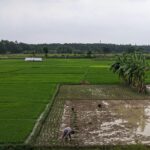
Nestled within the picturesque landscapes of rural China, where verdant rice paddies dance under the sun, lies a treasure trove of culinary heritage waiting to be rediscovered. Traditional Chinese rice mills, with their intricate machinery and time-honored techniques, stand as a testament to an age-old practice that has shaped the foundation of Chinese cuisine. Yet, beyond their functional purpose of processing grain, thes mills embody stories of craftsmanship, community, and the delicate balance between tradition and modernization. In this article, we embark on a journey thru the heart of these mills, exploring not only the intricate workings and methods that define them but also the cultural meaning they hold. As we unveil the secrets of traditional rice milling, we invite you to appreciate the artistry behind each grain of rice, forged in the whispers of history and the hands of skilled artisans. Join us as we delve into the rich tapestry of flavors,traditions,and innovations that continue to thrive within these charming relics of agricultural ingenuity.

Exploring the Craftsmanship Behind Traditional Chinese Rice Milling
At the heart of traditional Chinese rice milling lies an artisanS touch, where age-old techniques blend seamlessly with natural materials. Craftsmen have honed their skills over centuries, relying on simple yet effective machinery that preserves the integrity of the rice. Each mill,frequently enough powered by water or wind,features wooden components and stone grinding surfaces that retain the rice’s nutritional value while achieving the desired texture. The entire process invites a sensory experience where the rhythmic sound of milling echoes through the countryside, embodying the age-old relationship between the land and its people.
Key attributes of traditional rice milling craftsmanship include:
- Manual operation: Many mills operate through human strength, emphasizing the importance of skilled labor in every step.
- Natural Materials: Selecting specific types of wood and granite ensures durability and enhances the flavor profile of the rice.
- Attention to Detail: Each stage—from husking to polishing—requires meticulous observation to guarantee quality.
| Process Stage | Description |
|---|---|
| Husking | Removing the outer husk from the rice grain using mechanical force. |
| Grinding | Throughout this stage, the grains are delicately pressed and rolled to achieve the proper consistency. |
| Polishing | Bringing out the shine of the rice grains while preserving their essential nutrients. |

The Nutritional Benefits of Using Stone-Milled Rice
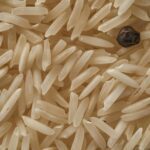
Stone-milled rice, cherished in traditional chinese culinary practices, offers a wealth of nutritional advantages over its commercially milled counterparts. One of the primary benefits of stone milling is that it preserves the bran and germ, which are vital sources of essential nutrients. This process ensures that the rice retains important elements such as vitamins, minerals, and healthy fats. Moreover, as the grinding is done at a lower temperature, the nutrients are less likely to degrade, providing a wholesome option for health-conscious consumers.
In addition to preserving nutritional content, stone-milled rice is frequently enough recognized for its enhanced flavor and texture. The gentle milling process can lead to a nuttier taste, offering a delightful culinary experience. When integrated into meals, this rice variety can contribute to a well-rounded diet that includes key components such as:
- Complex carbohydrates: A stable source of energy.
- Fiber: Aids in digestion and promotes a healthy gut.
- Vitamins: Especially B vitamins, which play a role in metabolism.
- Minerals: Such as magnesium and phosphorus, crucial for bone health.
Here’s a quick look at the nutritional comparison between stone-milled rice and regular white rice:
| nutritional Component | Stone-Milled Rice (per 100g) | White Rice (per 100g) |
|---|---|---|
| Fiber | 4g | 0.5g |
| Protein | 3g | 2.7g |
| Iron | 0.7mg | 0.2mg |
| B Vitamins | 0.3mg | 0.0mg |
By incorporating stone-milled rice into your diet, you not only enrich your meals but also benefit from the ancient and cultural significance that comes with this traditional method of grain processing. The deep-rooted practices of stone milling ensure that the essence of rice is preserved, allowing for a nutritious and flavorful experience at the dining table.
Sustainability Practices in Traditional Rice Mills
Traditional rice mills have long been the backbone of agricultural communities, showcasing methods that have remained largely unchanged for generations. These mills utilize a variety of enduring practices that not only honor ancestral techniques but also promote environmental stewardship. Water conservation is one key practice, where the flow of water is carefully monitored to minimize waste during the milling process. Additionally, by leveraging renewable energy sources, such as biofuels derived from rice husks, these mills can reduce their carbon footprint while remaining economically viable. Such practices foster a harmonious relationship between the mill and its surrounding ecosystem.
Another aspect that enhances sustainability in traditional rice milling is the waste recycling process. Rice husks and bran,frequently enough considered byproducts,are repurposed in several innovative ways. such as, husks can be transformed into organic fertilizer, enriching the soil for future crops, while bran can be used in animal feed, thereby promoting the efficient utilization of all parts of the rice plant. Moreover, traditional mills often foster local community engagement, empowering farmers to collaborate and share resources, which strengthens local economies. This interconnected approach not only preserves traditional methods but also drives collective responsibility towards sustainable agriculture.
Preserving Cultural Heritage Through Rice Milling Techniques
For centuries,the art of rice milling in China has served as a vibrant tapestry woven from the threads of tradition,craft,and community. Each traditional rice mill is not merely a facility for processing grains; it stands as a testament to the ancestral techniques passed down through generations. The significance of these practices lies not just in the products they yield but in the cultural heritage they preserve. Various milling techniques—such as stone grinding, hand pounding, and the use of wooden machines—demonstrate the ingenuity of ancient communities to make the most of their resources while maintaining a close relationship with their diet and agrarian lifestyles.These methods, often accompanied by community rituals and gatherings, further embed the practice into the social fabric, making it a cherished cultural hallmark.
To truly appreciate the importance of traditional rice milling, one must examine the distinct milling techniques associated with different regions in China, each reflecting its own historical and cultural nuances. The following table illustrates a few notable methods and their unique cultural significance:
| Milling Technique | region | Cultural Significance |
|---|---|---|
| stone Grinding | Sichuan | Associated with ritualistic celebrations and family unity |
| Hand Pounding | Yunnan | A symbol of labor and dedication in agricultural communities |
| Wooden Machine | Guangdong | Reflects innovative spirit and adaptation to local resources |
These diverse techniques not only offer insight into the local customs and traditions but also accentuate the significance of rice as a staple, nourishing both body and soul. The melding of these practices with daily life celebrates the communal bonds formed through shared labor and culinary experiences.By preserving these unique milling techniques, we safeguard a vital component of cultural history, ensuring that future generations can delve into the rich narratives behind their food and heritage.
future Outlook
As we draw the curtain on this exploration of traditional Chinese rice mills, we find ourselves not just ambassadors of grain, but custodians of culture. Each mill tells a unique story—a harmonious blend of ancient practices and artisanal craftsmanship that has quietly shaped the fabric of rural life over centuries. weather it’s the rhythmic pulse of the stone grinder or the fragrant wafts of freshly milled rice, these mills represent a way of life rooted in tradition and sustainability.
In an age where modernity often overshadows the past, the enduring legacy and meticulous techniques of these rice mills offer a poignant reminder of our connection to the land and our food. As we embrace the future, let us also honor these age-old practices that nurture not just our bodies, but our communities and histories.
So next time you savor a bowl of perfectly cooked rice, take a moment to appreciate the timeless journey it undertook—from the swaying fields of golden grains to the venerable wooden structures where tradition is preserved. In every bite, there lies a world of secrets waiting to be unveiled.