
Unveiling the Secrets of Chinese Rice Mills: A Cultural Journey
Nestled within the vibrant tapestry of Chinese agriculture lies a world that pulses with tradition, innovation, and resilience: the rice mill. As one of the oldest cultivated grains, rice holds not only nutritional value but also deep cultural significance across China. From the verdant paddies of the Yangtze River Delta to the bustling urban centers, rice mills serve as the backbone of a richly woven heritage, where age-old practices meet modern technology. This article embarks on a fascinating exploration of Chinese rice mills, peeling back the layers of history, craftsmanship, and community that define them. Join us on this cultural journey as we uncover the secrets of these essential hubs of sustenance, revealing how they embody the spirit of a nation and connect generations in the ever-evolving landscape of Chinese life.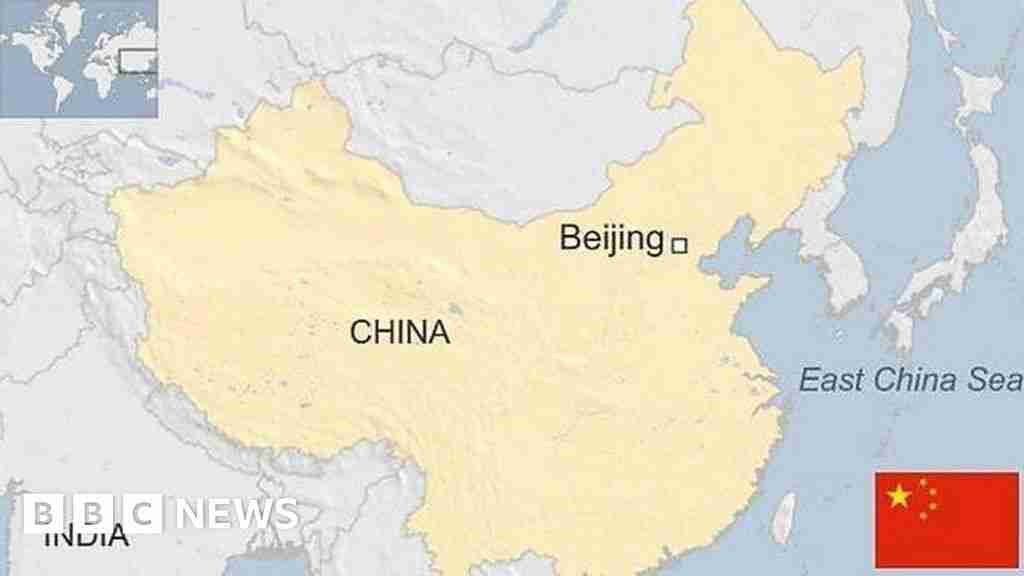
Exploring the Heart of Rice Production in China
The landscape of rice production in China is a tapestry woven from tradition and innovation. In regions like the Yangtze River Delta, the gentle hum of machinery resonates through the fields, revealing a harmonious blend of ancient practices and modern technology. Chinese rice mills stand as testament to this evolution, where meticulous processes meet state-of-the-art equipment, transforming paddy into the aromatic grains cherished on dinner tables worldwide. Visitors can witness firsthand the intricate steps of milling, from initial cleaning and hulling to polishing and packaging, each phase steeped in generations of expertise that speak to the heart of Chinese culture.
As one delves deeper into the world of rice mills, it becomes evident that this sector is not merely about production; it’s a reflection of communal identity and agricultural heritage. Key aspects that embody this cultural journey include:
- Seasonal Festivals: Celebrations that showcase the harvest, often featuring traditional dances and culinary delights.
- Local Varietals: Distinct rice varieties, such as Jasmine and glutinous rice, each telling a unique story of their provenance.
- Sustainable Practices: Efforts to balance tradition with ecological responsibility, ensuring future generations can continue this legacy.
As visitors explore these mills, they not only learn about the art of rice production but also the deep-rooted customs that bind communities, reaffirming rice as a staple that nourishes both body and spirit.
Traditional Techniques and Modern Innovations in Rice Milling
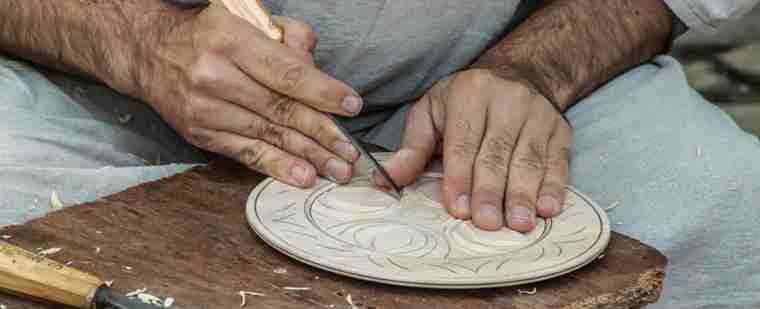
Throughout history, rice milling in China has evolved through a fascinating blend of traditional techniques and modern innovations. Early mills predominantly relied on manual labor, utilizing simple wooden structures and stone grinders. Farmers would often gather at community mills, where the rhythmic sounds of hulling and stone grinding echoed through the fields, creating a vibrant atmosphere. This communal practice not only facilitated the milling process but also fostered a strong sense of community among local cultivators. Millers would often incorporate natural elements—such as water and wind—to optimize the milling process, using water wheels for power and making the most of the local environment. These age-old methods highlight a deep respect for both the land and the harvest, ensuring that rice was processed with care and minimal waste.
As technology advanced, so too did the methods employed in rice processing. The introduction of modern machinery drastically transformed the industry, enabling mills to operate with enhanced efficiency and productivity. Features such as automated huskers and high-capacity threshers not only reduced the physical labor required but also improved the quality and consistency of the final product. Innovations like digital moisture meters and optical sorters exemplify how technology has redefined quality control in rice milling, ensuring that farmers can deliver the best product to consumers. The integration of these advancements has led to a remarkable synergy between the traditional values of rice milling and the demands of contemporary markets. Balancing heritage with innovation creates a rich tapestry that continues to shape the cultural landscape of rice production in China.
| Traditional Techniques | Modern Innovations |
|---|---|
| Manual grinding using stone mills | Automated husking machines |
| Community milling gatherings | High-capacity threshers |
| Wooden structures powered by water wheels | Electric-powered machinery |
| Natural sorting methods | Digital optical sorters |

Cultural Significance of Rice in Chinese Heritage
Rice is more than just a staple food in China; it represents the very essence of life and sustenance. As one of the oldest cultivated crops, it holds a central place in Chinese history and culture, symbolizing prosperity and fertility. Over centuries, various traditions and rituals have been woven around rice, reflecting its importance in everyday life. From the elaborate preparations during harvest festivals to the simple acts of sharing a bowl of rice, the grain serves as a bridge connecting generations and communities. The deep-rooted cultural significance of rice is observed in various aspects of Chinese society, including:
- Festivals: Rice plays a crucial role in festival celebrations like the Mid-Autumn Festival, where rice dumplings symbolize reunion.
- Food Symbolism: In traditional banquets, rice embodies the completeness and fulfillment of a meal.
- Folklore and Myths: Tales of deities and ancestors often revolve around rice, illustrating its divine connection to life and agrarian practices.
Additionally, rice cultivation practices have nurtured not only the land but also social structures and relationships within communities. The labor-intensive process of planting, harvesting, and milling rice has forged bonds among families and neighbors, creating a shared cultural identity. This collaboration is evident in traditional agricultural practices. The following table outlines some common rice varieties and their cultural associations:
| Rice Variety | Cultural Association |
|---|---|
| Jasmine Rice | Aroma and hospitality |
| Sticky Rice | Celebrations and offerings |
| Brown Rice | Health and balance |
Sustainable Practices and Future Directions for Rice Mills
As the world increasingly acknowledges the importance of sustainable practices, Chinese rice mills are beginning to adopt eco-friendly methodologies that not only enhance efficiency but also protect the environment. These mills are exploring innovative solutions to minimize waste and energy consumption, implementing measures such as:
- Water Conservation: Many mills are investing in advanced water recycling systems that reduce the need for freshwater and limit the wastewater produced during the milling process.
- Bioenergy Utilization: The utilization of rice husks and other by-products as biofuels is gaining traction, allowing mills to generate their own energy while minimizing waste.
- Green Certifications: Some facilities are pursuing certifications that reflect their commitment to sustainability, which not only attracts environmentally conscious consumers but also promotes responsible agriculture.
Looking ahead, the future of rice milling in China appears promising, driven by both technology and tradition. The integration of smart technology into milling processes can lead to increased yields and decreased ecological footprints. Potential advancements may include:
- Precision Agriculture: Utilizing data analytics and IoT devices to monitor crop health and optimize milling operations, ensuring the highest quality output.
- Community Involvement: Collaboration with local farmers and communities to promote sustainable farming practices ensures a holistic approach to rice production.
- Circular Economy Initiatives: Developing systems to repurpose by-products of rice milling, transforming waste into valuable resources that can benefit the entire agricultural sector.
| Sustainable Practice | Potential Benefit |
|---|---|
| Water Recycling Systems | Reduced freshwater consumption |
| Bioenergy from By-products | Self-sufficiency in energy |
| Smart Technology Implementation | Improved efficiency and reduced waste |
Concluding Remarks
As we conclude our exploration of Chinese rice mills, we find ourselves not just privy to the mechanics of grain processing, but also woven into the rich tapestry of culture, history, and community that these mills represent. Each grain of rice, carefully husked and polished, carries stories from sunlit terraces and the hands of generations who have nurtured this vital crop.
The journey through these mills reveals more than just the art of rice production; it offers a glimpse into the heart of Chinese agricultural practices, where tradition meets innovation. We’ve witnessed how these facilities serve as vital hubs for local economies, fostering connections between farmers and consumers, and preserving age-old customs in an ever-changing world.
In unearthing the secrets of Chinese rice mills, we invite you to appreciate the intricate balance of heritage and modernity that breathes life into this essential staple. As global palates evolve and cuisines intermingle, let us remember that behind every bowl of rice lies a history worth celebrating and a culture eager to share its bounty. So, whether you’re indulging in a fragrant bowl of fried rice or savoring a comforting congee, take a moment to reflect on the journey it undertook—one filled with labor, love, and a profound connection to the land.




