In the hush of dawn, where the first light kisses the fields, a humble yet transformative process begins to unfold. nestled amidst verdant landscapes and agricultural hinterlands, the rice mill stands as a silent sentinel of tradition and innovation—a place where nature’s bounty undergoes a metamorphosis into something far more precious. This article embarks on a journey into the heart of the rice mill, that intricate hub where grains, once cradled by fertile earth, are refined and revealed in their truest form. As we peel back the layers of this industrious sanctuary, we’ll explore the meticulous processes that elevate a simple grain to the status of gold, shedding light on the labor, technology, and passion that turn the humble rice into an integral pillar of sustenance across cultures. Join us as we unveil the secrets behind the rice mill, where every husk holds a story and every grain whispers the promise of nourishment and prosperity.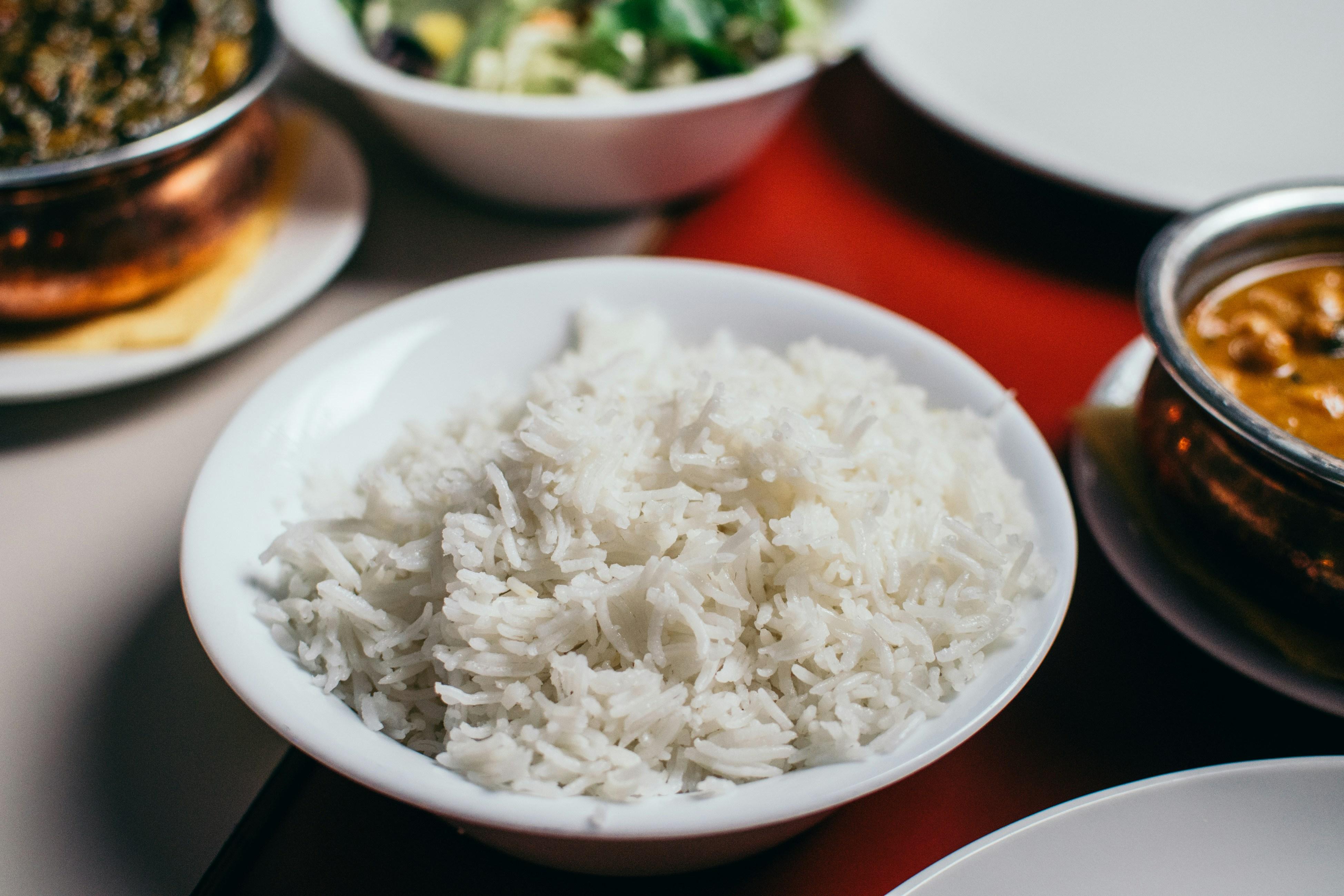
Exploring the journey of Rice from Field to Mill
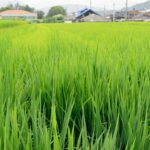
Rice is more than just a staple food; it is indeed a cultural cornerstone in many societies. the journey begins in lush green fields, where dedicated farmers sow the tiny grains into rich, damp soil. As the sun shines and rain nourishes the young plants, life begins to flourish in the fields. Farmers are meticulous in their care—ensuring appropriate irrigation, managing pests, and planning for the harvest. Once the golden grains emerge in ripened abundance, the farmers engage in a conventional festivity of the harvest, bringing their crops closer to conversion. Steps in this field phase include:
- Selection of Seed Varieties: Choosing the right seed for the local climate.
- Planting Techniques: utilizing methods that enhance yield and sustainability.
- Crop Maintenance: Regular monitoring of water levels and soil nutrients.
Once harvested, the rice grains embark on their next stage at the mill, where a elegant process elevates them from field to table. The mill is a place of magic, transforming raw husks into gleaming white grains ready for consumption. Here, processes such as hulling, milling, and polishing take place, ensuring that the rice not only looks appealing but is nutritious as well. The following are key processes that illustrate the transformation:
| Process | Description |
|---|---|
| Hulling | Removing the outer husk to reveal the brown rice. |
| Milling | Grinding the brown rice to produce white rice. |
| Polishing | Enhancing appearance and removing excess bran. |
The end result is a versatile grain that graces countless dishes worldwide, symbolizing the hard work and dedication of those who cultivate it. This intricate journey from field to mill not only highlights the transformation of rice but also honors the rich traditions and practices that nurture it along the way.

Understanding the Technology Behind Modern Rice Milling
Modern rice milling is a fascinating blend of traditional techniques and cutting-edge technology that transforms paddy into high-quality milled rice. The process begins with pre-cleaning, where impurities such as stones, husks, and dirt are removed using various mechanical methods. Next,the paddy undergoes dehusking,which employs rubber roller huskers that gently separate the hull from the grain without damaging the rice kernel itself.this precision is essential in preserving the integrity of the grains, as even the slightest damage can affect flavor, texture, and nutritional value. the final steps involve whitening and polishing, where the rice is subjected to a series of mechanical abrasions to enhance its aesthetic appeal and remove any unwanted bran layers, making the rice more palatable for consumers.
Integral to modern rice milling are sophisticated machines that optimize efficiency and output. The process is often automated, featuring advanced monitoring systems that control grading, temperature, and moisture levels to ensure the best possible quality. Among these technologies, infrared sensors play a crucial role in assessing grain quality, while digital control panels allow operators to make real-time adjustments. Moreover,energy-efficient machinery reduces the environmental impact of milling operations. Below is a brief overview of some essential components utilized in modern rice mills:
| Component | Function |
|---|---|
| Pre-cleaner | Removes impurities from paddy |
| husk remover | Separates the husk from the rice grain |
| Whitener | Polishes rice for better appearance |
| Grader | Sorts rice based on size and quality |
Sustainable Practices in Rice Processing for a Greener Future
In the heart of rice milling, sustainability is becoming a cornerstone for innovative practices that not only enhance efficiency but also promote environmental preservation. These practices are reshaping how rice is processed, ensuring that the journey from paddy to plate leaves a lighter footprint on the planet. Key elements contributing to this transformation include:
- Energy Efficiency: Modern rice mills are adopting advanced technologies, such as solar power and energy recovery systems, which minimize consumption and maximize output.
- Waste Management: Innovative approaches to by-products, including rice husk and bran, have led to their utilization in bioenergy production and as organic fertilizers, thus promoting a circular economy.
- water Conservation: Implementing water-efficient milling processes and recycling techniques significantly reduces water waste during the rice processing stages.
Additionally, establishing partnerships with local farmers has created a direct link between sustainable sourcing and community empowerment. By promoting organic farming practices and fair trade,rice mills can ensure that the grains not only taste good but are also grown in harmony with nature. This commitment to sustainability is further reflected in:
| Practice | Benefits |
|---|---|
| Use of Renewable Energy | Reduces carbon footprint and lowers operational costs. |
| Agroecological Techniques | Enhances soil health and biodiversity. |
| Community Engagement | Strengthens local economies and builds customer loyalty. |
Enhancing Profit Margins: Tips for Rice Mill Entrepreneurs
To thrive in the competitive world of rice milling, entrepreneurs should focus on optimizing their operations and maximizing efficiency. Streamlining production processes is vital; consider investing in advanced machinery that minimizes breakdowns and enhances throughput. Regular maintenance schedules can prevent costly downtimes, while employee training programs cultivate a skilled workforce ready to handle challenges effectively. Implementing quality control measures ensures that the final product meets market standards, ultimately boosting customer satisfaction and loyalty.
Furthermore, cost management strategies can significantly enhance profitability. analyse all expenses,from raw materials to labor costs,and identify areas for potential savings.Establishing strong relationships with suppliers may result in bulk purchase discounts, lowering the cost per unit. Consider diversifying your product range to include specialty varieties and value-added products, which can attract new customer segments and command higher prices. Regularly reviewing market trends allows millers to adapt quickly, ensuring thay meet consumer demands while maximizing profit margins.
Key Takeaways
As we draw the curtain on our exploration of the rice mill—a place where humble grains undergo a remarkable metamorphosis—it becomes clear that this intricate process represents much more than mere production.It symbolizes the dedication of countless farmers, the precision of modern machinery, and the age-old traditions that have sustained communities for generations. The rice mill stands as a beacon of innovation and resilience,transforming golden grains into sustenance for millions. It is a reminder of the journey from field to table,where each grain carries with it a story waiting to be told. As we continue to delve into the complexities of food production, let us appreciate not just the end product, but the artistry and hard work involved in every step of the process. The rice mill is not just a facility; it is a testament to the harmony between nature and technology, where what once was a field of green can become a pantry full of nourishment.