
Unveiling the Legacy: The Evolution of Chinese Rice Mills
In the heart of China, where the rhythmic swaying of golden paddies meets the whisper of winds, lies an untold story of innovation, tradition, and resilience. Rice, a staple that has sustained countless generations, serves not just as a sustenance but as a symbol of cultural heritage. At the center of this narrative are the rice mills—machines that have undergone a remarkable transformation over the centuries. From humble hand-powered contraptions to sophisticated industrial complexes, Chinese rice mills reflect the broader evolution of agriculture, technology, and society itself. As we delve into this intricate legacy, we will explore how these mills have adapted to changing demands, embraced modernization, and sustained the very essence of a nation intertwined with its land. Join us on a journey through time as we unveil the dynamic history and evolving role of rice mills in shaping the agricultural landscape of China.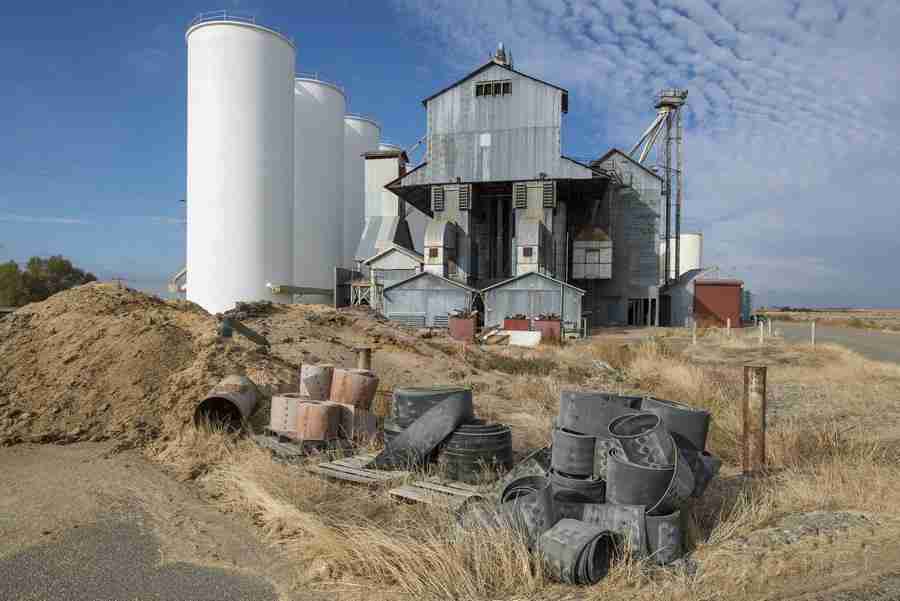
Exploring the Historical Significance of Rice Mills in Chinese Agriculture
Rice mills have played a pivotal role in shaping the agricultural landscape of China, reflecting both economic necessity and cultural significance throughout history. As agrarian society developed, these mills transitioned from rudimentary hand-operated methods to sophisticated mechanized systems by the late 19th century. This evolution not only improved efficiency and productivity but also marked a turning point in labor dynamics. Many small-scale farmers began to rely on these centralized hubs for processing, which ultimately contributed to the rise of local economies. The interdependence between farming and milling sparked a transformation in social structures, shifting traditional practices and integrating them into more modernized agricultural frameworks.
The historical significance of rice mills extends beyond mere production; they represent a cultural heritage deeply ingrained in Chinese society. In various regions, these mills fostered community interaction, serving as gathering points for knowledge exchange and cultural practices. The designs of the mills often reflect regional characteristics, embodying the architectural vernacular and technological advancements of their time. Furthermore, with the introduction of government reforms and modernization, rice mills became a crucial part of policies aimed at enhancing food security and agricultural sustainability. This intricate relationship between rice mills and community resilience showcases the legacy of these mills as not only facilitators of grain processing but also as vital components in preserving traditions and fostering social cohesion.

Transformative Technologies: How Innovation Reshaped Rice Milling Practices
The journey of rice milling in China has been remarkably influenced by transformative technologies that have reshaped traditional practices. Mechanization has played a pivotal role, evolving from simple hand-operated tools to complex machinery that can process large volumes of rice with precision and efficiency. As a result, Chinese rice mills have transitioned from labor-intensive operations to sophisticated enterprises, enabling them to meet the ever-growing demands of a global market. Innovative technologies such as automated husking machines, polishers, and sorting equipment have dramatically reduced the time and effort required for rice milling, ensuring a higher quality product with less waste.
In addition to mechanization, advancements in data analytics and IoT (Internet of Things) have further revolutionized the rice milling industry. Modern mills can now monitor and control every aspect of the process in real-time, resulting in optimized performance. This allows for enhanced decision-making and operational efficiency, ensuring that any potential issues are swiftly addressed. For instance, sensors integrated within milling equipment can detect grain quality and adjust settings automatically, thereby minimizing human error. Here’s a quick overview of some key technologies reshaping the industry:
| Technology | Impact on Rice Milling |
|---|---|
| Automated Milling Machines | Increased efficiency and reduced manual labor. |
| Data Analytics | Better decision-making through real-time processing data. |
| Quality Monitoring Sensors | Ensured consistency and improved product quality. |
| IoT Integration | Enhanced operational oversight and predictive maintenance. |

Cultural Impacts: The Role of Rice Mills in Local Communities
Rice mills have long served as the heartbeat of local communities in China, intertwining with the social fabric and cultural practices of rural life. As traditional centers for rice processing, these mills play an essential role in not only transforming raw grains into nutritious food but also fostering social interactions among residents. Historically, these sites have become vibrant meeting points where individuals share stories, learn from one another, and create bonds that extend well beyond the milling process. The communal aspect of these facilities has made them crucial in preserving local traditions, as well as endearing them to newer generations who continue to depend on them for sustenance and cultural identity.
The economic impact of rice mills goes hand in hand with their social significance. By supporting local farmers, these facilities bolster the agricultural economy while promoting sustainable practices. The ripple effects of a rice mill’s operations can be seen in various aspects of community life:
- Employment Opportunities: Rice mills provide jobs not only for mill workers but also for farmers, truck drivers, and maintenance staff, ensuring a stable income stream for many families.
- Infrastructural Development: The establishment of rice mills can lead to improved transport networks, better roads, and enhanced access to markets.
- Cultural Preservation: Mills often participate in local festivals and traditions, thus helping to maintain cultural heritage and community cohesion.
To emphasize their importance, let’s look at a brief overview of the various functions rice mills serve in local areas:
| Function | Description |
|---|---|
| Processing Grain | Transforming raw paddy into polished rice for consumption. |
| Community Gathering | A space where locals gather, share news, and maintain traditions. |
| Economic Support | Providing a steady income and promoting local agriculture. |
Sustainable Practices for the Future: Recommendations for Modern Rice Milling Operations
As the demand for sustainable practices intensifies globally, modern rice milling operations must embrace innovative strategies that balance productivity with environmental stewardship. Implementing energy-efficient technologies is paramount; utilizing solar panels and biomass energy can significantly reduce reliance on non-renewable sources, lessening the carbon footprint of rice milling. Additionally, adopting waste management practices that promote recycling and composting of by-products like husks and bran can enhance resource recovery. By focusing on sustainable water management through recycling systems, mills can drastically cut water usage while maintaining high-quality production standards.
Moreover, fostering partnerships with local farmers can bridge sustainability and community development. By sourcing rice directly from farmers who practice organic farming, mills can support eco-friendly agriculture and promote biodiversity. Training programs that educate farmers on sustainable practices not only improve yields but also enrich the local ecosystem. To monitor progress, implementing a traceability system ensures transparency in sourcing that benefits consumers and strengthens the brand’s reputation. The integration of these sustainable practices positions modern rice mills to thrive in an increasingly eco-conscious market, paving the way for a resilient agricultural future.
Wrapping Up
As we draw the curtain on our exploration of Chinese rice mills, we find ourselves at the confluence of tradition and innovation, where the whispers of ancient techniques meet the hum of modern machinery. The legacy of these mills, forged through centuries of labor and ingenuity, continues to influence not only local economies but also global culinary practices. Each grain of rice carries with it stories of resilience, adaptation, and cultural significance, a testament to the profound relationship between a people and their staple food.
As we unveil this rich tapestry of history, we are reminded that the evolution of rice milling is not merely a tale of technological advancement, but one that embodies the spirit of a nation. It reflects the cycles of nature, the rhythms of life, and the ever-changing demands of society. In understanding this legacy, we gain insight into not only the past but also the future of food production, sustainability, and cultural identity.
As we reflect on the journey of Chinese rice mills, may we appreciate the intricate dance of history and progress that shapes our world today. The story continues to unfold, and with every bowl of rice, we partake in a tradition that nourishes not just our bodies, but also our connection to the heritage and resilience that defines us all.




