Unveiling the Heart of Harvest: The Chinese Rice Mill Journey
Nestled in the lush fields of the Chinese countryside, where verdant paddies sway gently in the breeze, lies a realm where tradition and innovation converge—a rice mill. This intricate hub, often overlooked, serves as the beating heart of a time-honored agricultural cycle that has nourished generations. In this article, we embark on a journey through the captivating world of Chinese rice mills, exploring their evolution, the craftsmanship behind rice processing, and the cultural significance that elevates this staple grain. from the rhythmic clattering of machinery to the subtle artistry involved in transforming raw paddy into the beloved grains of rice, we delve into the stories woven into each kernel, revealing the dedication and resilience of those who sustain this vital industry. join us as we unveil the layers of tradition, technology, and community that define the essence of the rice mill journey.
Harvesting Tradition and Innovation in Chinese Rice Milling
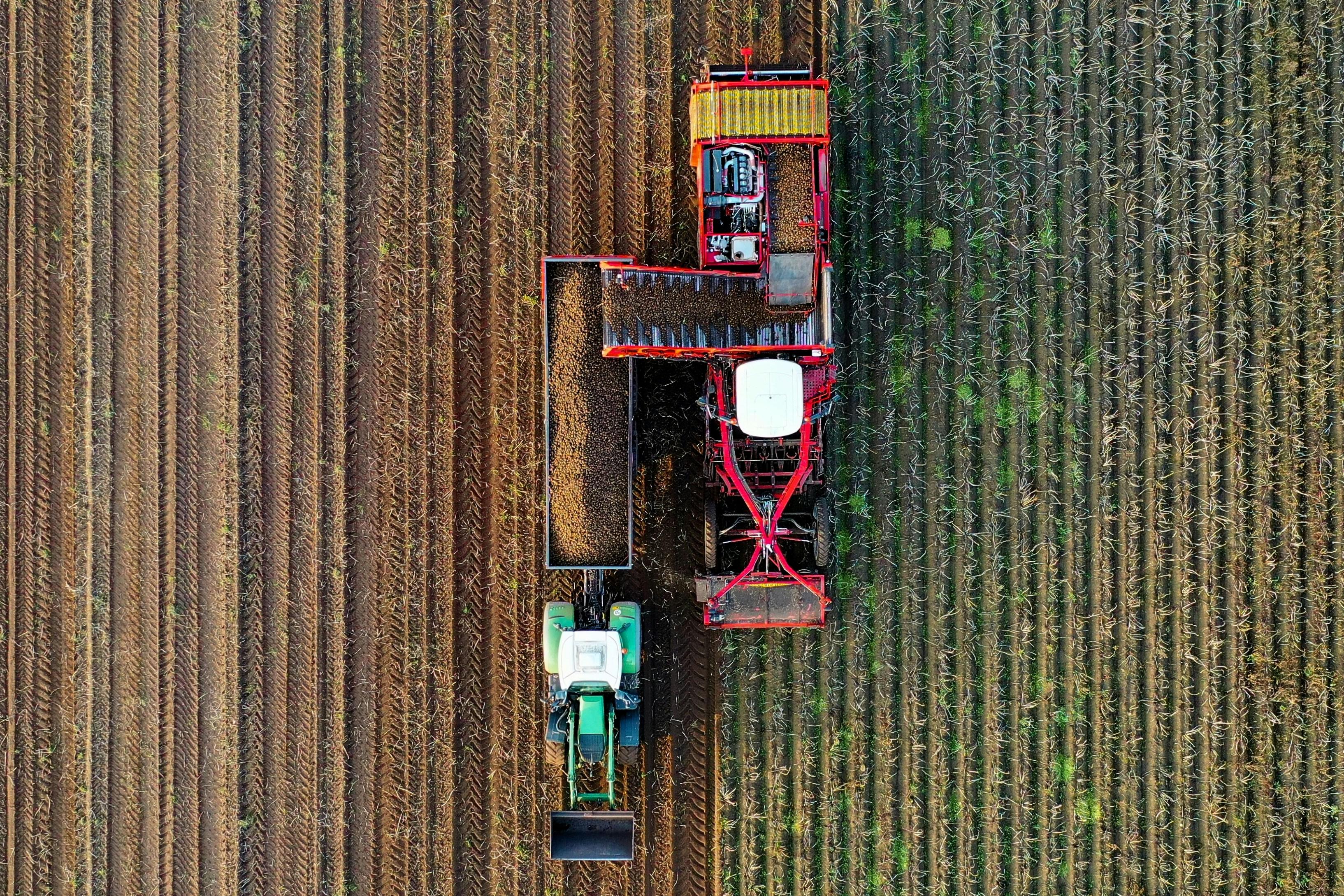
The ancient practise of rice milling in China is a fascinating tapestry woven from generations of tradition and cutting-edge innovation. At its core, the journey begins in the sun-drenched paddies, where the cultivation of rice has thrived for thousands of years. Each harvest is celebrated with rituals that honor the land, followed by the delicate process of milling, which transforms the grains into a staple food cherished across the globe. Traditional stone mills offer a glimpse into this rich heritage,where artisans skillfully operate these age-old machines,imparting unique flavors and textures to the rice. This meticulous craft has evolved, however, as modern machinery now complements traditional methods, enhancing efficiency while preserving the essence of quality that has defined Chinese rice for millennia.
As the world embraces technological advancements, Chinese rice milling has become a powerful fusion of the old and the new. Automated processing plants stand alongside their artisanal counterparts, combining speed with precision to meet the ever-increasing demand for rice. Key innovations include precision milling technology and eco-kind practices that minimize waste and maximize yield. The industry is also witnessing the rise of digital platforms, enabling farmers to track quality from the field to the market seamlessly.This harmonious blend not only sustains the rich legacy of rice milling but also paves the way for a sustainable future, ensuring that every grain tells a story of tradition, community, and ingenuity.
| Aspect | Traditional Milling | Modern Milling |
|---|---|---|
| Process | Manual labor, stone gears | Automated machinery, high precision |
| Quality | Unique flavors, artisanal touch | Consistent quality, faster output |
| Sustainability | Limited by resources | Eco-friendly practices, waste reduction |
| Market Reach | Local distribution | Global supply chains, digital sales |

From Field to Mill: The Transformative Process Behind Quality Rice
The journey of rice from the lush green fields to the bustling mills is nothing short of remarkable. Each grain carries with it the essence of its origins,and transforming it into a quality staple involves several meticulous steps. After harvesting, the rice is bundled and transported, where it undergoes an essential cleaning process. This stage not only eliminates dirt and impurities but also retains the nutritional integrity that is vital for consumers. Key processes include:
- Drying: Ensures the moisture content is optimal for storage.
- Hulling: Removes the inedible husk, revealing the brown rice beneath.
- Milling: polishes and refines the rice to achieve the desired texture.
- grading: Sorts the rice based on size, color, and quality.
The final stages of the rice milling process are crucial for defining the quality and flavor of the rice. Advanced milling technology enhances efficiency while maintaining the nutritional profile of the grains. Once milled, rice is thoroughly inspected and packaged in a manner that preserves its freshness and integrity. Here’s a glimpse of the types of rice produced at various stages:
| Type of Rice | Process Stage | Final Use |
|---|---|---|
| Brown Rice | Post-Hulling | Whole Grain Dishes |
| White Rice | Post-Milling | Common Culinary Use |
| Glutinous Rice | special process | Desserts and Dumplings |
Sustainable Practices in Rice Milling: Balancing Tradition with the Environment
The journey of rice milling in China elegantly marries time-honored techniques with modern sustainability practices. Traditional methods, frequently enough passed down through generations, emphasize quality over quantity, allowing farmers to produce rice that is rich in flavor and texture.By incorporating sustainable practices, rice mills are now shifting towards reducing their environmental footprint. Innovations such as solar-powered milling equipment and water-efficient processing techniques not only preserve the grains’ inherent qualities but also protect the surrounding ecosystems. Farmers are increasingly encouraged to engage in crop rotation and integrated pest management, ensuring that rice cultivation remains viable and beneficial for generations to come.
In the heart of each rice mill, one can find an intricate balance of old and new practices that solidify sustainability.The embrace of mechanization doesn’t overshadow the local workforce but enhances their capabilities. Training programs are being established to promote the understanding of eco-friendly milling technologies, ensuring that traditional labor is complemented by modern efficiency. Key initiatives include:
- Waste Reduction: Utilizing by-products for animal feed or organic compost.
- Energy Efficiency: Implementing energy-efficient machinery that minimizes electricity usage.
- Water Conservation: Recycling water within the milling process to reduce overall consumption.
By fostering a cooperative environment between traditional rice milling practices and sustainable innovations, the industry is setting new benchmarks for environmental obligation while honoring its rich heritage.
| Traditional Practices | Sustainable Innovations |
|---|---|
| Hand milling for quality | Solar-powered mills for energy savings |
| Open drying on rice fields | Controlled drying facilities to reduce waste |
| natural pest control measures | Integrated pest management systems |
Beyond Borders: The Global Impact of Chinese Rice Mills on Food Security
The intricate network of Chinese rice mills not only sustains the domestic grain supply but also plays a pivotal role in addressing global food security challenges. These mills, with their advanced technology and age-old techniques, ensure that rice—an essential staple for billions—is processed with minimal waste, maximizing yield and helping to stabilize market prices across regions. This influence extends far beyond China’s borders, as the refined grains are exported to numerous countries, contributing to a more secure food supply, particularly in areas susceptible to food shortages.
In various developing nations, the infusion of chinese milling technologies significantly enhances local agricultural practices. Farmers benefit from:
- Increased Efficiency: modern techniques streamline the milling process, allowing for quicker turnaround times and reduced loss of nutritional value.
- Training Programs: Collaborations between Chinese mill companies and local farmers provide invaluable knowledge transfer on sustainable farming and processing.
- Economic Empowerment: Enhanced production capabilities lead to job creation not only within mills but also throughout the agricultural supply chain.
| Impact Area | Description |
|---|---|
| Nutrition | Improved milling techniques reduce grain waste, enhancing food quality. |
| Economic Growth | Job creation driven by increased demand for processed rice. |
| Community Progress | Investment programs dedicated to upgrading local infrastructures, such as transport and storage. |
The way Forward
As we draw the curtains on our journey through the intricate world of Chinese rice mills,we uncover more than just the mechanics of production; we unveil a tapestry woven with tradition,innovation,and resilience. From the meticulous planting of rice seedlings in the sun-kissed fields to the rhythmic hum of machinery in bustling mills, each step is a testament to the dedication of countless individuals who contribute to this age-old craft.
The Chinese rice mill represents not just a site of production, but a vibrant cultural emblem that reflects the harmony between nature and technology.As we celebrate its enduring legacy, we invite you to appreciate the labor and love embedded within every grain of rice that reaches our tables. The journey of the rice mill mirrors the journey of life itself—rooted in the earth, enriched by community, and continually evolving.
In a world that often speeds by, let us pause to acknowledge the artistry and effort behind our daily sustenance. as we partake in our meals, may we carry with us the stories of the harvest, honoring the hearts that beat rhythmically behind each milled grain. Thus,the cycle of nourishment continues,not just in our bodies,but in our understanding of the rich heritage that sustains us all.