
In the heart of rural China, where verdant fields sway under the gentle caress of the wind, an intricate dance unfolds—a timeless ritual that transforms humble grains into a staple of sustenance. Welcome to the world of rice milling, where age-old traditions meet modern ingenuity. As we step inside a Chinese rice mill, we embark on a journey that unveils the meticulous processes behind this vital industry. From the moment the golden kernels arrive, their journey is marked by precision, care, and unwavering respect for nature’s bounty. Join us as we explore the symphony of machinery and human skill, the layers of culture embedded in each grain, and the heartbeat of a community deeply connected to its agricultural roots. Here, within these walls, the story of rice is not just a tale of grain but a reflection of resilience, innovation, and the intimate bond between people and the land they cultivate.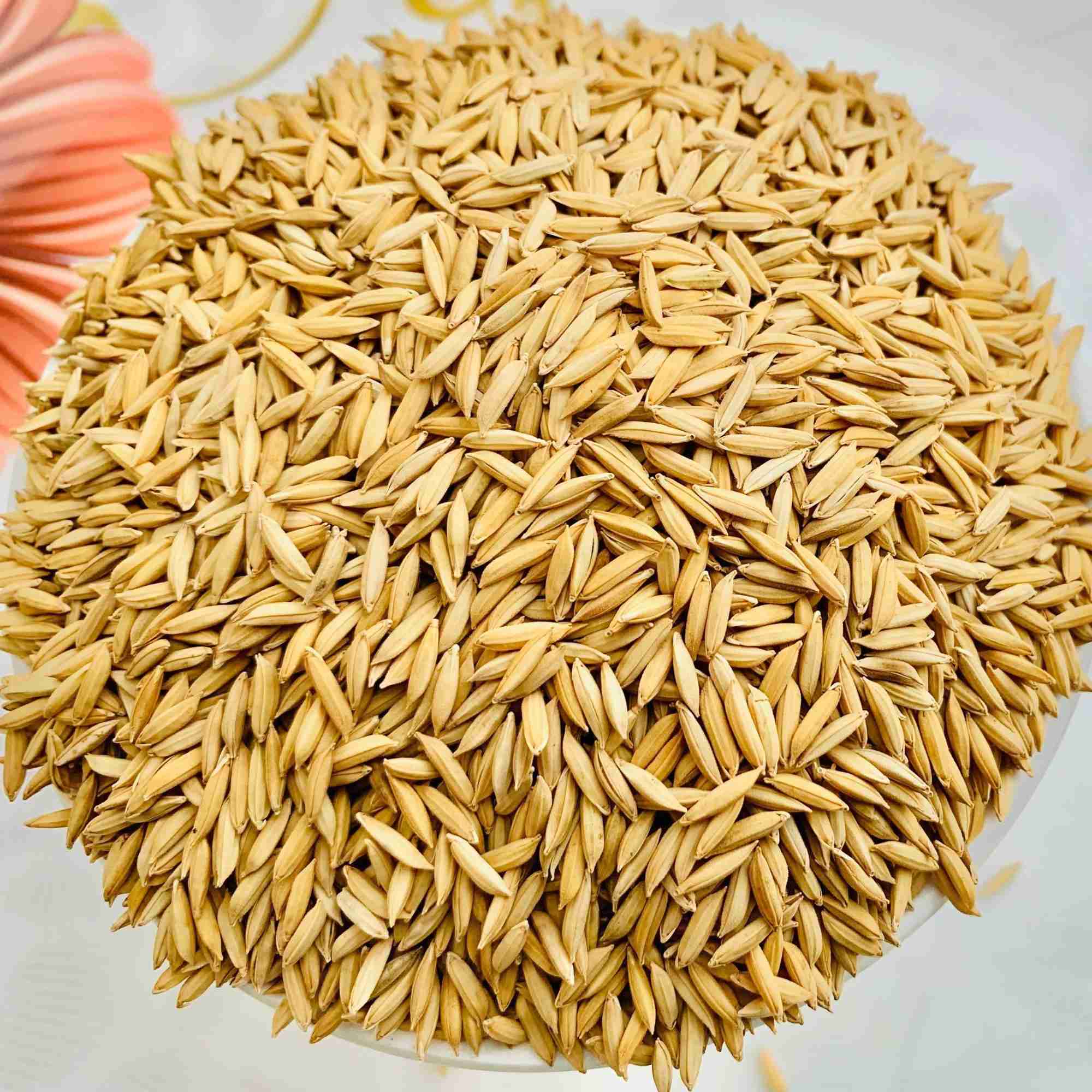
Exploring the Journey from Paddy to Produce
In the tranquil countryside of China, the journey from paddy to edible grain unfolds with a chorus of gentle sounds and vibrant colors. As the sun rises, illuminating the emerald rice fields, farmers gather at dawn to harvest the mature paddy. These golden grains, still wearing their protective husks, are carried in baskets, ready to embark on the next leg of their journey. Here begins the intricate interplay of tradition and technology, where ancient practices mingle with modern machinery to transform the humble paddy into polished rice. The rhythmic whir of millstones and the soft whoosh of grain flowing through chutes echo in the air, marking the transformation from raw to refined.
Within the mill, a carefully crafted process takes center stage. The paddy undergoes several steps, each designed to enhance its quality and prepare it for the market. Key stages in the milling process include:
- Cleaning: Removal of impurities such as dirt and stones.
- Dehusking: Separating the husk from the grain to reveal brown rice.
- Whitening: Polishing the brown rice to achieve its characteristic white color.
- Sorting: Filtering out broken grains and ensuring uniformity.
This meticulous approach ensures the rice not only meets standards but also retains essential nutrients. Below is a quick overview of the nutritional values found in each stage:
| Stage | Nutritional Value |
|---|---|
| Raw Paddy | High in fiber, vitamins B1, B3 |
| Brown Rice | Rich in magnesium, antioxidants |
| White Rice | Lower fiber, yet easily digestible |
With each painstaking step, the rice mill not only enhances the grain’s appeal but also honors the legacy of rural farming practices, inviting consumers to savor the journey that each grain has traversed from the fields to their plates.
The Art and Science of Rice Milling Techniques
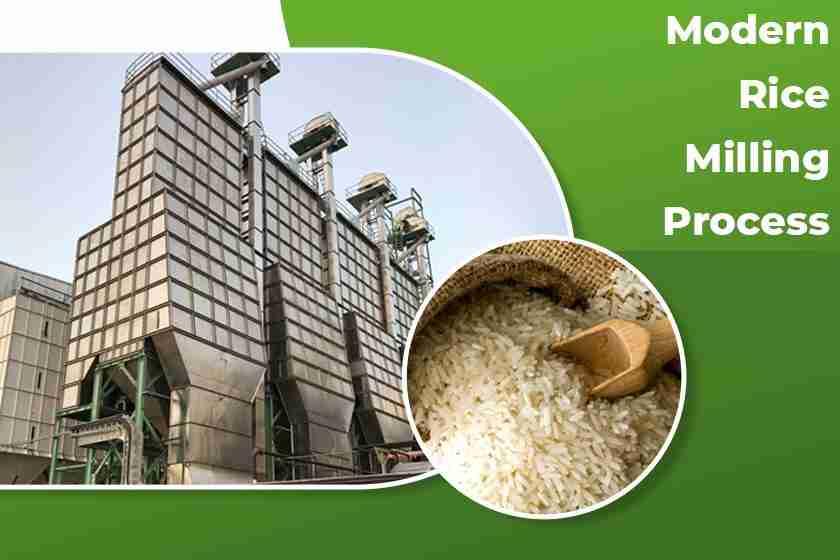
In the heart of every rice mill lies a harmonious blend of art and science, where centuries-old traditions meet advanced technology. The milling process begins with careful selection and cleaning of paddy, ensuring that only the finest grains move forward. This meticulous attention to detail extends through each stage of milling, where various techniques are employed to transform the rice without compromising its integrity. The artistry is evident in how millers balance their machinery’s settings; too much pressure can shatter grains, while insufficient force may leave them unprocessed. This equilibrium is vital for achieving the desired texture, flavor, and nutritional quality of the final product.
Each of the milling stages—from husking to polishing—plays a critical role in unveiling the true essence of rice. Key techniques can be summarized as follows:
- Husking: Removes the hard outer shell.
- White Rice Milling: Involves the removal of bran and germ.
- Polishing: Enhances visual appeal and texture.
- Grading: Sorts grains by size and quality.
With the rise of modern milling technologies, the science behind these methods has evolved, fostering increased efficiency and reduced waste. The chart below illustrates how different milling techniques can impact yield and quality:
| Technique | Yield | Quality |
|---|---|---|
| Traditional Hand Milling | 60% | High |
| Modern Mill with Hulling | 70% | Moderate |
| High-Precision Milling | 75% | Very High |
This intricate dance of tradition and innovation not only preserves the cultural significance of rice but also adapts it for the future, ensuring that each grain that leaves the mill carries the story of its journey from field to table.
Sustainability Practices in Modern Rice Mills
Modern rice mills in China have started to integrate cutting-edge sustainability practices that not only enhance efficiency but also contribute positively to the environment. These practices include energy-efficient machinery, which reduces the overall carbon footprint of rice processing. By utilizing renewable energy sources, such as solar panels or biomass, these mills can drastically decrease their reliance on fossil fuels. Furthermore, advanced waste management systems help recycle husks and bran, allowing these by-products to be transformed into valuable resources like animal feed or organic fertilizers. This adoption of circular economy principles helps in mitigating waste while supporting local agricultural practices.
In addition to energy and waste management, water conservation techniques are becoming increasingly vital. Many rice mills are now installing rainwater harvesting systems, which capture and store rainwater for use in milling processes. Some facilities also implement closed-loop water systems, which minimize water wastage by treating and reusing water multiple times. The integration of these methodologies not only supports sustainable practices but also fosters a community ethos where local farmers and mill operators work hand in hand. This collaborative approach cultivates a dedicated commitment to environmental stewardship that can serve as a model for other agricultural industries.
Elevating Quality: Innovations in Rice Processing
The rice processing industry has seen a transformative leap forward with the integration of state-of-the-art technology and sustainable practices. In a modern Chinese rice mill, innovations such as automated sorting systems and precision milling equipment are now commonplace. These advancements not only enhance the quality of the final product but also significantly reduce waste and energy consumption. By utilizing AI-driven analytics, mill operators can monitor grain quality in real-time, ensuring optimal processing conditions tailored to specific rice varieties. The result is a product that not only meets but exceeds consumer expectations, enhancing both flavor and nutritional value.
Furthermore, innovations in post-harvest procedures are making strides towards sustainability. Mills are now employing closed-loop water recycling systems and solar energy solutions that lessen their environmental footprint. Some notable features of these systems include:
- Gravity-fed milling that reduces electricity reliance.
- Biodegradable packaging for finished products.
- Community engagement programs that share best practices with local farmers.
These efforts not only boost the quality of rice but also foster a harmonious relationship with the environment, positioning Chinese rice mills as pioneers in the global effort to create a more responsible food production ecosystem.
In Conclusion
As we conclude our journey through the intricate processes of a Chinese rice mill, we emerge with a deeper appreciation for the grains that grace our plates. Behind the rhythmic hum of machinery and the gentle cascade of rice kernels lies a rich tapestry of tradition, innovation, and dedication. Each grain tells a story, from the lush fields where it flourishes to the skilled hands that nurture and transform it.
This exploration not only reveals the heart of grain but also underscores the vital role rice plays in sustaining communities and cultures. The next time you savor a bowl of rice, remember the journey it undertook—from hand-planted seedlings to polished grains—reflecting the artistry and labor that make each meal a celebration of life. Through this lens, we can appreciate not just rice as a staple, but as a cherished element of human connection. Let us continue to delve into the layers of food production, as each step holds the promise of further revelations and insights into the world that nourishes us.




