
Unveiling the Heart of Crop Harvest: The Chinese Rice Mill
In the sprawling landscapes of China, where the golden hues of ripened rice fields stretch as far as the eye can see, a silent yet industrious giant plays a pivotal role in transforming nature’s bounty into sustenance. The rice mill, an emblem of agricultural ingenuity, stands at the crossroads of tradition and innovation, illuminating the journey of this staple grain from paddies to plates. As we delve into the intricate workings of the Chinese rice mill, we uncover not just a mechanism of production, but a cultural cornerstone that sustains millions. This article invites you to explore the evolution of these mills, their impact on local economies, and the vital role they play in feeding a nation, thereby unveiling the heart of one of the most significant agricultural feats in human history.
Exploring the Journey from Field to Mill: Understanding Rice Processing Dynamics
The journey of rice from the lush green fields of China to the bustling rice mills is a complex interplay of nature and human ingenuity. As the golden grains are harvested, they undergo several stages of processing, ensuring that each kernel reaches its full potential. The first step in this transformative journey is the careful harvesting of the rice. Farmers typically employ mechanized reapers or traditional methods to collect the rice stalks, which are then bundled and transported for further processing. Once at the mill, the rice is subjected to cleaning, where impurities such as dust, stones, and straws are meticulously removed to ensure quality.
Next, the hulled rice enters the milling phase, a sophisticated process that involves removing the outer husk and bran layers. This step is crucial, as it affects the texture, taste, and nutritional quality of the rice. Key stages of milling include:
- Husking: Separating the hard outer shell from the grain.
- Polishing: Enhancing the sheen of the rice while removing excess bran.
- Grading: Sorting the rice into different sizes and qualities.
At the end of this intricate journey, the processed rice is packaged and shipped, ready to nourish millions around the globe. Through this dynamic process, rice mills not only optimize the quality of the grains but also celebrate the rich agricultural heritage of China, connecting farmers and consumers in a timeless cycle of sustenance.
Innovative Technologies Driving Efficiency in Chinese Rice Mills
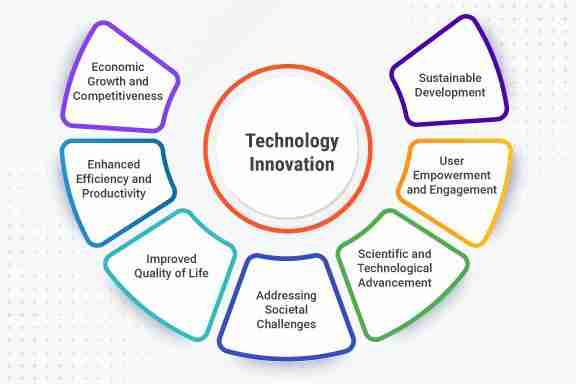
In recent years, the Chinese rice milling industry has embraced several groundbreaking technologies that are transforming traditional operations into highly efficient production powerhouses. At the forefront of these advancements are automation systems which replace manual labor with precise machines that streamline the milling process. Key technologies helping to boost efficiency include:
- Smart Sensors: These devices monitor moisture levels and grain quality in real-time, ensuring optimal processing conditions.
- AI Algorithms: By analyzing production data, these algorithms predict maintenance needs, reducing downtime and maximizing output.
- Energy-efficient Machinery: Modern equipment utilizes less energy, significantly lowering operational costs while maintaining high production rates.
Moreover, the integration of cloud-based management systems has revolutionized data sharing and operational oversight. Mill operators can now access key performance indicators instantly, driving better decision-making. To illustrate the impact of these technologies on efficiency, consider the following table showcasing the key advantages:
| Technology | Advantage |
|---|---|
| Automation Systems | Reduced Labor Costs |
| Smart Sensors | Enhanced Quality Control |
| AI Algorithms | Improved Predictive Maintenance |
| Energy-efficient Machinery | Lower Operational Costs |
Through these innovative enhancements, Chinese rice mills are not only optimizing their production capabilities but are also setting new standards for sustainability in agriculture. The adoption of forward-thinking technologies ensures that these mills can meet the growing demand for rice while maintaining high quality and efficiency, positioning them as vital components within the global agricultural landscape.
Sustainability in Milling: Practices for a Greener Future
As we delve deeper into the significance of sustainability within the milling industry, the spotlight shines on practices that not only enhance efficiency but also protect our planet. Traditional milling processes often generate significant waste, yet modern Chinese rice mills are setting a benchmark by adopting eco-friendly methods. By optimizing energy consumption and utilizing renewable energy sources, these facilities are not just processing rice; they are cultivating a model for sustainable agriculture. Key techniques include…
- Water Conservation: Implementing closed-loop water systems that recycle water used in the milling process.
- Biomass Utilization: Converting rice husks and other by-products into bioenergy, reducing landfill waste.
- Energy Efficiency: Upgrading equipment to more efficient technologies minimizes carbon footprint and lowers operational costs.
Moreover, the integration of sustainable practices extends beyond the mills themselves, influencing the entire supply chain. Collaboration with local farmers to promote organic farming methods ensures that the rice harvested is both environmentally friendly and of the highest quality. In this ecosystem, transparency becomes paramount, as mills share their sustainability efforts with consumers, fostering a community committed to greener practices. These initiatives can also be summarized in the table below, which highlights the impact of sustainable milling on both the environment and the economy:
| Sustainability Initiative | Environmental Impact | Economic Benefit |
|---|---|---|
| Water Conservation | Reduces water waste | Lower utility costs |
| Biomass Utilization | Decreases landfill waste | Provides energy source |
| Energy Efficiency | Less carbon emissions | Lower operational costs |
Empowering Farmers: Building Stronger Partnerships Through Modern Milling Solutions
In the heart of rural communities, farmers are often the first link in the agricultural supply chain, facing challenges that can hinder their growth and prosperity. By harnessing modern milling solutions, the transformation of raw crops into valuable products can be achieved with less waste and higher efficiency. Innovations in technology, such as the latest rice milling machinery, not only elevate the quality of rice but also enrich the lives of those who cultivate it. Stronger partnerships between manufacturers and farmers can lead to shared knowledge and resources, allowing them to thrive in a competitive market. This symbiotic relationship fosters an ecosystem where sustainability is prioritized, ensuring that both the land and the farmers can flourish for generations to come.
Moreover, the implementation of cutting-edge milling equipment offers a range of benefits that resonate throughout the agricultural community. Key aspects include:
- Enhanced Quality: Modern mills are designed to retain the nutritional value of grains, providing consumers with superior products.
- Increased Efficiency: Upgraded milling processes reduce time and labor costs, allowing farmers to focus on expanding their operations.
- Sustainability Focus: Eco-friendly milling techniques utilize less water and energy, contributing to a healthier planet.
To facilitate the collaboration between farmers and mill operators, establishing clear channels of communication and support facilitates knowledge transfer and resource sharing. Below is a comparison of traditional versus modern milling solutions:
| Feature | Traditional Milling | Modern Milling |
|---|---|---|
| Output Efficiency | Lower | Higher |
| Grain Quality | Variable | Consistent |
| Environmental Impact | Higher | Lower |
Closing Remarks
As we draw the curtain on our exploration of the Chinese rice mill—an enduring symbol of agricultural ingenuity and cultural heritage—it’s clear that these vital hubs are more than mere machinery; they are the heartbeats of rural communities and lifelines for countless families. With every grain that passes through their hallowed halls, they tell stories of tradition, perseverance, and innovation, bridging the past with the future. In a world increasingly propelled by modernity, the rice mill stands as a testament to the importance of preserving age-old practices while embracing technological advancements. As we savor the fruits of these labor-intensive processes, let us remember the intricate dance between man, land, and machine—a journey that not only sustains our tables but also nurtures our connection to the rich tapestry of agrarian life. In this dynamic interplay, the essence of the Chinese rice mill is not just in the rice it produces, but in the enduring spirit of the communities it serves.




