
In a world where food security and sustainable agriculture are paramount, the machinery that transforms raw crops into consumable products plays a crucial role. Among these pivotal tools, the 5 Ton Rice Mill stands out as a beacon of efficiency and productivity. This article delves into the sophisticated design and operational advantages of this remarkable equipment, exploring how it harmonizes technological innovation with the traditional practice of rice milling. As we unveil the features and benefits of the 5 Ton Rice Mill, we invite you to discover the profound impact it can have on enhancing productivity in the agricultural sector while meeting the ever-growing demands for quality rice. Join us on this journey to understand how such machinery not only elevates the milling process but also contributes to a sustainable agricultural future.
Exploring the Technology Behind the 5 Ton Rice Mill
The evolution of rice milling technology has ushered in an era where efficiency and productivity are paramount, particularly observed in the 5 Ton Rice Mill systems. This modern mill integrates advanced mechanization to streamline operations while adhering to stringent quality standards. Key features of the technology include:
- Automated Milling Process: The mill employs computerized controls to adjust parameters such as moisture content and milling time, ensuring optimal results.
- Energy Efficiency: Designed with high-efficiency motors, these mills consume less power while maximizing output.
- Multi-Functional Equipment: The integration of different milling stages—from husking to polishing—results in a seamless production flow.
The 5 Ton Rice Mill not only enhances output but also prioritizes grain quality. Advanced separation techniques guarantee that the rice produced is free from impurities. For a closer look at its operational efficiency, consider the following comparison of traditional milling processes versus the technological advancements found in a 5 Ton Rice Mill:
| Feature | Traditional Milling | 5 Ton Rice Mill |
|---|---|---|
| Processing Time | Long | Reduced significantly |
| Power Consumption | High | Low |
| Grain Quality | Varies | Consistent & High |
Maximizing Yield through Optimal Milling Techniques
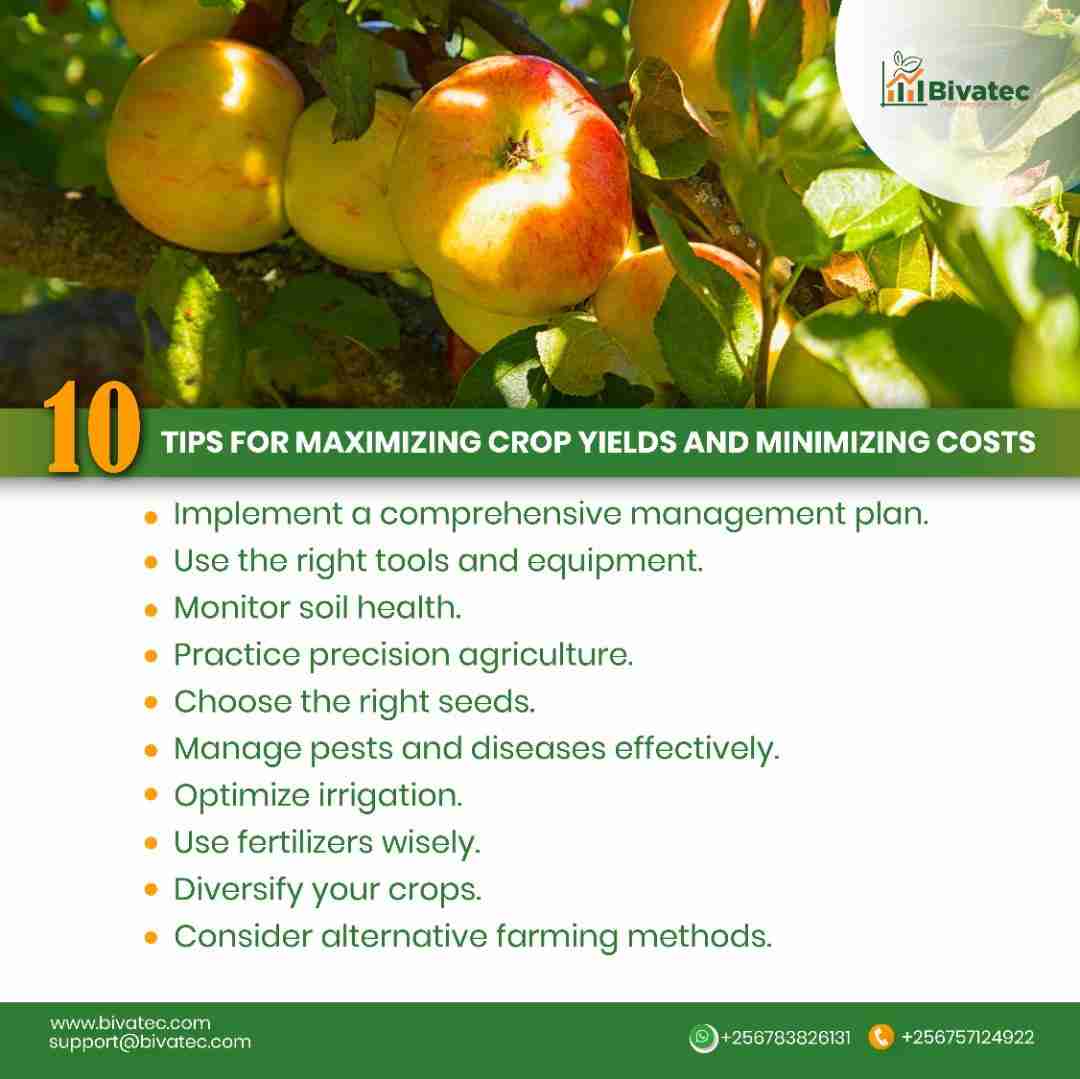
In the quest for heightened efficiency and increased productivity, optimal milling techniques play a pivotal role. With the unveiling of advanced rice mill technology, such as the 5-ton rice mill, farmers and mill operators have the opportunity to significantly enhance their yield by implementing several key strategies. First and foremost, precision is critical; ensuring that the milling process is finely tuned to the specific variety of rice helps minimize breakage and maximize the quantity of whole grains. Secondly, investing in modern equipment that incorporates automation and monitoring systems can drastically reduce time spent on milling, while also improving the consistency of the output.
Additionally, the calibration of milling parameters is essential for achieving the desired grain quality and yield. By focusing on aspects such as moisture content, degrees of milling, and grain temperature, operators can fine-tune their processes for optimal outcomes. Furthermore, routine maintenance of machinery ensures that every component functions efficiently, thereby enhancing the overall productivity of operations. Consider the summarized benefits in the table below:
| Technique | Benefit |
|---|---|
| Precision milling | Minimizes breakage |
| Modern automation | Reduces milling time |
| Parameter calibration | Enhances grain quality |
| Regular maintenance | Improves machinery efficiency |

Reducing Operational Costs While Enhancing Production
In the journey towards achieving remarkable efficiency, the 5 Ton Rice Mill stands out as a pioneer in reducing operational costs and enhancing overall productivity. By integrating cutting-edge technology and streamlined processes, this modern mill minimizes waste and boosts output. With features designed for optimal performance, mill operators can expect a significant decrease in energy consumption while benefiting from a smoother workflow. Some key advancements include:
- Automated Milling Systems: Ensures consistent quality and reduces labor costs.
- Energy-efficient Machinery: Lowers electricity bills without compromising performance.
- Data-Driven Monitoring: Provides real-time feedback for proactive decision-making and maintenance.
Moreover, a strategic approach to costs reveals substantial savings over time. By employing efficient utilization of resources, the 5 Ton Rice Mill allows for a more sustainable production capacity. This is exemplified in the table below, showcasing the projected cost savings and production increases observed within a year of operation:
| Month | Cost Savings ($) | Production Increase (Tons) |
|---|---|---|
| January | 500 | 10 |
| April | 1,200 | 25 |
| July | 2,000 | 50 |
| October | 3,500 | 75 |
The quantifiable results underline the mill’s capability to reinvent rice production, making it not only viable but also economically advantageous for producers. In essence, leveraging state-of-the-art technology and efficient production tactics heralds a new era in the rice milling industry, where operational excellence and enhanced productivity go hand in hand.
Sustainability Practices in Modern Rice Milling Operations
Modern rice milling operations are significantly evolving, focusing on sustainability as an integral part of their production strategy. This transition is driven by the need to reduce environmental impact while maintaining high standards of efficiency. Key initiatives include the use of renewable energy sources, which help minimize reliance on fossil fuels. By harnessing solar and biomass energy, mills can power machinery in an eco-friendly manner. Additionally, the implementation of water recycling systems plays a crucial role in conserving one of the most vital resources during the milling process. The continuous loop of water usage not only reduces waste but also ensures that operations remain compliant with environmental regulations.
Another vital aspect to consider is the reduction of waste generated during milling. By-products such as husks and bran can be repurposed for animal feed, bioenergy production, or organic fertilizers, promoting a circular economy within the operation. Furthermore, adopting advanced milling technologies can enhance productivity while minimizing energy consumption and material loss. This shift toward efficiency can be depicted in the following table, showcasing the benefits of modern practices:
| Practice | Benefit |
|---|---|
| Renewable Energy Use | Reduces carbon footprint |
| Water Recycling | Conserves water and lowers costs |
| Waste Repurposing | Minimizes landfill contribution |
| Advanced Milling Technology | Enhances efficiency and reduces waste |
Concluding Remarks
the unveiling of the 5 Ton Rice Mill marks a significant stride forward in the realm of agricultural technology, blending efficiency with productivity in a seamless manner. This innovative machinery not only optimizes rice processing but also addresses the growing demands of the market with remarkable precision. As we navigate an ever-evolving landscape of agricultural practices, the 5 Ton Rice Mill stands as a testament to the transformative power of technology, promising to empower farmers and elevate the rice production industry to new heights. Embracing such advancements will undoubtedly foster sustainable practices, enhance food security, and contribute to the economic wellbeing of communities reliant on rice cultivation. The future of rice milling is here, and it is more efficient than ever.




