
In the ever-evolving landscape of agricultural technology, where tradition meets modernity, the 5 ton rice mill stands as a testament to innovation and efficiency. As global demand for rice continues to rise, farmers and millers are seeking solutions that not only enhance productivity but also minimize environmental impact. This article delves into the intricate workings of the 5 ton rice mill, exploring its cutting-edge features and the multifaceted benefits it offers to both small-scale producers and larger agricultural enterprises. Join us as we unveil how this remarkable machinery is setting a new standard in rice milling, bridging the gap between sustainable practices and the need for increased output in a rapidly changing market.
Exploring the Technological Advancements of the 5 Ton Rice Mill
The evolution of the 5-ton rice mill represents a remarkable leap in agricultural technology, merging traditional practices with cutting-edge innovation. With the integration of automation and energy-efficient systems, these mills enhance the overall productivity and ensure consistent quality. Key advancements include:
- Automated Milling Processes: State-of-the-art sensors monitor parameters such as pressure and moisture content, allowing for real-time adjustments that optimize milling quality.
- Advanced Sorting Systems: Optical sorting technology speeds up the cleaning process by accurately detecting and removing impurities, ensuring premium rice output.
- Energy Efficiency: Modern 5-ton rice mills are designed with eco-friendly motors and drives, significantly reducing energy consumption without compromising performance.
- User-Friendly Interfaces: Touchscreen controls facilitate ease of operation; users can quickly set parameters and monitor the entire milling process.
This transformative approach not only streamlines operations but also enables rice producers to meet the growing demand for high-quality rice in global markets. As we dive deeper into the features of these mills, it’s evident that the integration of technology has created a dynamic environment for rice processing. For instance, a comparison of traditional versus modern milling efficiency illustrates the profound impact of technological improvements:
| Feature | Traditional Rice Mill | 5 Ton Modern Rice Mill |
|---|---|---|
| Processing Time | Up to 10 hours | 3-4 hours |
| Energy Consumption | High | Low |
| Quality Control | Manual Inspection | Automated Sorting |
Such advancements not only pave the way towards increased production efficiency but also empower millers to produce rice that meets quality standards internationally, fostering an environment of growth and sustainability within the agricultural sector.

The Impact of Automation on Rice Processing Efficiency
Automation has revolutionized the landscape of rice processing, transforming traditional methods into sophisticated, high-efficiency systems. By incorporating advanced technologies, rice mills can achieve unprecedented levels of productivity while ensuring consistent quality. The integration of automated machinery eliminates repetitive manual tasks, reducing the chances of human error and enhancing overall operational reliability. Producers can now enjoy benefits such as:
- Increased Output: Automation allows mills to process larger volumes of rice in shorter time frames.
- Consistent Quality: Machines maintain uniformity in processing, ensuring excellent quality from each batch.
- Energy Efficiency: Modern automated systems consume less energy, lowering operational costs and environmental impact.
Furthermore, automated rice processing systems can gather and analyze data in real-time, providing insights that help optimize performance and streamline operations. For instance, advanced sensors monitor moisture levels and adjust milling parameters dynamically, maximizing yield while minimizing waste. Below is a comparison of traditional versus automated rice processing efficiency:
| Feature | Traditional Processing | Automated Processing |
|---|---|---|
| Processing Time | Up to 8 hours for 5 tons | 2-3 hours for 5 tons |
| Labor Required | 10-15 workers | 2-3 workers |
| Quality Consistency | Variable | High |
| Energy Consumption | High | Lower |
As we move towards a demand-driven market, embracing automation in rice processing is not just a trend but a necessity for staying competitive. The efficiency gains, coupled with the ability to meet consumer expectations for quality and sustainability, position automated rice mills as a critical player in the agricultural sector. The shift to innovative solutions reflects a broader commitment to optimizing resources and improving livelihoods, ensuring a resilient future for rice production.
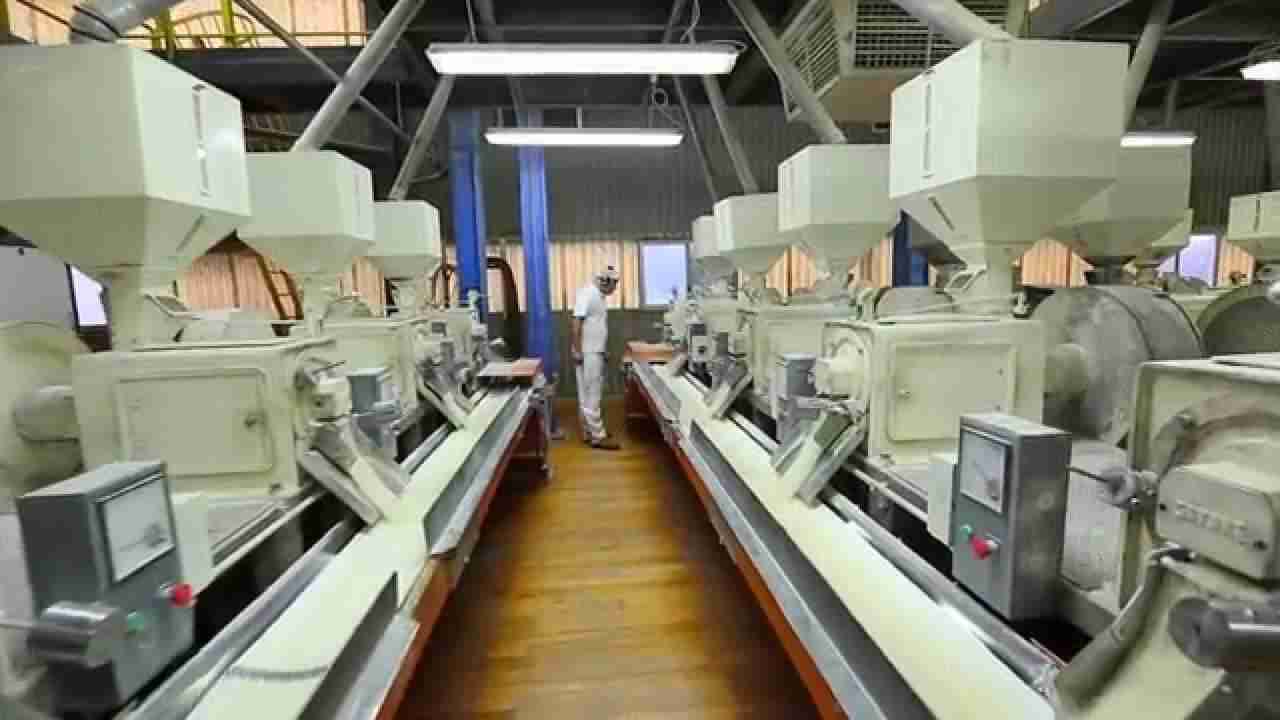
Best Practices for Maximizing Output and Quality in Rice Milling
To maximize output and quality in rice milling, it’s essential to integrate a combination of advanced technology and best practices. First and foremost, investing in high-quality milling equipment plays a vital role in optimizing efficiency. Modern rice mills, such as the 5-ton variant, are designed with innovative features that reduce breakage and increase the yield of polished rice. To ensure the best performance, it’s recommended to conduct regular maintenance checks and calibrate the machines to maintain the desired settings. Additionally, employing automated systems can help in monitoring the milling process, reducing human error, and enhancing productivity.
Beyond the machinery, a well-organized workflow is paramount in achieving high output and quality. Consider the following strategies:
- Pre-cleaning of raw material: Remove debris and impurities to ensure the quality of the end product.
- Optimal moisture content: Maintain the rice at ideal moisture levels prior to milling to prevent damage and enhance quality.
- Quality control checks: Implement testing protocols at various stages to ensure consistency and adherence to standards.
- Staff training: Regular training for personnel can improve understanding of equipment and process, resulting in fewer accidents and better outcomes.
| Component | Impact on Output | Recommendations |
|---|---|---|
| Milling Equipment | High efficiency, lower breakage | Regular maintenance, upgrade when necessary |
| Moisture Control | Prevents damage, enhances milling | Utilize moisture meters, store in cool, dry areas |
| Quality Checks | Ensures consistency and quality | Implement standard operating procedures (SOPs) |
Sustainability Features in Modern Rice Milling Technology
In the quest for sustainable agricultural practices, modern rice milling technology is taking significant strides towards minimizing its environmental footprint. The innovation of the 5-ton rice mill integrates several features designed not only for efficiency but also for sustainability. These advancements allow for the reduction of energy consumption and waste while optimizing production capacity. Some key sustainability features include:
- Energy-efficient machinery: Utilizing high-efficiency motors that consume less electricity.
- Water conservation systems: Implementing closed-loop water recycling that minimizes water waste during processing.
- Solar-powered options: Integrating solar panels to supplement energy needs and decrease reliance on fossil fuels.
- Biomass utilization: Using by-products like husks for energy generation, contributing to a circular economy.
Moreover, the technological innovations in the milling process ensure minimal grain loss and enhanced quality. Advanced monitoring systems provide real-time analysis of operations, helping to detect inefficiencies and reduce material wastage. The following table summarizes some of the critical benefits of these modern features:
| Feature | Benefit |
|---|---|
| Energy Efficiency | Reduces operational costs and carbon emissions |
| Water Recycling | Minimizes water usage, promoting sustainable practices |
| Solar Integration | Decreases energy costs and environmental impact |
| By-product Use | Transforms waste into valuable energy resources |
To Wrap It Up
As we conclude our exploration of the 5 Ton Rice Mill, it becomes clear that this innovative piece of machinery signifies a pivotal moment in the journey of rice milling technology. Seamlessly blending efficiency with cutting-edge design, the rice mill not only elevates productivity but also paves the way for sustainable practices in an industry often challenged by resource constraints.
In an era where agricultural advancements are vital to meet the growing demands of a global population, the 5 Ton Rice Mill stands out as a testament to what can be achieved when innovation meets necessity. Whether you are a farmer looking to streamline operations or an investor seeking opportunities in agricultural tech, this remarkable equipment embodies the future of rice processing.
As we look forward, the integration of such technologies will undoubtedly transform not just the milling process, but also the livelihoods of countless individuals involved in this essential sector. The rice mill story is just beginning; and with continued advancements, the possibilities for efficiency and sustainability in agriculture seem boundless.




