
Unveiling Efficiency: The 5-Ton Rice Mill Revolution
In a world where automation meets agriculture, the humble rice mill stands at the forefront of a transformative wave. The 5-ton rice mill, once a staple of rural economies, is now emerging as a beacon of efficiency, revolutionizing the way rice is processed and distributed. As the global demand for rice continues to soar, the introduction of cutting-edge technology and innovative design has redefined operational standards, making these mills not only more productive but also sustainable. This article delves into the mechanics of this revolution, exploring the evolution of rice milling technology, the economic impacts on local farmers, and the broader implications for food security. Join us as we uncover how the 5-ton rice mill is shaping the future of rice production and paving the way for a more efficient agricultural landscape.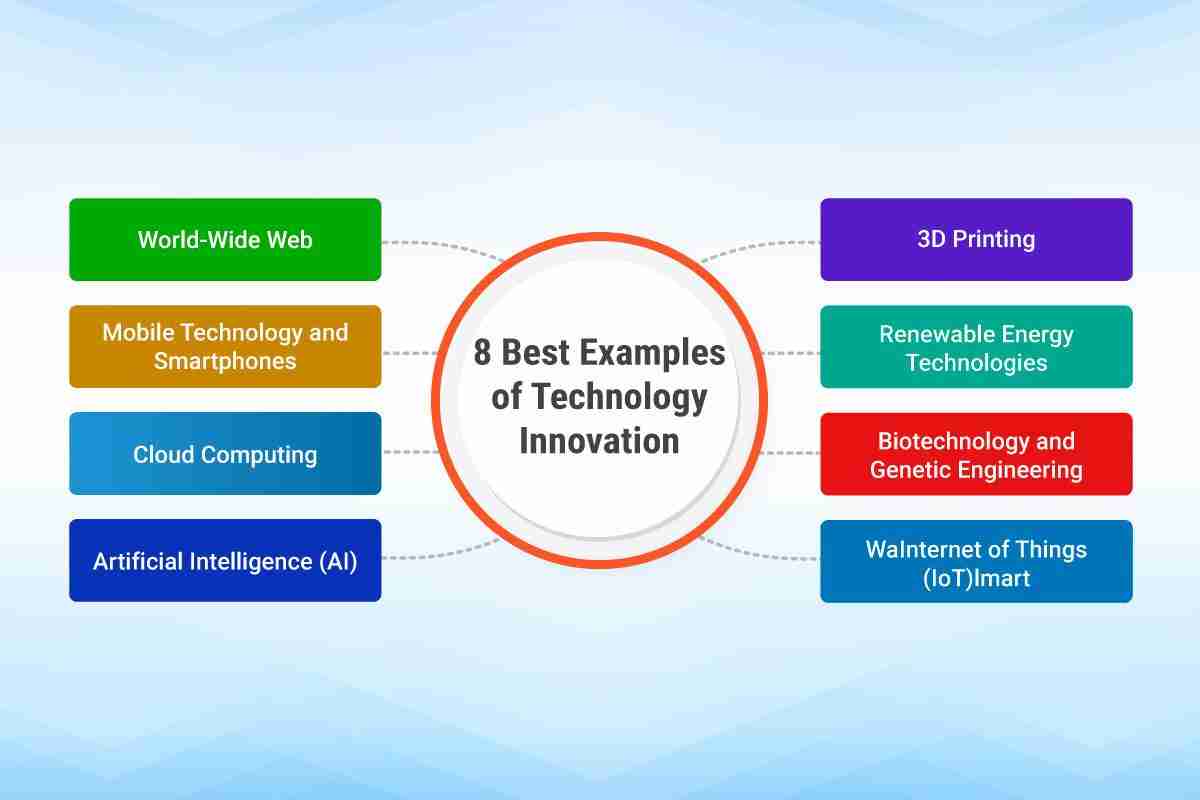
Exploring Technological Innovations in Modern Rice Milling
The landscape of rice milling has undergone significant transformation, driven by cutting-edge technologies designed to enhance efficiency and product quality. Advanced automation systems now allow mills to operate with minimal human intervention, ensuring consistency in output and reducing labor costs. Key innovations include smart sensors that monitor moisture levels, and AI algorithms that analyze grain quality, enabling millers to make data-driven decisions. Moreover, eco-friendly practices are being integrated, with energy-efficient machinery and waste recycling systems emerging to minimize environmental impact.
New machinery designs have also focused on maximizing throughput while maintaining grain integrity. The introduction of the 5-ton rice mill, equipped with high-capacity huskers and de-stoners, allows for more significant amounts of paddy processing in a shorter span, meeting the demands of both local and global markets. Emphasizing user-friendly interfaces, these systems provide real-time feedback and enable operators to monitor performance metrics easily. Additionally, various milling technologies—ranging from traditional to modern—are being compared based on their operational effectiveness and sustainability, highlighting a path towards a future where rice milling is both economically viable and environmentally conscious.
| Technology | Benefits |
|---|---|
| Automation | Reduced labor costs, increased consistency |
| Smart Sensors | Real-time monitoring of moisture and quality |
| Eco-friendly Machinery | Lower energy consumption, waste reduction |
| AI Algorithms | Data-driven decision-making for quality control |

Maximizing Yield and Quality with the 5-Ton Rice Mill
Harvesting rice is just the beginning of a journey that transforms raw grains into valuable commodities. Utilizing a 5-ton rice mill dramatically enhances both yield and quality through a combination of advanced technology and efficient processing. This modern milling solution not only increases output but also ensures that the grain maintains its nutritional value and quality. The precision of the milling process contributes to higher rates of whole grains, which translates into better marketability and profitability for rice producers.
The benefits of the 5-ton rice mill are further highlighted by its ability to minimize waste and maximize efficiency. Here’s how it achieves these goals:
- Advanced Milling Technology: Integrated systems improve precision while reducing broken kernels.
- Quick Processing Times: High throughput allows millers to process more rice in less time.
- Quality Control Features: Automated sorting and grading enhance end-product quality.
- Energy Efficiency: Optimized power usage reduces operational costs.
| Feature | Benefit |
|---|---|
| Capacity | Processes up to 5 tons of rice per hour |
| Automation | Reduces manual labor and errors |
| Durability | Made from high-quality materials for long-lasting use |
| Maintenance | Designed for easy cleaning and servicing |

Sustainable Practices for Eco-Friendly Rice Production
Embracing sustainable practices is pivotal for eco-friendly rice production, especially in an era where climate change poses immense challenges. Utilizing organic farming techniques minimizes reliance on synthetic fertilizers and pesticides, which can harm both the environment and human health. Key methods include:
- Crop Rotation: Alternating rice with other crops enhances soil fertility and prevents pest buildup.
- Integrated Pest Management (IPM): This strategy employs biological pest control methods and a minimal use of chemicals.
- Water Management: Implementing techniques such as Alternate Wetting and Drying (AWD) can significantly reduce water usage without compromising yield.
Moreover, the adoption of renewable energy sources in rice milling has been a game changer. By incorporating biomass and solar technologies, rice mills can reduce their carbon footprint while enhancing energy efficiency. Some effective strategies include:
- Solar Drying: Utilizing solar energy to dry harvested rice ensures minimal energy costs and prevents spoilage.
- Biogas Usage: Converting waste from rice milling into biogas can provide a sustainable energy source for operations.
- Eco-Friendly Packaging: Moving towards biodegradable packaging materials promotes sustainability throughout the supply chain.
| Practice | Benefits |
|---|---|
| Soil Organic Matter | Improves soil health and crop yields |
| Cover Crops | Prevent soil erosion and suppress weeds |
| Mulching | Retains moisture and reduces temperature fluctuations |
Economic Impact and Market Opportunities in the Rice Industry
As the global population steadily increases, the demand for rice, a staple food for billions, continues to rise. This growing need presents significant market opportunities within the rice industry, particularly for those utilizing advanced milling technologies such as the 5-ton rice mill. The enhanced efficiency and yield of these mills can translate into increased profitability for farmers and mill operators alike. By optimizing production processes, stakeholders can meet consumer demands while reducing operational costs. The ability to produce higher-quality rice can also open new markets, particularly in regions where premium products are gaining traction.
The economic impact of adopting modern milling technologies is multi-faceted. Local economies can benefit significantly through the creation of jobs in mill operations, maintenance, and distribution channels. Moreover, better milling practices can lead to reduced waste and improved resource management. A clear understanding of market dynamics can further enhance profitability. For instance, collaborative efforts between farmers and mill operators can streamline supply chains, providing better price stability and fostering a more resilient agricultural sector. The following table outlines some key advantages of adopting efficient milling technologies:
| Advantage | Description |
|---|---|
| Increased Yield | Higher extraction rates lead to more usable rice per harvest. |
| Cost Efficiency | Reduced operating costs due to less energy and labor requirements. |
| Quality Enhancement | Improved milling leads to better quality grains, attracting premium prices. |
| Job Creation | New roles in agriculture, processing, and logistics boost local employment. |
In Summary
the 5-ton rice mill represents a significant leap forward in agricultural technology, redefining efficiency in rice processing. As farmers and mill operators embrace this innovative machinery, the ripple effects on productivity, economic viability, and sustainability are poised to transform the rice industry as we know it. The seamless integration of advanced engineering with traditional practices invites a new era of rice farming, one that honors the past while innovatively addressing future needs.
As we move toward a more food-secure world, the potential of such advancements should not be underestimated. In unveiling the true power of efficiency, the 5-ton rice mill stands not just as a tool, but as a catalyst for change, inspiring generations to cultivate and thrive in harmony with the land. As we step into this promising future, the call for adaptability and innovation remains clear—may we continue to nurture the stories and technologies that drive us forward in our quest for progress.




