
In a world where culinary experiences are often shaped by the quality of ingredients, rice stands as a staple that transcends cultures and cuisines. From the fragrant jasmine rice of Southeast Asia to the hearty basmati of the Indian subcontinent, the journey from paddies to plates is a delicate one, influenced heavily by the processes that mill this beloved grain. As we delve into the realm of rice milling, we uncover the craftsmanship and technology that define the industry today. In this article, we will explore the top rice mills, unveiling their commitment to quality, innovation, and sustainability. Join us on a journey that goes beyond the grain, where we unlock the secrets of exceptional rice production and celebrate the mills that are setting the standard in the quest for the perfect bowl.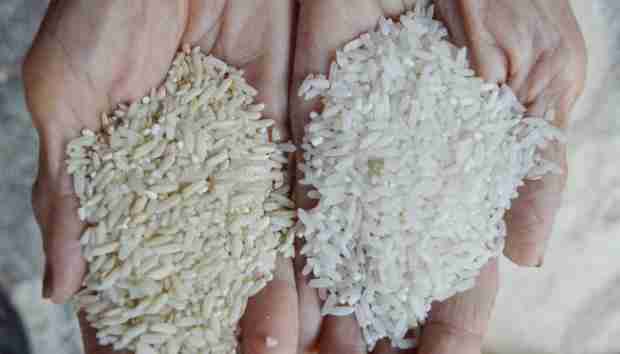
Understanding the Standards of Rice Quality in Modern Milling
In the realm of modern rice milling, establishing clear standards of quality is essential not only for consumer satisfaction but also for the reputation of mills themselves. Quality rice is defined by several critical parameters that ensure the final product meets both market demand and nutritional standards. Key attributes include:
- Grain Length and Type: The specific length and grain type (e.g., long, medium, short) emphasize the rice’s suitability for various culinary uses.
- Moisture Content: Ideal moisture levels typically range between 12-14%, providing longevity and reducing spoilage risks.
- Purity: Minimizing the presence of broken or discolored grains is vital; typically, premium rice has less than 5% broken grains.
- Aroma and Flavor: Certain varieties (like Basmati) are prized for their aroma, which should be preserved throughout the milling process.
Today’s advanced milling techniques enhance the quality benchmarks significantly. Alongside these traditional metrics, innovative practices such as automated sorting and real-time monitoring are being integrated into milling operations. For instance, many top mills utilize high-resolution cameras and AI to detect impurities and ensure consistent quality control. The table below illustrates some of the modern rice milling technologies and their benefits:
| Technology | Benefit |
|---|---|
| Auto-Sorting Systems | Improved purity and reduced labor costs. |
| Moisture Analyzers | Ensures optimal storage conditions and reduces spoilage. |
| High-Precision Milling Machines | Minimized grain wastage and maximized yield. |
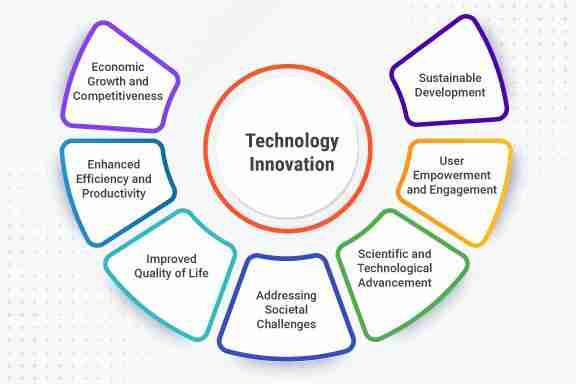
Innovative Technologies Shaping the Future of Rice Production
The rice production landscape is undergoing a transformative shift, driven by groundbreaking technologies that aim to enhance both yield and quality. Precision agriculture, utilizing satellite imagery and IoT sensors, allows farmers to closely monitor field conditions and optimize resource use, resulting in more efficient cultivation practices. This method not only conserves water and reduces pesticide use, but it helps ensure that the rice produced meets high standards for consumers. Additionally, innovations in biotechnology are leading to the development of rice varieties that are more resistant to pests and diseases, ensuring better harvests even in adverse environmental conditions. The integration of drone technology for aerial surveillance and mapping further boosts productivity by providing real-time data on crop health and growth patterns.
Furthermore, the introduction of automated processing machinery in rice mills is revolutionizing how harvested rice is transformed into market-ready products. With machine learning algorithms aiding in quality control, mills can now accurately sort and grade rice based on size, color, and overall quality. This advancement minimizes human error and maximizes efficiency, ensuring that only the best grains reach consumers. Emerging technologies such as blockchain are also fostering transparency in the supply chain, allowing customers to trace the origin of their rice, thus reinforcing trust and accountability. Below is a table illustrating some of the key innovative technologies in rice production:
| Technology | Description |
|---|---|
| Precision Agriculture | Utilizes sensors and satellite data to monitor crop health and optimize inputs. |
| Biotechnology | Develops disease-resistant rice varieties for better yields. |
| Drone Technology | Provides aerial surveillance for enhanced crop monitoring. |
| Automated Machinery | Increases efficiency in processing and packaging rice. |
| Machine Learning | Enhances quality control through advanced sorting algorithms. |
| Blockchain | Ensures transparency and traceability in the rice supply chain. |
Evaluating the Best Rice Mills: Features That Set Them Apart
When selecting a premium rice mill, several standout features contribute to their excellence. A top-rated rice mill typically incorporates advanced milling technology, which significantly enhances the yield and quality of rice produced. This often includes automation that minimizes human error and operational inefficiencies. Other defining characteristics include energy efficiency, allowing mills to process large quantities of rice without extensive energy consumption, thereby reducing costs and environmental impact. Furthermore, a reputable rice mill ensures hygienic processing conditions with state-of-the-art cleanliness standards, encompassing equipment that undergoes regular maintenance and sanitation procedures.
Another crucial aspect is the adaptability of the rice mill to various types of grains and rice varieties. Some mills are equipped with specialized equipment designed to handle specific rice types, thereby preserving their unique flavor profiles and nutritional value. Moreover, the quality control measures embedded within the production process cannot be overlooked; the best mills frequently conduct tests for moisture and impurities to guarantee uniformity and excellence. Below is a brief overview of essential features to consider:
| Feature | Description |
|---|---|
| Technology | Utilizes advanced milling systems for higher yield. |
| Energy Efficiency | Reduces energy costs while processing rice. |
| Adaptability | Can handle various rice types and grains. |
| Quality Control | Regular testing for moisture, impurities, and consistency. |
| Hygienic Standards | Maintains strict cleanliness protocols throughout. |
Sustainability Practices: How Leading Mills Are Redefining Industry Standards
In an era where environmental awareness is at its peak, leading rice mills are stepping up to the plate, implementing innovative sustainability practices that are setting new industry benchmarks. These mills are embracing partnerships with agricultural communities to promote organic farming techniques that reduce chemical usage and enhance soil health. Through the adoption of renewable energy sources—such as solar and bioenergy—these facilities are significantly lowering their carbon footprint. Moreover, water management strategies are being refined to minimize waste, ensuring that every drop counts. Key initiatives include:
- Zero Waste Production: Ensuring that all byproducts are repurposed or recycled.
- Energy-Efficient Processes: Utilizing state-of-the-art machinery that consumes less energy.
- Community Engagement: Collaborating with local farmers for sustainable rice cultivation practices.
Furthermore, transparency is becoming a hallmark of responsible operations. Leading mills are increasingly providing consumers with clear insights into their sourcing and production practices, fostering trust and accountability. By integrating traceability systems, they allow customers to track the journey of their rice from field to table. The emphasis on sustainability is not just a market trend; it has become a vital aspect of corporate strategy. To illustrate some of the impactful practices currently in place, consider the following table showcasing notable rice mills and their sustainability achievements:
| Rice Mill | Sustainability Initiative | Impact |
|---|---|---|
| EcoGrain Mills | Organic Crop Partnerships | 50% reduction in pesticide use |
| GreenLeaf Rice | Solar-Powered Facilities | 30% decrease in energy costs |
| PureHarvest | Water Conservation Techniques | 40% less water wastage |
In Summary
As we draw the curtain on our exploration of the top rice mills today, it becomes clear that the journey to unlocking quality rice is a complex tapestry woven from innovation, tradition, and relentless pursuit of excellence. Each mill represents not just a facility, but a commitment to craftsmanship and sustainability, embodying regional heritage while embracing the future. These mills are not only crucial in feeding populations but are also pivotal in shaping economies and enhancing livelihoods.
In a world where food quality is paramount, the advancements in rice milling technology hold the potential to catalyze a transformation that goes beyond the grains themselves. As consumers, the next time you savor a bowl of rice, you can appreciate the meticulous process behind it—the dedicated farmers, the cutting-edge machinery, and the age-old practices that together serve up a product worthy of our plates.
The evolution of rice milling encapsulates a narrative of progress and resilience. By supporting these top rice mills, we are not merely investing in a food source; we are championing a vision for a more sustainable and equitable future for all. As we embrace the diversity of rice varieties and their unique flavors, let us continue to celebrate the mills that make this culinary staple possible, paving the way for generations to enjoy the fruits of their labor.




