
Unlocking Grain Potential: The Art and Science of Rice Mills
In the heart of agricultural landscapes worldwide, where golden fields of rice sway gently in the breeze, a transformative journey begins. Rice, often dubbed the world’s staple food, holds within its husks a wealth of potential waiting to be unlocked. This intricate process, where raw grains are meticulously milled into the polished rice that graces our tables, is a fascinating blend of art and science. From the rhythmic clatter of machinery to the delicate balance of moisture levels, rice milling is both an age-old tradition and a modern technique, evolving in response to innovations and demands across the globe. In this exploration, we delve into the captivating world of rice mills, unraveling the intricate processes that elevate humble grains into a culinary centerpiece and uncovering the expertise that fuels this vital industry. Join us as we embark on a journey through the mechanisms of milling, the chemistry of grain quality, and the artistry behind creating the perfect bowl of rice.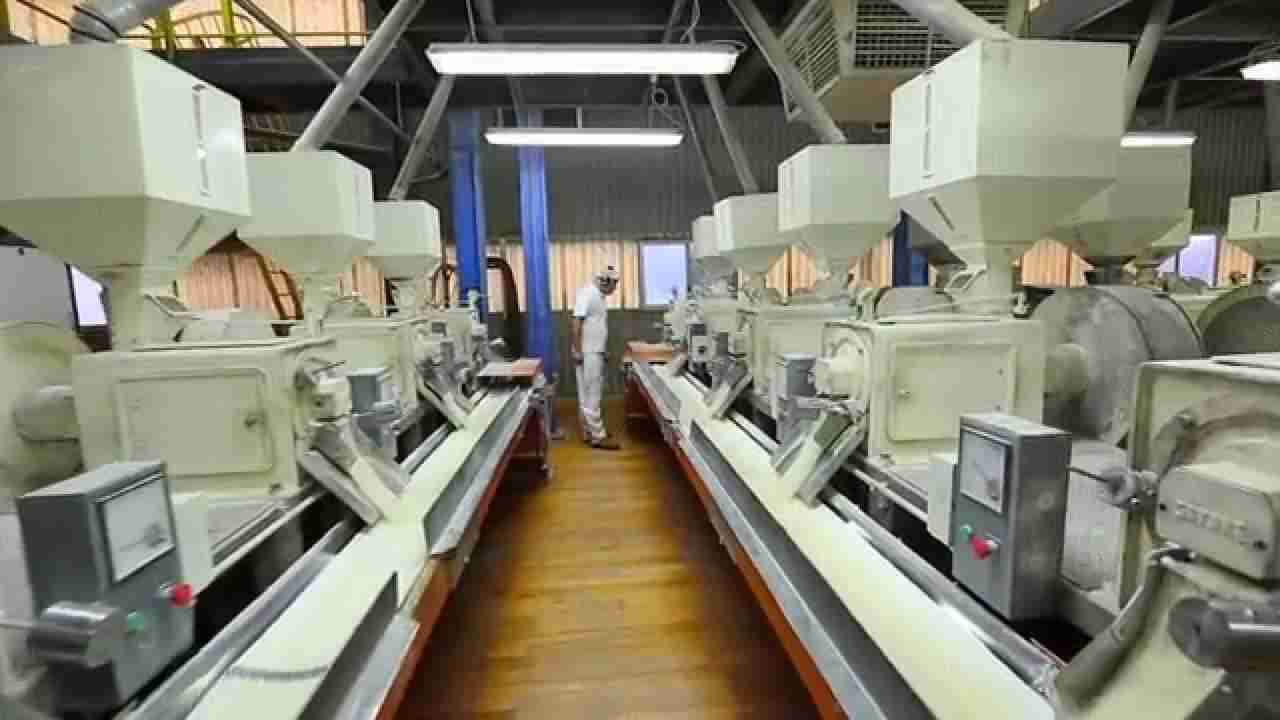
Exploring the Anatomy of Rice Milling: Processes and Technologies
The journey of rice from paddy to plate is a meticulous one, consisting of several stages that transform the rough grains into the fluffy staple we are familiar with. First and foremost, the process begins with harvesting, where mature rice plants are cut and gathered. Following this, the grains undergo drying to reduce moisture content, essential for preservation and quality. Key steps continue with cleaning, which ensures that impurities such as stones and husks are removed. Once cleaned, the rice enters the milling stage, where the outer layers are polished away, revealing the edible white rice we enjoy. This operation utilizes both mechanical and technological innovations to achieve precision and efficiency.
Central to rice milling are various technologies that enhance the output and quality of the final product. Modern rice mills often integrate the following components to optimize operations:
- Dehulling Machines: Remove the outer husk from paddy rice.
- Polishers: Smooth and create a glossy finish on the rice surface.
- Grading Equipment: Sort rice based on size and quality.
- Aeration Systems: Maintain optimal storage conditions by controlling humidity and temperature.
To illustrate the comparative efficiency of milling technologies, consider the following table:
| Technology | Efficiency (%) | Grain Quality |
|---|---|---|
| Traditional Milling | 60 | Moderate |
| Modern Automatic Milling | 90 | High |
| Eco-Friendly Mill | 75 | Good |
Maximizing Yield: The Importance of Quality Grains and Milling Techniques
In the world of rice milling, the quality of the grains used is paramount. Selecting high-grade rice varieties not only boosts the quantity of the yield but significantly enhances the taste and nutritional value of the final product. When farmers pay special attention to seed selection, they set the stage for success. The characteristics that define high-quality rice include:
- Grain Size and Shape: Long grains are generally preferred for a fluffier texture.
- Uniformity: Consistent grain color and size ensure even cooking.
- Minimal Defects: Grains should be free from pests, disease, and discoloration.
Moreover, the milling techniques employed are equally crucial. Modern rice mills utilize advanced technology that not only enhances efficiency but also preserves the quality of the grains during processing. Key milling factors include:
- Hulling Process: Properly adjusted hulling machines reduce breakage.
- Polishing Techniques: Opt for gentle polishing to maintain nutritional integrity.
- Moisture Control: Maintaining optimal moisture levels helps in reducing losses during storage.
| Quality Parameters | Importance |
|---|---|
| Grain Size | Influences cooking quality and texture. |
| Uniformity | Ensures consistent cooking results. |
| Defect Level | Affects overall marketability and consumer acceptance. |

Sustainability in Rice Production: Innovations for a Greener Future
In the quest for sustainable rice production, innovative practices are becoming the cornerstone of green methodologies that minimize environmental impact while maximizing output. One of these practices is the integration of precision agriculture, which utilizes advanced technologies such as GPS and drone surveillance to monitor crop health and soil conditions. This targeted approach allows farmers to apply water and fertilizers more efficiently, reducing waste and environmental runoff. Additionally, practices like crop rotation and intercropping not only improve biodiversity but also enhance soil health, making rice cultivation more resilient to pests and climate variability.
Moreover, the use of biodegradable packaging for harvested rice showcases a commendable shift towards eco-conscious consumerism. Rice mills are increasingly adopting water-efficient milling processes, such as mechanical dehusking, which require less water compared to traditional methods. These advancements are complemented by the utilization of renewable energy sources, like bioenergy derived from rice husks, to power milling operations. The synergy of these innovations not only ensures a healthier planet but also promotes a more sustainable farming economy, leading to a brighter, greener future for rice production.
| Innovation | Benefit |
|---|---|
| Precision Agriculture | Optimizes resource use and minimizes waste |
| Biodegradable Packaging | Reduces plastic waste and supports eco-friendly practices |
| Water-efficient Milling | Conserves water and lowers operational costs |
| Renewable Energy | Decreases reliance on fossil fuels |
Empowering Farmers: The Role of Education and Community in Rice Milling Success
In the world of rice milling, education serves as a vital pillar that empowers farmers to fully exploit the potential of their grains. Workshops and training sessions equip these agriculturalists with crucial insights into the milling process, from pre-harvest management to storage techniques. By understanding the science of grain quality and milling technologies, farmers can enhance their yields and profitability. The integration of local knowledge with modern practices not only improves operational efficiency but also nurtures a community of shared learning where each farmer inspires another to pursue excellence.
Moreover, fostering a sense of community among farmers fortifies their collective success in the rice milling industry. Establishing farmer cooperatives opens avenues for collective investment in better machinery and shared resources. These collaborations also encourage the exchange of best practices and the cultivation of innovative ideas that are tailored to local challenges. Furthermore, community events and support networks play a crucial role in addressing issues like market access and fair pricing, enabling farmers to navigate the complexities of the rice supply chain more effectively. In this ecosystem, the synergy of education and community not only empowers individual farmers but also uplifts the entire sector, unlocking the true potential of rice milling.
| Empowerment Strategies | Benefits |
|---|---|
| Workshops & Training | Improve milling techniques, enhance quality |
| Farmer Cooperatives | Shared resources, increased negotiation power |
| Community Events | Knowledge exchange, building networks |
| Innovative Solutions | Tailored approaches to local challenges |
Insights and Conclusions
As we draw the curtain on our exploration of rice mills and their pivotal role in unleashing the potential of grain, we are reminded that this ancient craft is both an intricate art and a dynamic science. The delicate balance between tradition and innovation shapes not only the quality of our staple food but also the livelihoods of countless farmers and communities across the globe.
In a world increasingly driven by technological advancements, the rice mill stands as a testament to the enduring importance of sustainable practices and mindful consumption. As we unlock the secrets held within each grain, we invite you to reflect on the journey from lush paddies to polished rice, appreciating the hands and machines that make it possible.
Ultimately, the growth and evolution of rice milling symbolize a broader narrative of resilience and adaptation—one that reminds us of our shared responsibility to cultivate not just grains, but a sustainable future. Whether you’re a consumer, a producer, or simply an admirer of the culinary arts, let this be a call to honor the grain that nourishes us and to embrace the innovations that continue to shape our agricultural landscape.




