
In a world where the rhythm of life often hinges on the grains we cultivate, an extraordinary transformation is quietly reshaping the agricultural landscape: the rise of the rice mill revolution. As the sun rises over verdant fields, golden grains sway gently in the breeze, holding the promise of sustenance, economic opportunity, and innovation. This article delves into the heart of a burgeoning movement that transcends traditional farming practices, exploring how modern technology and entrepreneurial spirit are turning humble rice grain into a beacon of wealth and prosperity. From increasing efficiency in harvesting and processing to creating sustainable business models that empower local communities, the evolution of rice milling is a testament to human ingenuity. Join us as we uncover the intricate tapestry of this revolution, where age-old traditions meet cutting-edge advancements, and every grain of rice tells a story of potential waiting to be realized.
Transforming Agricultural Potential into Economic Growth
In many developing regions, the untapped agricultural potential often hides behind a veil of inefficiencies and outdated practices. By revolutionizing the rice milling industry, communities can harness this potential, creating a ripple effect that enhances the local economy. Modern rice mills equipped with cutting-edge technology not only improve grain quality but also elevate the yield and profitability for farmers. With the ability to process larger quantities in shorter timeframes, these facilities can transform harvested rice into premium products, allowing farmers to reap higher prices and appreciate the full value of their hard work. As a result, rural economies flourish, leading to greater financial stability and employment opportunities.
The impact of this transformation extends beyond just farmers; it spurs a chain reaction throughout the agricultural sector. Key stakeholders, including suppliers and distributors, witness increased demand for processed rice products, prompting them to expand their operations and invest in their local communities. Additionally, the increased accessibility of high-quality rice generates improved dietary options for consumers while fostering economic self-sufficiency. Here are some key benefits of this evolution:
- Job Creation: New mills necessitate labor, generating jobs.
- Enhanced Quality: Improved milling techniques yield superior rice.
- Local Business Growth: Spurred demand invigorates local enterprises.
- Stable Prices: Consistent supply keeps market fluctuations in check.
By adopting innovative technologies, the rice milling revolution promises to not only elevate individual farmers but also bolster entire communities, propelling them towards a prosperous future. The vision of turning grain into gold is no longer just a metaphor; it’s becoming a reality through the dynamic interplay of technology, community effort, and economic strategy.
Innovative Technologies Driving Efficiency and Sustainability
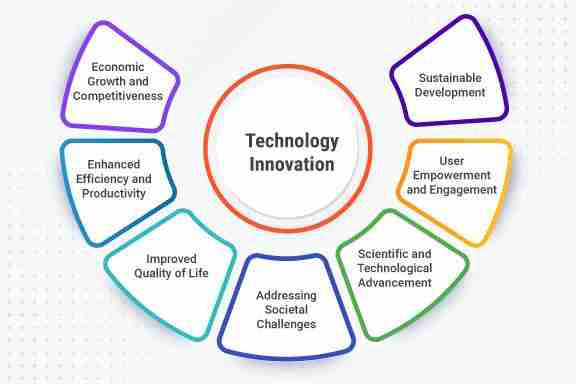
The evolution of rice milling technology is a testament to how innovation can transform traditional practices into models of efficiency and sustainability. Today’s advanced rice mills leverage precision engineering, AI-driven analytics, and energy-efficient processes to not only optimize production but also minimize waste. By employing cutting-edge machinery, these facilities can achieve higher extraction rates while reducing the overall energy footprint, which ultimately benefits both producers and consumers. The integration of smart sensors and IoT devices allows for real-time monitoring of operations, ensuring that each batch of rice is milled to perfection while maximizing resource utilization.
Moreover, the commitment to sustainability can be clearly seen in the adoption of eco-friendly practices within these modern facilities. Innovative technologies like biomass energy systems harness leftover rice husks and straw to generate power, which significantly reduces reliance on fossil fuels. Additionally, many rice mills are now implementing water recycling systems that minimize water usage, a critical factor in areas where water scarcity is an issue. The impacts of these advancements resonate through the supply chain, as farmers gain access to better processing options and consumers enjoy fresher, more nutritious products. The table below illustrates the comparative advantages of modern rice milling technologies over traditional methods:
| Feature | Traditional Milling | Modern Milling |
|---|---|---|
| Energy Efficiency | Low | High |
| Waste Reduction | Minimal | Maximized |
| Production Time | Longer | Shorter |
| Environmental Impact | Significant | Reduced |
Empowering Local Farmers through Access and Education
The journey of transforming local agriculture starts with empowering farmers, providing them the tools and knowledge they need to thrive in a competitive market. Education is the backbone of this movement, bridging the gap between traditional practices and modern techniques. Workshops and training sessions can cover various topics, including sustainable farming, pest management, and efficient processing methods. Farmers can learn how to optimize their crop yield and reduce waste, ensuring that every grain reaches its fullest potential. By unlocking these skills, they can navigate the complexities of the market with confidence and determination.
Access to resources plays an equally critical role in this transformation. Building community partnerships among farmers, local governments, and agricultural organizations can create a support system that enhances productivity. This can include:
- Subsidized equipment: Providing cost-effective machinery that simplifies the milling process.
- Quality seeds: Ensuring farmers have access to high-yield, disease-resistant seed varieties.
- Market linkages: Connecting farmers directly to consumers and retailers, maximizing profits.
By fostering an environment of support and collaboration, local farmers can see their efforts transformed into tangible success, contributing not only to their livelihoods but also to the broader economy.
Strategies for Investment and Market Expansion in the Rice Milling Sector
Investors looking to capitalize on the burgeoning rice milling sector must adopt a multi-faceted approach that acknowledges both technological advancements and market demands. To begin with, embracing innovation through state-of-the-art milling equipment can significantly enhance production efficiency and quality. Automation not only reduces labor costs but also diminishes human error, creating a more streamlined production line. Furthermore, implementing data analytics to monitor market trends and consumer preferences can guide informed decision-making. This way, millers can optimize their operations and ensure their product offerings remain competitive in a rapidly evolving marketplace.
To expand into new markets, it is essential to establish robust supply chain networks and strategic partnerships. Building relationships with local farmers can foster sustainable sourcing and ensure a consistent quality of raw materials. Additionally, exploring export opportunities can widen the market reach, tapping into regions that are increasing their rice consumption. Consideration of packaging and branding is vital; offering eco-friendly options may appeal to environmentally conscious consumers. By establishing clear communication channels and a reputation for quality, rice mills can position themselves as leaders in an emerging global market.
The Way Forward
As the golden grains cascade from the mill, they hold within them not just the promise of sustenance but the potential for transformation. The rice mill revolution encapsulates a journey of innovation, where age-old traditions meet modern technology to reshape agricultural landscapes and uplift communities around the globe. From the farmer’s field to the bustling marketplace, each grain tells a story of perseverance and possibility. As we stand at the crossroads of tradition and progress, the continuing evolution of rice milling serves as a reminder that, in the hands of visionary thinkers, even the most humble ingredients can yield extraordinary outcomes. As we look to the future, may we nurture this revolution, ensuring that the golden potential of rice—once merely a staple—continues to inspire and nourish generations to come.




