Transforming grains: The Essential Journey of Rice Milling
in the heart of every bustling kitchen and at the core of countless culinary traditions lies a staple that has fed generations: rice. This versatile grain, cherished across continents, is more than just a pantry item; it is a symbol of sustenance, culture, and innovation. Yet, the journey of rice from its golden fields to the steaming bowl on your table is often overlooked.Enter the intricate world of rice milling—a transformative process that champions the grain’s potential while ensuring its nutritional integrity.
Milling is not merely a mechanical task; it is an art form, harmonizing traditional techniques with modern technology to unlock the full promise of rice. As we delve into this essential journey, we will explore the stages of rice milling, the science behind each method, and the impact this process has on both quality and flavor. From the husking that liberates the grain to the polishing that enhances its appearance, join us as we unpack the journey of rice—a tale of transformation that feeds not just the body, but also the spirit of nourishment itself.

The Journey from Field to Bowl Understanding the Rice Milling Process
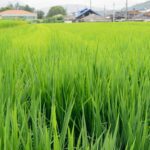
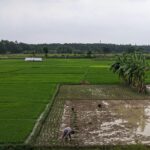
Rice milling is a fascinating journey that transforms rough,unpolished grains into the glossy white pearls that grace our bowls. The process begins at the paddy fields where rice plants sway gently in the breeze, absorbing sunlight and nutrients. Once harvested, the rice undergoes post-harvest processing to ensure its quality. This includes steps like drying the grains to reduce moisture content,thereby preventing spoilage,and transporting them to milling facilities. It is at these facilities that the rice undergoes its most defining transformation.
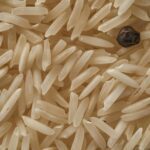
Inside the milling facility,the paddy is fed into the mill where it is indeed husked,separating the outer husk from the brown rice. This is followed by the crucial steps of whitening,where the brown rice is polished to remove the bran layers,and then grading,which sorts the milled rice based on size and quality. Each stage must be carefully managed to maintain the rice’s nutritional value and flavor.Here’s a simple overview of the milling process:
| Step | Description |
|---|---|
| Husking | Removal of the outer husk from paddy grains |
| Whitening | Polishing brown rice to remove bran layers |
| Grading | Sorting rice based on size and quality |
The intricate dance of machines and meticulous craftsmanship ensures that by the time rice reaches the packaging stage, it has undergone a rigorous refinement process. Quality control checks are paramount at this stage, as even the smallest imperfection can compromise a batch. The final product,now ready for packaging,is a testament to the hard work and precision of rice milling,culminating in the grains that we ultimately cook and enjoy at home.

Essential Equipment for Modern Rice Mills Ensuring Efficiency and Quality
To achieve optimal performance in rice milling, investing in the right equipment is paramount. Modern rice mills rely on a combination of cutting-edge technology and expert craftsmanship to ensure the grains are processed efficiently while maintaining their natural quality. Key equipment includes rice huller machines that effectively separate the husk from the grain without causing damage. The incorporation of paddy separators enhances efficiency by removing impurities and ensuring that the rice produced meets high-quality standards. Furthermore, modern polishing machines play a vital role in refining the appearance and texture of rice, offering a polished finish that appeals to consumers.
Other essential components contribute to the seamless operation of rice mills. Storage silos are crucial for safeguarding harvested grains against spoilage, maximizing shelf life while maintaining quality. The integration of automated control systems facilitates precise monitoring and adjustment during the milling process, thus reducing waste and increasing yield. Additionally,dust collection systems enhance the working environment by minimizing airborne particles,promoting health within the milling facility. A well-rounded collection of equipment ensures not only productivity but also the ability to uphold the integrity of the rice, enriching the journey from grain to plate.
Sustainability in Rice Milling Practices Reducing environmental Impact
In the quest for enduring rice milling practices,the industry is gradually shifting towards methods that minimize environmental harm while maximizing efficiency. By adopting renewable energy sources, rice mills can substantially reduce their carbon footprints. This includes utilizing solar panels and biogas systems that harness waste from the milling process. Additionally, implementing water conservation techniques can mitigate the heavy consumption of water typically associated with rice milling. technologies such as recirculating water systems and advanced filtration can promote a circular economy, where water is efficiently reused, thereby preserving this precious resource.
Another area of focus is the waste management strategies employed within rice milling operations. By converting by-products,such as rice husks and bran,into value-added products,mills can minimize waste and turn potential environmental hazards into sustainable revenue streams. As a notable example,rice husks can be transformed into biomass fuel,while rice bran can be used to produce oil or as an animal feed additive. Moreover, adopting eco-friendly packaging for rice products helps to reduce landfill waste, further contributing to an overall greener operation. Here’s a snapshot of the benefits of integrating sustainable practices in rice milling:
| Sustainable Practise | Benefit |
|---|---|
| Renewable Energy Sources | Lower carbon emissions |
| Water Conservation | Reduced water usage |
| Waste Management | Minimized waste production |
| Eco-friendly Packaging | decreased landfill impact |
Future Trends in Rice Milling Technology Innovations Shaping the Industry
As the rice milling industry evolves, technological advancements are paving the way for improved efficiency and sustainability. Innovations such as automated milling systems and AI-driven quality control processes are at the forefront of this transformation. These technologies are designed to optimize the milling process, ensuring a higher yield while minimizing waste. Some of the most notable trends include:
- IoT Integration: Sensors collect real-time data on moisture content and grain conditions, enabling millers to adjust processes dynamically.
- Smart Machinery: Equipments that leverage machine learning algorithms to predict maintenance needs and decrease downtime.
- Energy Efficiency: New milling techniques significantly reduce energy consumption, aligning with global sustainability efforts.
Additionally, advancements in software solutions are revolutionizing how mills manage operations, from inventory tracking to customer relationship management. By utilizing cloud-based platforms, millers can streamline their workflows and make data-driven decisions that enhance productivity.
| Innovation | Benefit |
|---|---|
| Automated Systems | Increased efficiency and reduced labor costs |
| AI Quality Control | Consistent product quality and fewer defects |
| Energy-Saving Technologies | Lower operational costs and environmental impact |
By embracing these cutting-edge solutions, rice milling operations can not only enhance their output but also improve the sustainability of their business practices, setting the stage for a greener future in agriculture. As these technologies proliferate, the industry’s landscape is poised for critically important change, making it an exciting time to be involved in the field of rice milling.
Final Thoughts
the journey of rice milling is a fascinating interplay of tradition and innovation, where each grain undergoes a transformation that is both meticulous and essential. From its humble beginnings in the paddy fields to the polished, ready-to-cook rice on our tables, this process not only enhances the grain’s flavor and texture but also plays a pivotal role in food security across the globe. as we continue to advance in technology and techniques, the art of rice milling remains a crucial bridge between nature and nourishment. It reminds us that beneath the surface of our daily foods lies a world of complexity and care, deserving of both appreciation and understanding. As we savor each bite of rice, let’s celebrate not just the meal, but the meticulous journey it undertook to reach us—one grain at a time.