
Transforming Grain to Gold: The Rise of Combined Rice Mills
In the heart of agriculture, where fields ripple with gold-tipped grains under the sun, a quiet revolution is taking place. As the world’s demand for upscale and efficiently processed rice continues to surge, the humble rice mill finds itself at the center of an economic renaissance. Enter the combined rice mill—a marvel of modern engineering that marries efficiency with innovation, turning raw grains into culinary treasures. This article delves into the rise of these sophisticated yet essential establishments, exploring their role in transforming local economies, enhancing food security, and streamlining the complex journey from paddy to pantry. Join us as we uncover the intricate processes that yield more than just rice; we’ll discover how these mills are committed to cultivating prosperity, one grain at a time.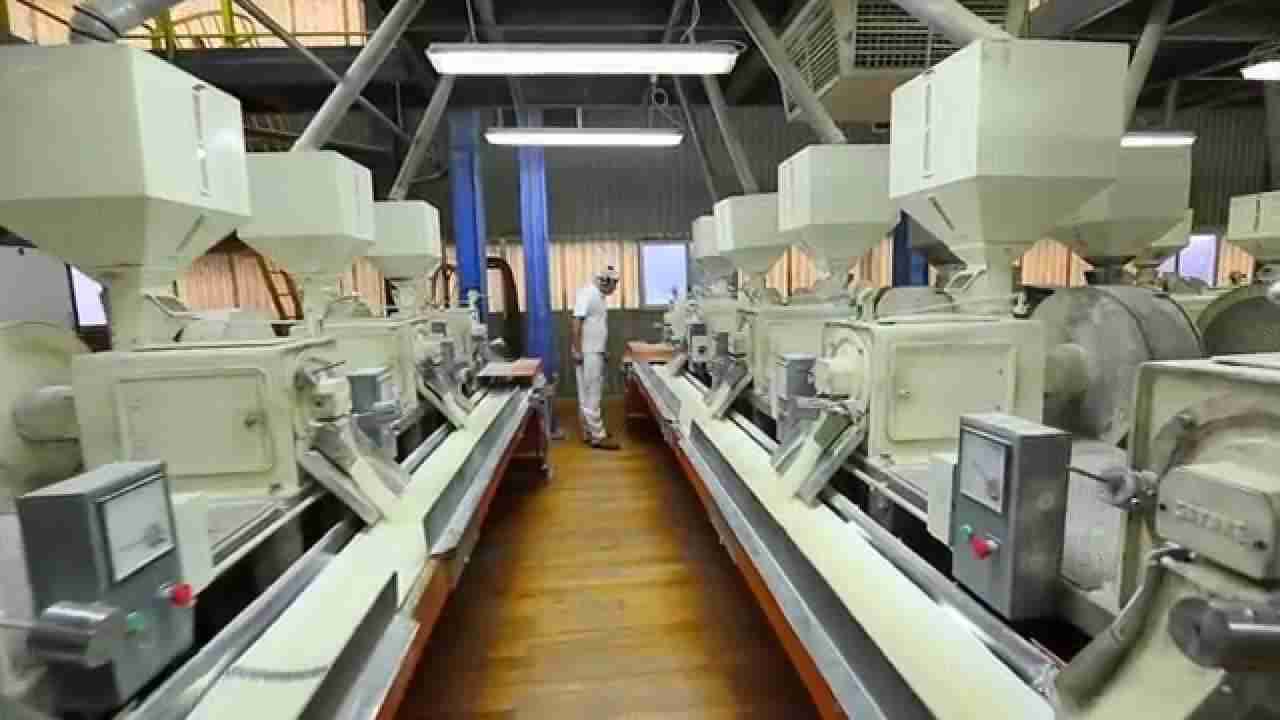
The Evolution of Rice Milling Technologies and Their Impact on Efficiency
The journey of rice milling has undergone a remarkable transformation over the decades, propelled by innovations that have continuously optimized both the efficiency and quality of rice processing. Early methods primarily relied on manual labor and rudimentary tools, which made the milling process labor-intensive and time-consuming. As demand for rice grew, so did the need for mechanization, which birthed hullers and polishers that could streamline the separation of husks from grains. These advancements not only reduced the physical strain on workers but also significantly increased milling rates, allowing millers to meet rising consumer demands with greater ease. Today, with the advent of digital technologies and automation, modern milling systems have evolved into integrated solutions that enhance productivity while ensuring high-quality outputs.
Central to this evolution is the advent of combined rice mills, which merge multiple functionalities into a single unit. These state-of-the-art machines epitomize efficiency by incorporating key processes such as hulling, polishing, and grading within one framework. Not only do they minimize the need for additional equipment, but they also reduce energy consumption and operational costs. The benefits of these advanced systems can be encapsulated in a few key points:
- Increased throughput: Allows millers to process larger quantities of rice in shorter time frames.
- Quality consistency: Maintains a uniform grain size and quality, crucial for market competitiveness.
- Labor efficiency: Reduces dependency on manual intervention, streamlining operations.
| Type of Mill | Key Features | Efficiency Gains |
|---|---|---|
| Traditional Mill | Manual operation, basic hulling | Lower productivity |
| Modern Mill | Automated processes, multiple functions | High throughput |
| Combined Rice Mill | Integrated systems, energy-efficient | Maximized efficiency |
This remarkable shift in rice milling technology reflects a broader trend in agricultural practices, as the industry embraces innovation to address challenges related to productivity and sustainability. As millers continue to adopt these modern technologies, the connection between high-quality rice production and advancements in milling solutions becomes increasingly vital in feeding a growing global population.

Harnessing Sustainability in Combined Rice Mills for Economic Growth
html
In the quest for economic growth, combined rice mills stand out as a beacon of sustainability and efficiency. By integrating advanced milling technologies with eco-friendly practices, these facilities minimize waste and promote the use of renewable resources. As a result, they not only enhance the quality of the rice produced but also create a positive ripple effect in the local economy. This system encourages multi-tiered benefits for stakeholders, including farmers, millers, and consumers alike. Key initiatives that underscore this commitment to sustainability include:
- Solar-Powered Operations: Utilizing solar panels to reduce reliance on fossil fuels.
- Water Recycling: Implementing systems to reuse water in milling processes.
- Zero-Waste Policies: Maximizing the use of by-products, such as bran and husk, for animal feed or energy generation.
The impact of such sustainable practices is quantifiable and significant. As combined rice mills adopt green processes, they contribute to both environmental conservation and economic viability. Furthermore, the shift to sustainable practices is supported by government incentives, creating a fertile ground for investments. The table below provides an overview of the economic benefits observed in regions adopting sustainable milling practices:
Benefit
Impact
Job Creation
Increased local employment opportunities by 25%
Profit Growth
Boosted profits by 30% within the first year
Market Expansion
Access to international markets increased by 15%

Navigating Market Trends: Understanding Consumer Preferences in Rice Products
The demand for rice products has evolved significantly in recent years, driven by changing lifestyles and increasing health consciousness among consumers. A notable trend is the growing preference for organic and fortified rice options, reflecting the public’s desire for nutritious and sustainable food choices. As consumers become more educated about the nutritional benefits of different rice varieties, their purchasing decisions are also swayed by factors such as packaging, branding, and the perceived quality of the product. Additionally, the rise of online grocery shopping has opened avenues for consumers to explore diverse rice products, leading to a surge in niche markets such as specialty rice (e.g., jasmine, basmati).
To effectively align with these shifting consumer preferences, combined rice mills are adapting their strategies. They focus on offering a broader range of products, including convenient, ready-to-eat rice meals and value-added products such as rice flour and rice cakes. Moreover, mills are investing in innovative processing technologies that enhance the nutritional profile and shelf life of rice while maintaining its quality. To further understand consumer behavior, these mills often analyze market data to fine-tune their offerings. Below is a table showcasing some emerging consumer preferences in rice products:
| Consumer Preference | Key Drivers | Typical Products |
|---|---|---|
| Organic rice | Health consciousness, sustainability | Brown rice, wild rice |
| Convenience | Busy lifestyles, quick meals | Microwaveable rice packs, rice bowls |
| Fortified varieties | Nutritional awareness | Vitamins and minerals enriched rice |
| Specialty types | Culinary exploration | Jasmine, basmati, sticky rice |
Future Prospects: Innovations and Strategies for Enhancing Rice Mill Operations
As the demand for rice continues to soar, the future of rice milling operations is ripe for transformation through innovative technologies and strategies. Embracing automation and digitalization can dramatically increase efficiency, reducing labor costs while enhancing productivity. Key innovations include:
- Smart Milling Technologies: Implementing IoT devices in milling equipment enables real-time monitoring and data analysis, allowing mill operators to optimize performance and reduce waste.
- AI-Driven Quality Control: Utilizing artificial intelligence for inspecting grain quality ensures only the best products reach consumers, elevating brand reputation.
- Sustainability Initiatives: Incorporating energy-efficient machinery and waste recycling methods not only cuts operational costs but also aligns with environmentally friendly practices.
Additionally, forming partnerships with local farmers can create a more sustainable supply chain while boosting local economies. Leveraging data analytics to forecast demand can streamline operations, ensuring mills are prepared to meet market fluctuations. By employing these strategies, mill operators can enhance their competitive edge through:
| Strategy | Benefit |
|---|---|
| Collaboration with Local Producers | Reduces transportation costs and strengthens community ties. |
| Adoption of Renewable Energy Sources | Minimizes energy expenses and reduces carbon footprint. |
| Use of Advanced Analytics | Enables precise demand forecasting and effective inventory management. |
Concluding Remarks
In the ever-evolving landscape of agriculture and food production, the rise of combined rice mills stands as a testament to innovative thinking and adaptability. These mills, by merging processing efficiency with sustainability, are not just transforming grains into gold; they are redefining the very essence of rice milling. As we’ve explored, the integration of advanced technology and eco-friendly practices in these facilities is paving the way for a more prosperous future for farmers, consumers, and the environment alike.
As we look ahead, it is clear that the journey does not stop here. The lessons learned from the ascent of combined rice mills can inspire similar transformations across the agricultural sector, fostering a culture of continuous improvement and resilience. By embracing change and seeking out creative solutions, the potential for enhancing food security and economic growth in rice-producing regions is limitless.
In this age of transformation, where tradition meets innovation, one thing remains certain: the golden grains of harvested rice carry with them the promise of sustainable development and the hope for brighter tomorrows. As we continue to support and promote these advancements, let us watch with keen interest how this story unfolds—crafting not just a narrative of agricultural success, but also a blueprint for a more sustainable world.




