Rice has long been a staple food for billions of people around the world, and the process of milling it into a consumable form is an essential step in bringing this grain from farm to table. One of the powerhouses of the rice milling industry is the mighty 5-ton rice mill. In this article, we will take a closer look at this impressive piece of machinery, exploring its inner workings and the important role it plays in the production of one of the world’s most important food staples. So buckle up as we dive into the world of rice milling and uncover the secrets of the mighty 5-ton rice mill.
The History and Evolution of the 5-Ton Rice Mill
From humble beginnings as a hand-operated wooden contraption to the modern automated steel behemoth it is today, the 5-ton rice mill has gone through a remarkable evolution over the years. Originally designed to meet the demands of small-scale rice farmers, this milling machine has grown in size and efficiency to become an indispensable tool in the rice production industry.
With advancements in technology and engineering, the 5-ton rice mill has undergone significant improvements in its design and functionality. The addition of features such as automatic grain feeding, polishing units, and dust extraction systems has greatly increased its output capacity and quality of the finished product. Today, these mills are capable of processing large quantities of rice with minimal human intervention, making them essential in meeting the global demand for this staple food.
Efficiency and Productivity of the 5-Ton Rice Mill
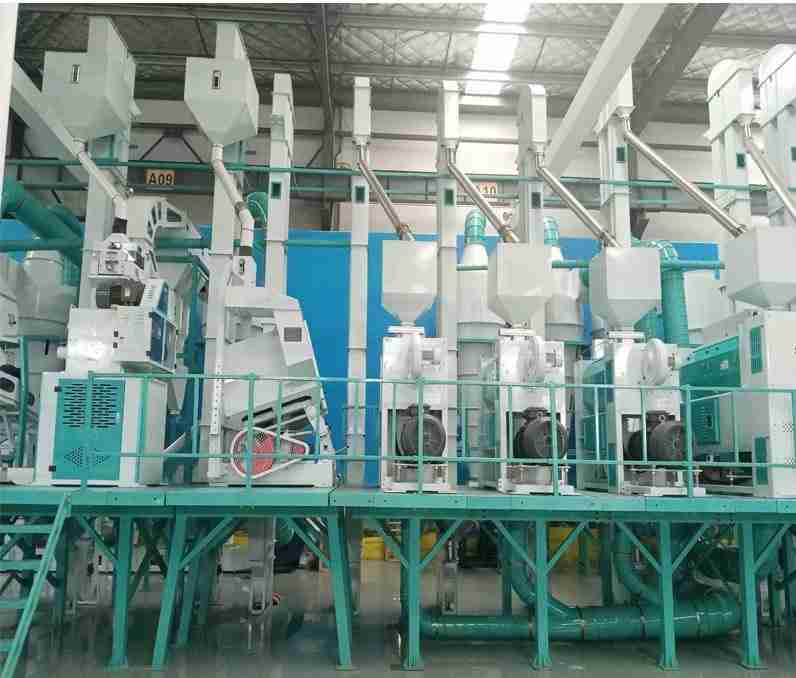
In assessing the , it is crucial to examine various factors that contribute to its performance. One key aspect to consider is the milling capacity of the machine, which directly impacts the amount of rice that can be processed in a given time frame. The 5-ton rice mill, with its impressive capacity, is able to handle large quantities of rice, making it a favorable choice for commercial operations.
Additionally, the speed at which the machine operates plays a significant role in determining its productivity. The 5-ton rice mill boasts a fast processing speed, allowing for quick and efficient milling of rice grains. This high-speed performance not only increases overall productivity but also ensures that the quality of the rice remains intact. With its combination of high milling capacity and fast operating speed, the 5-ton rice mill proves to be a powerful and efficient tool in the rice milling industry.

Maintenance Tips for Optimal Performance
Proper maintenance of your 5-ton rice mill is essential to ensure optimal performance and longevity. Here are some maintenance tips to keep your machine running smoothly:
- Regular Cleaning: Regularly clean the milling chamber, rollers, and sieves to ensure proper operation and prevent clogging.
- Lubrication: Keep all moving parts well-lubricated to reduce friction and wear, prolonging the life of your rice mill.
- Check for Wear and Tear: Regularly inspect all components for signs of wear and tear, such as cracks or damage, and replace as needed.
In addition to these maintenance tips, it is important to also keep an eye on the motor and electrical components of your rice mill. Make sure all connections are secure, and there are no frayed wires or other potential hazards that could affect the performance of your machine. By following these maintenance tips, you can ensure that your 5-ton rice mill continues to operate at its best, delivering high-quality rice for years to come.
Sustainability Practices in 5-Ton Rice Milling Operations
Rice milling is a crucial process in the production of rice, ensuring that the grains are ready for consumption. 5-ton rice milling operations play a significant role in the industry, processing large quantities of rice efficiently and effectively. However, with the increasing focus on sustainability practices, it is essential for rice mills to adopt environmentally friendly methods to reduce their impact on the environment.
Implementing can help minimize waste, conserve resources, and reduce carbon emissions. By utilizing energy-efficient equipment, optimizing water usage, and implementing proper waste management techniques, rice mills can contribute to a more sustainable future. Additionally, promoting fair labor practices and supporting local farmers can further enhance the sustainability of rice milling operations.
Key Takeaways
In conclusion, the mighty 5-ton rice mill is truly a marvel of innovation and efficiency in the world of rice production. From its massive size and capacity to its intricate processing mechanisms, this machine plays a crucial role in ensuring that rice is processed to perfection. As we have seen, every component of the rice mill works in perfect harmony to transform raw rice grains into the polished, high-quality product that we all know and love. So the next time you enjoy a plate of steaming hot rice, take a moment to appreciate the incredible work of the 5-ton rice mill that made it all possible.