Title: The Heart of Harvest: Exploring Chinese Rice Mills
Introduction:
Nestled amidst the lush, verdant fields of China, where golden grains sway gently in the breeze, lies a world that pulses with the rhythm of tradition and innovation—the rice mill. Often overlooked, these industrious hubs serve as the heart of the agricultural economy, transforming humble paddy into cherished staples that have nourished generations. In this exploration of Chinese rice mills, we journey into the intricate dance of machinery and labor, where age-old techniques intersect with modern technology to optimize efficiency and quality. From the moment the rice is harvested to the final packaging that finds its way to tables around the globe, the process reveals stories of culture, resilience, and the enduring meaning of rice in the tapestry of Chinese life. Join us as we delve into the mechanisms, history, and socio-economic impact of these vital establishments, illuminating the vital role they play in both local communities and the broader context of global food security.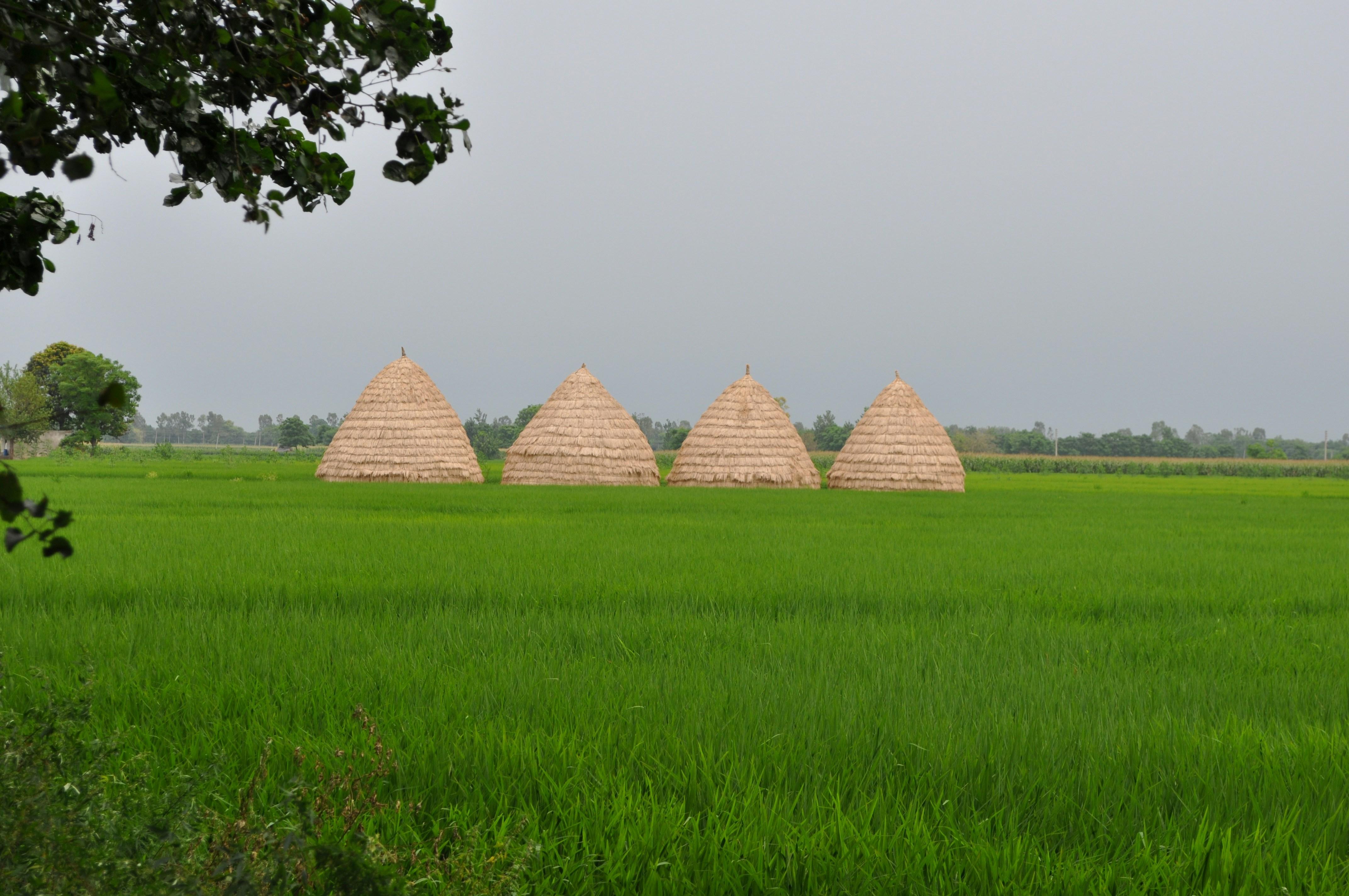
Understanding the Role of Rice Mills in Chinese Agriculture
In the vast landscape of Chinese agriculture, rice mills stand as pivotal hubs that transform raw harvests into staple food products. These facilities play a critical role in ensuring that the grains, once plucked from the paddy fields, are processed efficiently and effectively. The transformation process not onyl involves hulling and polishing the rice but also includes various checks to enhance the quality of the final product. By implementing modern technology and conventional methods, rice mills help maintain the integrity of rice grains, allowing them to retain essential nutrients while also improving their shelf life. The interplay between innovation and tradition allows these mills to serve different regional tastes and preferences.
Moreover, rice mills significantly impact local economies by providing employment opportunities and supporting farmers.By sourcing locally,they ensure that the economic benefits remain within the community,fostering agricultural sustainability. Key aspects of their influence include:
- Job Creation: Mills require a diverse workforce ranging from skilled labor for operation to administrative roles.
- Market Reach: They connect farmers to wider markets, ensuring fair prices for their produce.
- Quality Control: Ensuring that the rice meets both local and international standards, thus enhancing market competitiveness.
To visualize their importance, consider the table below, which highlights the main functions and impacts of rice mills in the Chinese agricultural ecosystem:
| function | Impact |
|---|---|
| Processing | Transforms harvested rice into consumer-ready products. |
| Economic Support | Boosts local economies through job creation and farmer support. |
| Quality Assurance | Ensures the rice meets nutritional and safety standards. |
| Innovation | Adopts technology to improve efficiency and reduce waste. |
Traditional Techniques Meet Modern Innovations in Rice Milling
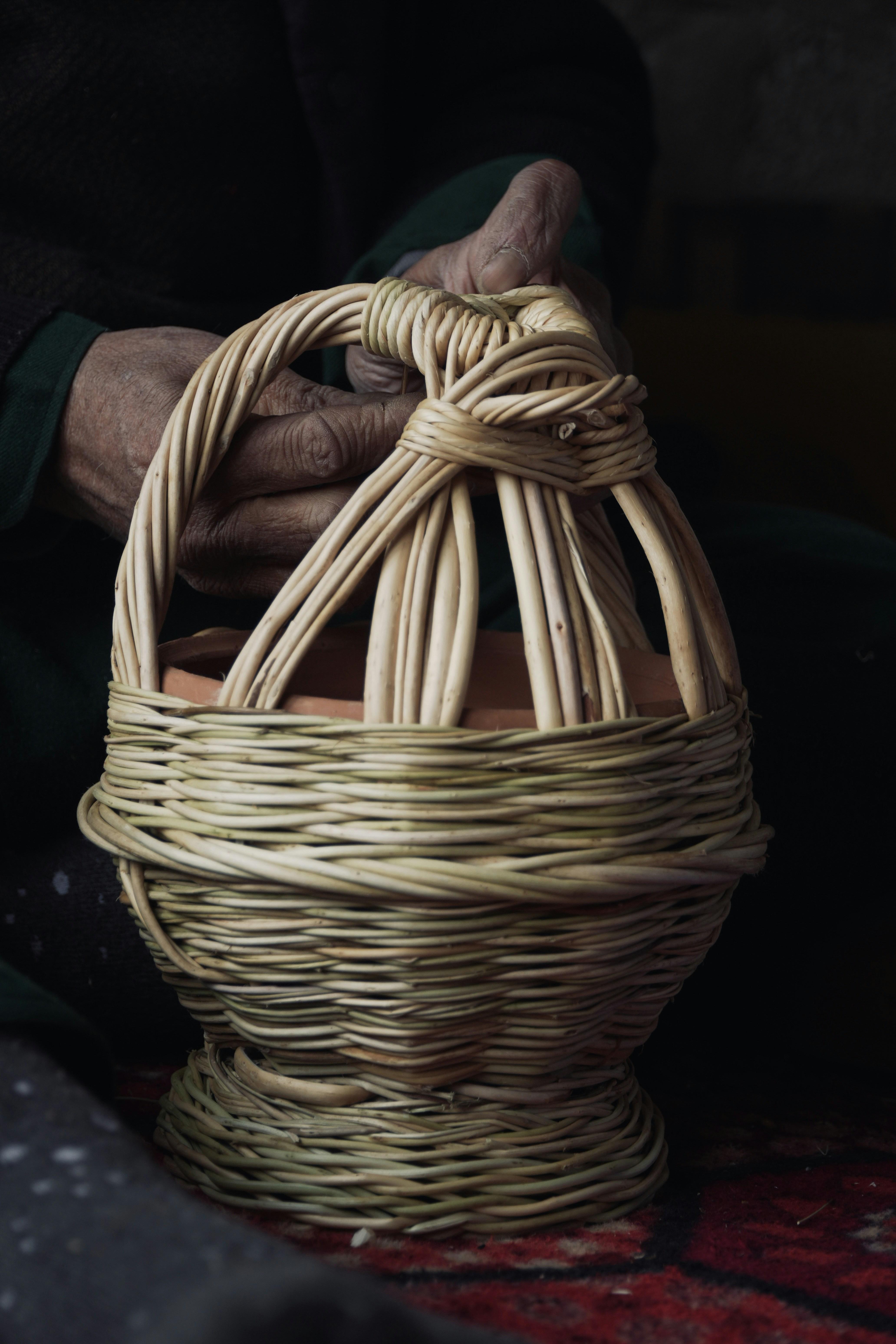
In the ever-evolving landscape of rice milling, there exists a fascinating interplay between age-old methods and contemporary advancements. Traditional milling techniques, often rooted in generations of practice, prioritize quality and an intimate understanding of the grain. For instance, the use of stone grinding dates back centuries, preserving the grain’s natural flavors and nutrients, while also providing a delicate texture that modern machines struggle to replicate. Many small-scale millers across China continue to use this method, emphasizing the importance of tradition in their craft.
On the flip side, innovative technologies have begun to enrich this time-honored industry, enhancing efficiency and sustainability. Modern rice mills now incorporate automation, reducing labor costs and minimizing human error. Additionally, advancements like precision milling ensure that every grain is processed to perfection. As these innovations gain traction, a synergistic approach emerges, blending the best of both worlds. Below is a quick overview of some of the key elements in this hybrid approach:
| Traditional Techniques | Modern Innovations |
|---|---|
| Stone Grinding - Preserves flavor and nutrients | Automated Systems – Streamlines production |
| Hand Sorting – Ensures quality control | Precision Milling - Reduces waste |
| natural Drying Methods – Enhances taste | Climate-Controlled Drying – Optimizes efficiency |
Sustainability Practices: Balancing Tradition with Environmental Responsibility
In the heart of rural China, traditional rice mills are not just relics of the past; they are vibrant centers where age-old practices meet contemporary environmental initiatives. Many rice mill operators are recognizing the importance of lasting agricultural practices to maintain the health of the land while preserving the rich heritage of rice cultivation. By implementing methods like crop rotation and integrated pest management, they ensure the soil remains fertile and biodiversity thrives, thus protecting both the surroundings and their livelihoods.
Moreover, there’s a growing emphasis on minimizing waste throughout the rice milling process. Millers are finding innovative ways to utilize by-products, transforming rice husks into bioenergy, and using the remaining bran for animal feed. This not only reduces the environmental footprint but also enhances economic viability. Key sustainability practices being adopted include:
- Water conservation through efficient irrigation systems
- Organic farming to eliminate chemical pollutants
- Recycling waste to create eco-amiable fertilizers
To illustrate the impact of these sustainable practices, the following table highlights key metrics from various mills adopting eco-friendly approaches:
| Mills | Water Usage (liters/kg) | Waste Reduction (%) | Organic Practices (%) |
|---|---|---|---|
| Mill A | 3.5 | 40 | 70 |
| Mill B | 4.1 | 35 | 60 |
| Mill C | 3.8 | 50 | 80 |
Through these efforts, Chinese rice mills are not merely producing food; they are weaving a new story that marries the past with the future, crafting a sustainable narrative that respects tradition while embracing the responsibility towards our planet.
Culinary Journey: The Impact of Rice Milling on Chinese Cuisine
The process of rice milling is an art that has deeply influenced the fabric of Chinese cuisine. Traditional methods of milling have gradually transformed over centuries, shaping not just the grain itself but the culinary practices surrounding it. Milling serves to refine rice, removing the husk and bran layers, resulting in the white, fluffy grains that are a staple in countless dishes. Though, the type of rice produced significantly impacts flavor and texture, which in turn affects the culinary outcomes. Whether it’s the nutty aroma of jasmine rice or the sticky allure of glutinous rice, each grain provides a unique experience that can elevate the most simple of meals to gastronomical heights.
Modern rice mills, equipped with advanced technology, have streamlined the milling process, ensuring consistency and quality. Yet, the essence of local varieties remains paramount, as many small-scale mills still honor traditional practices. The use of different milling techniques can alter the characteristics of rice,impacting a dish’s texture and taste profile. A fascinating aspect of this journey is the intersection of rice with regional specialties, as dishes vary significantly from province to province — from the hearty congee of the south to fragrant rice stir-fries of the north. The cultural significance of rice is encapsulated in the way it is indeed prepared and enjoyed, forging unbreakable connections between the grain and the rich tapestry of Chinese culinary heritage.
| Type of Rice | Culinary Use |
|---|---|
| Jasmine Rice | Perfect for stir-fries and curries |
| Glutinous Rice | Commonly used in desserts and dumplings |
| Long Grain Rice | Ideal for fried rice and pilafs |
| Brown Rice | Served as a healthier option in bowls and salads |
In Conclusion
As we conclude our exploration of Chinese rice mills,it becomes clear that these humble structures are more than just functional facilities; they are a testament to a rich cultural heritage and an intricate tapestry of tradition,technology,and community. The rhythmic sounds of machinery intertwining with the soft rustling of rice add to the symphony of rural life,where each grain carries with it stories of labor,perseverance,and sustenance.
In a world increasingly driven by industrialization and automation, the heart of harvest still beats strongly within these mills. They remind us of the delicate balance between preserving age-old practices and embracing innovation for a sustainable future. Each mill stands as a guardian of history, nurturing not only the grains that feed millions but also the very essence of a way of life that has endured through generations.
As we reflect on our journey through the intricate processes and passionate hands that bring rice from field to table, let us carry forward an appreciation for the roots of our nourishment. The rice mills of China are not merely places of production; they are living monuments to the people and traditions that cultivate our connection to the earth. In every meal we share, we partake in this enduring legacy, reminding us that behind every bite is a complex story waiting to be told.