
Step inside the bustling world of a rice mill, where the humble grain undergoes a fascinating transformation from paddy to pantry staple. In this article, we will explore the inner workings of a rice mill, uncovering the intricate processes and machinery that are essential to producing this vital food source. Join us on a journey through the grain game, as we delve into the heart of the operation and discover the secrets behind the production of one of the world’s most consumed crops.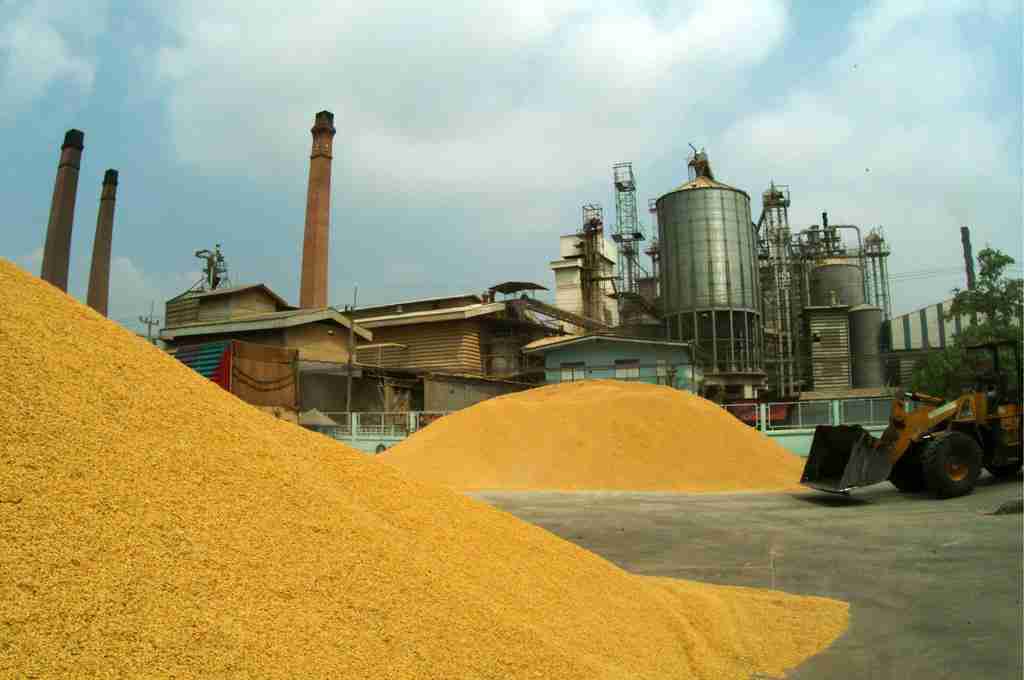
The intricate process of rice milling
Rice milling is a meticulous process that involves several intricate steps to transform raw rice grains into the polished final product we see on grocery store shelves. The process begins with the cleaning and removal of any impurities from the grains, followed by husking to remove the outer hull. Next, the grains are polished to remove the bran layer, resulting in the shiny white appearance we associate with white rice.
After polishing, the rice undergoes the process of grading and sorting to ensure uniformity in size and quality. This is followed by packaging and distribution to make its way to consumers worldwide. Each step in the rice milling process requires precision and attention to detail to produce the high-quality rice that is a staple in diets across the globe.

Maximizing efficiency in rice processing
Rice processing is a complex operation that requires precision and efficiency at every step of the way. To maximize efficiency in rice processing, rice mills must adopt innovative technologies and optimized processes to ensure quality output and reduce waste. One key aspect of is through streamlining the production line to minimize downtime and maximize productivity.
Implementing automation systems, utilizing advanced sorting and grading machines, and optimizing storage solutions are just some of the ways rice mills can improve efficiency in their operations. By investing in state-of-the-art equipment and implementing best practices, rice mills can increase their output capacity, reduce production costs, and ultimately improve their bottom line. With the demand for rice continuing to grow worldwide, is crucial for staying competitive in the industry.

Strategies for maintaining rice quality
Maintaining high-quality rice is crucial in the rice milling industry. To ensure the best product for consumers, rice mills employ various strategies and techniques. One key method is proper storage, which involves storing rice in cool, dry environments to prevent moisture buildup and mold growth. Additionally, regularly inspecting and cleaning milling equipment can help prevent contamination and maintain the integrity of the grain.
Another important strategy is proper handling and packaging of the rice. Implementing careful handling procedures, such as avoiding rough handling that can lead to breakage, can help preserve the quality of the rice. Using quality packaging materials that protect the rice from moisture and pests is also essential. By following these strategies, rice mills can produce high-quality rice that meets consumer expectations.
Technological advancements in the rice milling industry
As technology continues to advance, the rice milling industry is seeing significant improvements in efficiency and quality. One major technological advancement in recent years is the introduction of automated sorting and grading systems. These systems use sensors and cameras to inspect each grain of rice, ensuring that only the highest quality grains make it through the milling process. This not only improves the overall quality of the final product but also reduces the amount of waste produced during milling.
Another exciting development in the industry is the use of artificial intelligence to optimize the milling process. AI algorithms can analyze data in real-time to make adjustments to the milling machinery, leading to higher yields and faster processing times. Additionally, the integration of IoT devices allows for remote monitoring and control of equipment, reducing downtime and maintenance costs. With these technological advancements, the rice milling industry is poised to meet the growing demand for high-quality rice in a more sustainable and efficient manner.
Key Takeaways
As we conclude our journey through the intricate world of rice milling, it becomes clear that the grain game is a delicate dance between tradition and technology. The rhythmic whir of machines juxtaposed with the tactile expertise of skilled workers creates a symphony of efficiency and precision. Behind each grain of rice lies a story of hard work, innovation, and resilience. So the next time you enjoy a bowl of rice, take a moment to appreciate the craftsmanship that goes into each bite. The grain game is not just about processing rice, but about preserving a legacy of sustenance and sustenance for generations to come. Thank you for joining us on this captivating exploration of the heart of a rice mill.




