
From the serene landscapes of ancient China emerges a time-honored practice that blends tradition with innovation – the art of Chinese rice milling. As the heartbeat of a culture deeply rooted in agriculture, this meticulous process not only produces a staple food essential for sustenance, but also showcases the remarkable skill and craftsmanship of generations past. Join us on a journey through the intricate world of Chinese rice milling, where history meets artistry in a mesmerizing symphony of tradition and modern techniques.
Heading 1: Traditional Techniques in Chinese Rice Milling
In Chinese culture, rice is not just a staple food, but a symbol of prosperity, fertility, and abundance. The traditional techniques used in Chinese rice milling have been passed down through generations, preserving the artistry and skill required to produce high-quality rice.
One of the key techniques used in Chinese rice milling is the use of stone mills to grind the rice grains. These stone mills are made from granite or marble and are carefully crafted to ensure the grains are ground evenly and efficiently, resulting in a smoother and more refined texture.
Heading 2: Enhancing Flavor and Texture through Rice Polishing
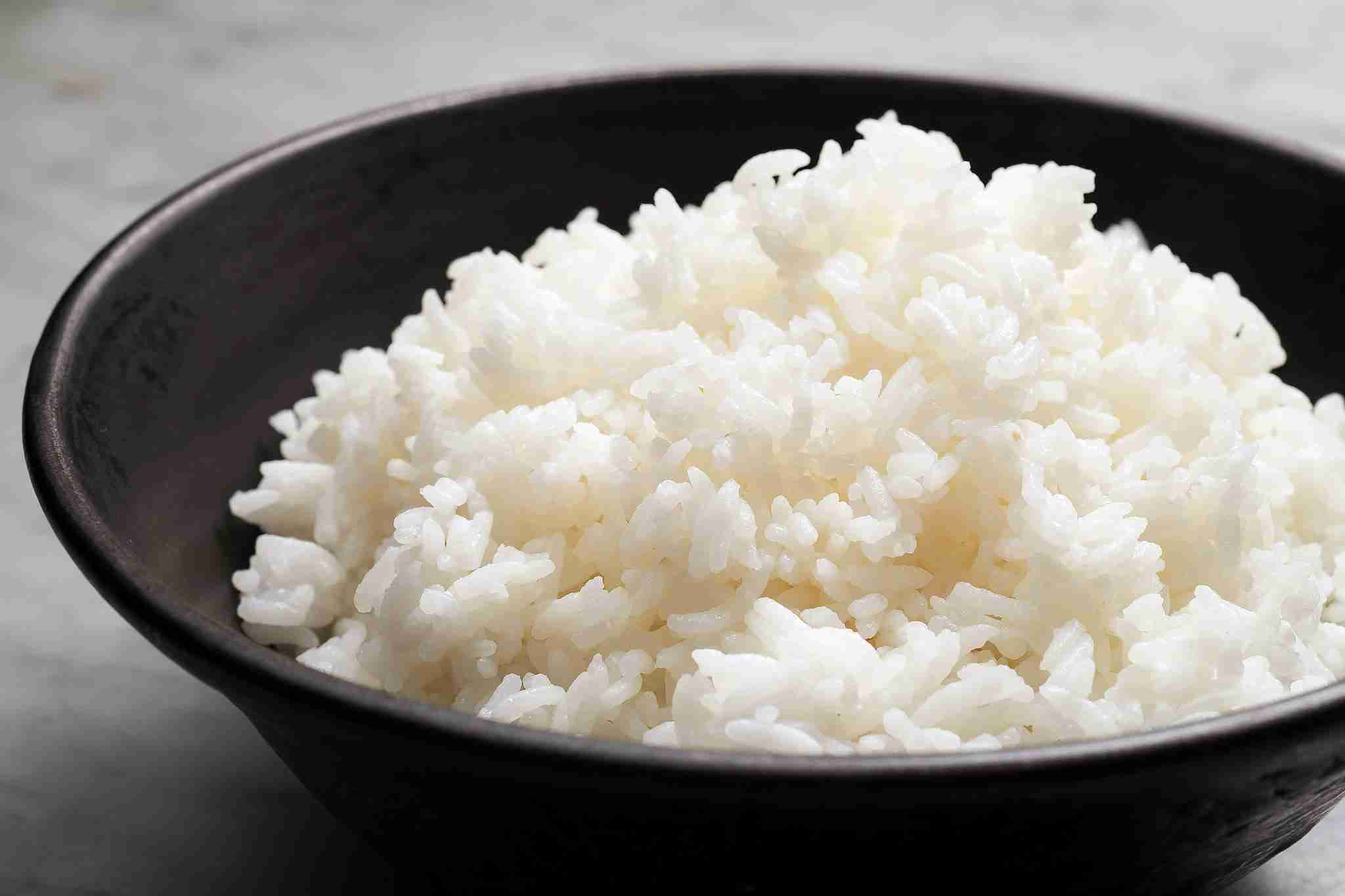
Rice polishing in Chinese cuisine is an age-old technique that has been perfected over centuries. This art form involves carefully removing the outer layer of rice grains to reveal a pearl-like finish that enhances both the flavor and texture of the rice. By polishing the rice, chefs are able to unlock the hidden potential of each grain, resulting in a dish that is not only visually appealing but also incredibly delicious.
One of the key benefits of rice polishing is the removal of impurities and excess starch from the grains. This process not only improves the taste of the rice but also results in a lighter and fluffier texture. Additionally, polishing the rice helps to increase its shelf life, making it a staple in Chinese cuisine. With each bite, diners can experience the true essence of the rice, allowing them to fully appreciate the skill and precision that goes into the art of Chinese rice milling.

Heading 3: Sustainability Practices in Modern Chinese Rice Mills
In modern Chinese rice mills, sustainability practices are at the forefront of operations. From water conservation to waste reduction, these mills are taking innovative steps to minimize their environmental impact. One key practice is the use of energy-efficient machinery that reduces electricity consumption. Additionally, many rice mills are implementing recycling programs to repurpose materials such as packaging and byproducts.
Another important aspect of sustainability in Chinese rice mills is the promotion of organic farming practices. By using natural fertilizers and pesticides, these mills are able to produce rice that is healthier for consumers and the environment. Additionally, some mills are investing in renewable energy sources such as solar panels to power their operations. Overall, these sustainability practices not only benefit the environment but also contribute to the long-term success of Chinese rice mills.
Heading 4: Selecting the Right Machinery and Equipment for Efficient Rice Processing
When it comes to Chinese rice milling, selecting the right machinery and equipment is crucial for efficient processing. From traditional stone mills to modern, high-tech machines, each plays a vital role in producing high-quality rice products. One important factor to consider is the type of rice being processed, as different varieties may require specific equipment for optimal results. Here are some key considerations when choosing machinery for rice processing:
- Capacity: Ensure the machinery can handle the desired volume of rice to meet demand.
- Quality: Look for equipment that can produce rice of consistent quality and appearance.
- Efficiency: Opt for machines that can process rice quickly and with minimal waste.
| Machinery Type | Advantages |
|---|---|
| Stone Mill | Durable and produces flavorful rice. |
| Rice Huller | Removes outer husk efficiently. |
By carefully selecting the right machinery and equipment, Chinese rice millers can optimize their operations and deliver top-quality rice products. Whether sticking to traditional methods or embracing modern technologies, the art of rice milling continues to evolve, ensuring a rich culinary tradition for generations to come.
Key Takeaways
As we wrap up our exploration of the intricate and fascinating world of Chinese rice milling, we are left with a newfound appreciation for the artistry and expertise that goes into producing this staple food. From the ancient techniques passed down through generations to the modern innovations that continue to revolutionize the industry, the art of Chinese rice milling is a blend of tradition and technology that truly embodies the essence of Chinese culture. As we reflect on the history, processes, and significance of rice milling in China, we are reminded of the countless hands and hearts that work tirelessly behind the scenes to bring this fundamental food to our tables. So next time you enjoy a bowl of perfectly cooked rice, take a moment to savor not just the taste, but the centuries of tradition and skill that have gone into every grain. Thank you for joining us on this journey through the art of Chinese rice milling.




