
In the lush fields of Southeast Asia, a quiet revolution is taking place in the age-old practice of rice milling. Gone are the days of manual labor and slow, inefficient processes. The dawn of the automatic solution has arrived, promising unprecedented efficiency and precision in the production of this staple grain. Join us on a journey into the future of rice milling, where innovation and ingenuity are reshaping an ancient tradition.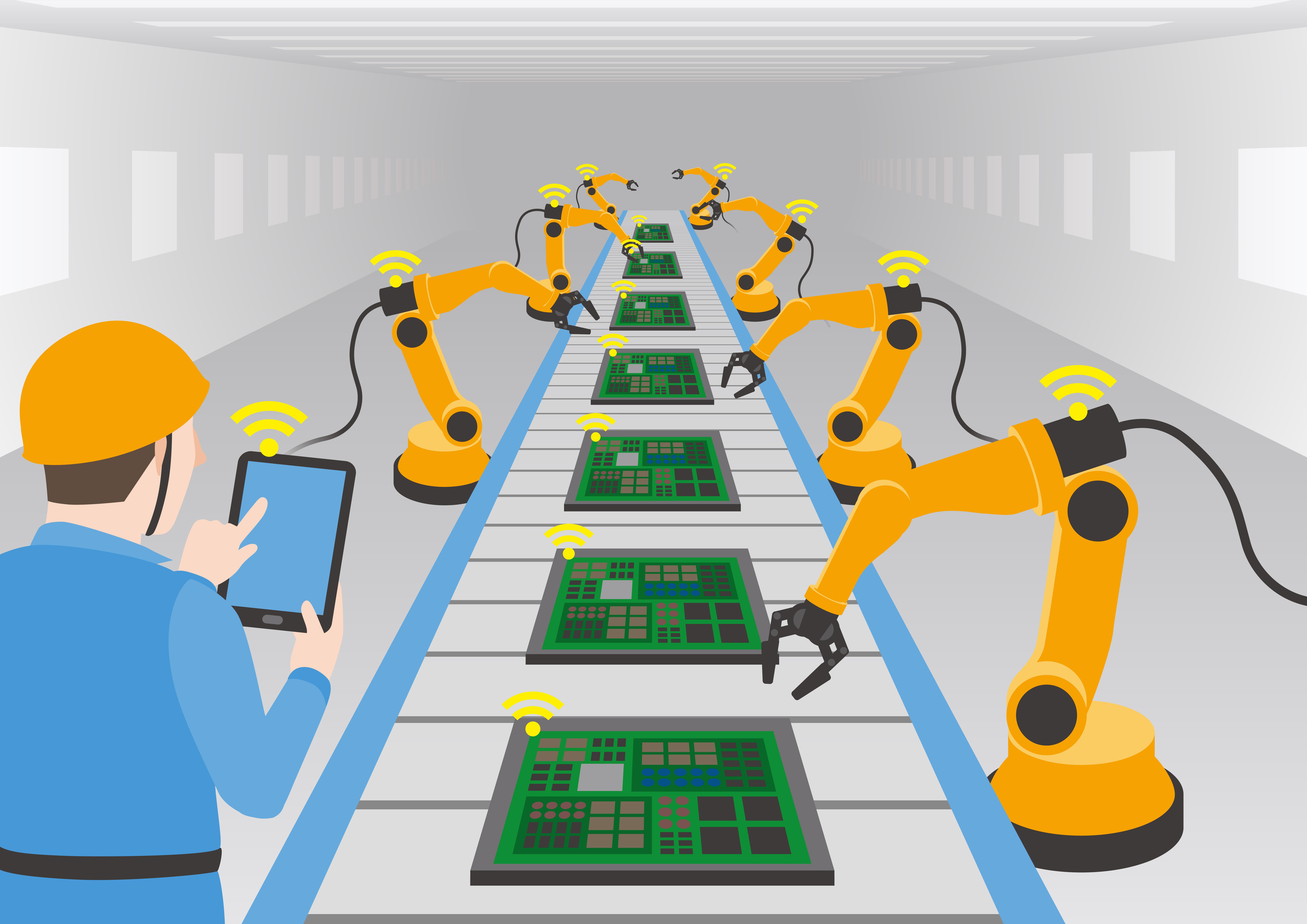
Advantages of Automated Rice Milling Technology
With the advancements in technology, automated rice milling has brought about numerous advantages that have revolutionized the industry. One of the key benefits of using automated technology is the increase in efficiency and productivity. Automated rice mills are capable of processing larger volumes of rice in a shorter amount of time compared to traditional methods, resulting in higher output levels and reduced processing time.
Another advantage of automated rice milling technology is the improvement in quality control. By automating the milling process, it is easier to maintain consistency in the quality of the final product. This ensures that the rice produced is of higher quality and meets the desired standards. Additionally, automated technology allows for better monitoring and control of the milling process, reducing the risk of errors and increasing overall efficiency.

Improving Efficiency and Quality in Rice Processing
In today’s fast-paced world, efficiency is key in every industry, including rice processing. The introduction of automatic rice milling machines has revolutionized the way rice is processed, making the entire operation faster and more streamlined. These state-of-the-art machines are equipped with advanced technologies that ensure precision and consistency in every step of the process, from cleaning and dehusking to polishing and grading.
With automatic rice milling machines, the quality of the final product is also greatly improved. These machines are designed to minimize wastage and ensure that every grain of rice processed meets the highest standards of quality. By automating the milling process, human error is reduced, leading to a more uniform and superior product. In addition, these machines are able to process a larger volume of rice in a shorter amount of time, increasing productivity and maximizing efficiency.

Key Features of Automatic Rice Milling Machines
Automatic rice milling machines are transforming the way rice is processed, offering efficient and streamlined solutions for farmers and mill owners. These machines come equipped with a range of key features that make the milling process faster, more precise, and less labor-intensive.
One of the standout features of automatic rice milling machines is their ability to adjust settings and parameters on-the-fly, ensuring optimal performance and output. Additionally, these machines are designed to be user-friendly, with intuitive controls that make operation a breeze. From paddy separation to rice polishing, these machines handle every stage of the milling process with precision and efficiency, resulting in high-quality rice that meets industry standards.
Implementing Automation for Enhanced Productivity
Rice milling has long been a labor-intensive process, requiring manual labor and a high level of expertise to achieve optimal results. However, with the advancements in automation technology, rice mills can now revolutionize their operations by implementing automatic solutions. By integrating automated systems into the milling process, companies can significantly enhance their productivity and efficiency.
One of the key benefits of automating rice milling is the ability to streamline the entire process, from seed selection to packaging. Automated systems can accurately measure and control parameters such as moisture content, temperature, and milling time, resulting in a higher quality product. Additionally, automation reduces the risk of human error and ensures consistent output. With the adoption of automatic solutions, rice mills can increase their output capacity, improve product quality, and ultimately, stay ahead of the competition in the ever-evolving food industry.
Insights and Conclusions
As we move towards a more automated future, the revolutionization of rice milling is not only streamlining processes, but also improving efficiency and productivity in the industry. The automatic solution is paving the way for a more sustainable and effective way of processing rice, ensuring that this essential staple food remains accessible to all. With advances in technology continuing to shape our world, the possibilities for innovation in rice milling are endless. Embracing the automatic solution is not just a step forward, but a leap towards a brighter future for rice production.




