
In the heart of the countryside, a quiet revolution is taking place that is changing the way we view agriculture. Auto rice mills have emerged as a game-changing technology, revolutionizing the traditional methods of processing rice. These state-of-the-art machines are transforming the way rice is milled, making the process faster, more efficient, and ultimately increasing productivity for farmers. Join us as we explore the rise of auto rice mills and their impact on the agriculture industry.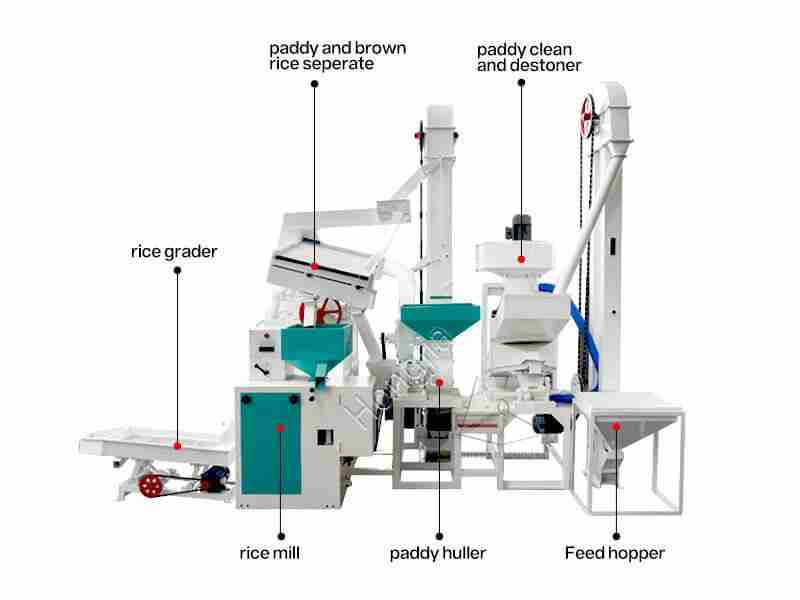
Advantages of Auto Rice Mills in Modern Agriculture
Revolutionizing Agriculture: The Rise of Auto Rice Mills
In today’s modern agriculture industry, auto rice mills have become essential tools for farmers looking to streamline their production processes. These innovative mills offer a range of advantages that have significantly improved efficiency and productivity in rice farming. One key benefit is the automation of the milling process, which allows for a more consistent and precise output compared to traditional manual methods.
Additionally, auto rice mills help reduce labor costs and increase output by processing a larger volume of rice in a shorter amount of time. This not only saves farmers time and money but also ensures a higher quality product. With the ability to control settings such as milling speed and grain size, auto rice mills empower farmers to customize their production to meet market demands and improve overall profitability.

Increasing Efficiency and Productivity Through Automation
In today’s fast-paced world, automation has become a cornerstone for increasing efficiency and productivity across various industries. One sector that has seen significant growth in automation is agriculture, with auto rice mills leading the way in revolutionizing the traditional rice milling process. These state-of-the-art mills are equipped with cutting-edge technology that allows for a seamless and streamlined production process, resulting in higher output and quality rice production.
By integrating automation into the rice milling process, farmers and mill operators are able to reduce manual labor, minimize errors, and optimize their operations. The use of advanced machinery and robotics not only speeds up the production process but also ensures a consistent and uniform quality of rice. With features such as automatic rice cleaning, destoning, husking, and polishing, auto rice mills are paving the way for a more efficient and sustainable future in agriculture.

Sustainable Practices and Environmental Benefits of Auto Rice Mills
The adoption of auto rice mills in the agricultural sector has brought about a significant shift towards sustainable practices and environmental benefits. These modern mills are equipped with advanced technology that not only increases production efficiency but also reduces waste and energy consumption. By automating the rice milling process, manual labor is minimized, leading to lower carbon emissions and a smaller environmental footprint.
One of the key environmental benefits of auto rice mills is the reduction of water usage. With precise water management systems in place, these mills use water more efficiently during the milling process, minimizing waste and conserving this valuable resource. Additionally, the byproducts of rice milling are often reused as animal feed or fertilizer, further contributing to the sustainability of the agriculture industry. Through the integration of auto rice mills, farmers are not only revolutionizing their approach to rice production but also paving the way for a more environmentally friendly future.
Future Trends and Recommendations for Implementing Auto Rice Mills
As technology continues to advance, the agricultural industry is experiencing a significant shift towards automation and efficiency. Auto rice mills are at the forefront of this revolution, streamlining the rice production process and improving overall productivity. One key trend that is shaping the future of auto rice mills is the integration of AI and machine learning algorithms to optimize milling operations. These technologies can analyze data in real-time, adjust settings, and make predictive maintenance recommendations, ultimately leading to higher yields and reduced downtime.
Additionally, there is a growing emphasis on sustainability within the agriculture sector. Auto rice mills are increasingly adopting eco-friendly practices such as utilizing renewable energy sources, implementing water-saving technologies, and reducing waste. By prioritizing sustainability, auto rice mills can not only minimize their environmental impact but also enhance their long-term viability in an increasingly competitive market. Moving forward, it is essential for auto rice mills to continue embracing innovation and sustainability to stay ahead in the ever-evolving agricultural landscape.
Future Outlook
As we witness the rise of auto rice mills revolutionizing the agriculture industry, it is evident that technological advancements are shaping the way we produce and process rice. With increased efficiency, productivity, and quality control, these modern mills are paving the way for a more sustainable and profitable future for rice farmers and consumers alike. As we embrace these changes, we look forward to a future where the traditional methods of rice milling are replaced by innovative technologies that will continue to drive progress in the agricultural sector. The rise of auto rice mills marks a new chapter in the history of rice production, and we can only anticipate the exciting developments that lie ahead in this ever-evolving industry.




