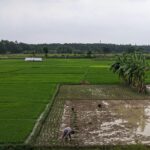
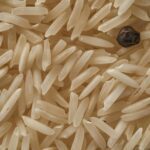
In a world increasingly focused on enduring practices and efficiency, the agriculture sector is undergoing a quiet revolution—one that promises to reshape the way we process one of humanity’s oldest staples: rice. Enter the combined mini rice mill, a compact yet powerful solution that embodies innovation and tradition. As smallholder farmers seek to enhance productivity and reduce post-harvest losses, these agile mills offer a harmonious blend of technology and accessibility. Designed to operate in tandem with local agricultural dynamics, they have quickly gained traction in rural communities, transforming the grains of today into the abundant harvests of tomorrow. This article delves into the burgeoning trend of combined mini rice mills, exploring their rise, the science behind their optimization, and the potential they unveil for food security and economic empowerment in regions where rice is more than just a meal—it’s a way of life.
The Evolution of Mini Rice Mills in Modern Agriculture
Over the years, the landscape of agriculture has been transformed by innovative solutions designed to enhance efficiency and productivity. Mini rice mills have evolved considerably, integrating advanced technology that allows farmers to streamline grain processing. Traditionally, milling was a labor-intensive task, often requiring large machinery and extensive floor space. However,the advent of combined mini rice mills has revolutionized this process,making it more accessible to smallholder farmers and rural communities. These compact machines not only mill rice but also incorporate additional features that enable the processing of other grains, creating a multifunctional tool that maximizes utility and reduces costs.
In recent developments, several features have emerged that exemplify the evolution of these mills. Key enhancements include energy efficiency, automatic operation, and improved yield rates. Modern mini rice mills are designed to minimize wastage and optimize output, allowing farmers to retain more value from their harvest. Farmers can now benefit from:
- Compact designs suitable for small farms
- Automated controls that reduce manual labor and increase productivity
- Multi-grain capabilities for diverse agricultural practices
By adapting to the specific needs of local farmers, these mills support a more sustainable approach to agriculture and help bridge the gap between large-scale production and smallholder viability.
| Feature | Traditional Mills | Mini Combined Mills |
|---|---|---|
| Size | Large and bulky | Compact and portable |
| Maintenance | High | Low |
| Grain Variety | Primarily rice | Multiple grains |
| Energy Consumption | High | Efficient |
Addressing Nutritional Needs through Enhanced Grain Processing
In recent years, the nutritional needs of populations have gained significant attention, leading to innovative approaches in grain processing. Enhanced grain processing techniques, particularly through the use of combined mini rice mills, have revolutionized how we fortify staple foods. These mills are designed to retain the essential nutrients found in rice, such as vitamins, minerals, and dietary fibers, while eliminating harmful husks and contaminants. The benefits of this advanced processing include:
- Improved Nutrient Retention: Advanced milling technology minimizes nutrient loss during processing.
- Enhanced Accessibility: Smaller mills can be established in rural areas, decreasing transportation costs and increasing local food security.
- Customized Fortification: Local producers can tailor fortified grains to meet specific community health needs.
Furthermore, the integration of these mini rice mills goes beyond simple production; they also serve as hubs of community engagement and education around nutrition. Workshops can be held in conjunction with these facilities, educating farmers and consumers about the importance of whole grains and nutrient diversity in their diets. The potential to benefit public health is profound, as increased accessibility to fortified grains can lead to:
| Health Benefits | Impact on Communities |
|---|---|
| Reduction in nutrient deficiencies | Greater workforce productivity |
| Improved child growth and development | Better overall community health |
| Enhanced food security | Increased economic stability |
Sustainable Practices: The Environmental Benefits of Combined Mini Rice Mills
In recent years, the agricultural sector has increasingly focused on sustainability, and combined mini rice mills are at the forefront of this evolution. These compact milling units not only streamline the processing of rice but also significantly reduce the carbon footprint associated with traditional milling methods. By integrating milling, husking, and polishing processes into a single machine, these mills minimize energy consumption and waste production.Key environmental benefits include:
- Lower Energy Usage: by operating more efficiently, mini rice mills reduce the reliance on electricity and diesel fuel.
- Reduced Waste: With less equipment and fewer processes, waste materials such as husks and broken grains can be recycled or repurposed.
- Water Conservation: the design of combined mills minimizes water use, preserving this vital resource in rice production.
Moreover, these mini mills empower local farmers and producers, fostering community-based agricultural practices that emphasize resource conservation. By supporting small-scale operations, the combined mills encourage biodiversity and promote sustainable farming techniques. Consequently, the ecosystem benefits from enhanced soil health and reduced chemical inputs. Their benefits can be summarized in the following table:
| Feature | Impact |
|---|---|
| Energy Efficient | Lower carbon emissions |
| Waste Minimization | Recycling of by-products |
| Local Empowerment | Stronger community ties |
Maximizing Efficiency: Key Technologies and Innovations in Grain Optimization
Recent advancements have propelled the agricultural sector into a new era of innovation, particularly in grain processing technologies. Mini rice mills are now at the forefront, blending compact design with efficiency to offer farmers significant advantages. These mills not only save space but also enhance the quality of rice produced,promoting higher market prices. The incorporation of automation and smart technology into these mills supports precise control over milling parameters, thus optimizing the grain output. Key features include:
- Energy Efficiency: Reduced power consumption allows for lower operational costs.
- Portability: Small footprint and easy mobility enable usage in different farming contexts.
- User-Kind Interfaces: Simplified controls facilitate use by a wider range of operators.
In addition to mini mills,innovative sensors and IoT technologies are transforming grain handling and storage. These tools enable farmers to monitor grain conditions in real-time, thus preventing spoilage and ensuring optimal storage environments. A recent comparison highlights the efficiency of integrated systems versus traditional methods:
| system Type | Time Efficiency | Cost Efficiency | Quality Control |
|---|---|---|---|
| Traditional Systems | Medium | High Initial Costs | Manual Oversight Required |
| Integrated Mini Mills | High | Long-Term Savings | Automated Monitoring |
In Retrospect
As we embrace the future of food production, the rise of combined mini rice mills stands out as a beacon of innovation and efficiency. These compact powerhouses not only streamline the milling process but also empower local communities by providing accessible technology that supports sustainable agriculture. The journey toward optimizing grains is not just about increasing yield; it’s about fostering resilience in the face of a changing world. As we move forward,it’s clear that these mini mills represent more than just a trend—they signify a transformative shift in how we approach food security,economic stability,and environmental sustainability. In the delicate balance between tradition and modernity, the combined mini rice mill may well pave the way for a more nourished future. As we venture into this new era, may we harness these advancements with thoughtfulness and responsibility, ensuring that every grain tells a story of progress and promise for generations to come.