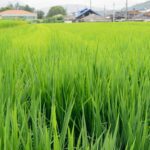
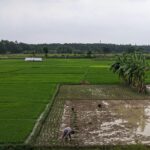
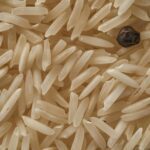
In the heart of countless Chinese villages, where the rhythmic sounds of nature unfold a story woven through generations, lies a tradition that has shaped the culinary landscape of the nation: rice milling. Celebrated as an art form as much as a practical process, Chinese rice milling is a delicate dance between time-honored techniques adn the relentless march of modernization. This age-old craft transforms golden grains into the staple food that has sustained and nourished families for millennia. As we delve into the intricate world of rice milling, we uncover the symbiotic relationship between culture and agriculture, where each husk removed and grain polished carries with it the whispers of ancestral wisdom. Join us on a journey to explore the significance,methods,and nuances of this essential practice,illuminating not only the physical act of milling rice but also the rich tapestry of tradition that surrounds it.
The Cultural Significance of Rice in Chinese Heritage
Throughout Chinese history, rice has transcended its role as a basic staple food, embodying profound cultural significance. It serves not merely as sustenance but as a symbol of fertility, prosperity, and life itself. Celebrated in festivals and rituals, rice is often used in customary dishes that mark significant life events such as weddings and birthdays. The act of sharing a bowl of rice signifies unity and familial bonds,reinforcing relationships and fostering community. In ancient texts, rice is mentioned as a vital element in agricultural practices that shaped Chinese civilization, reflecting the harmonious relationship between nature and society.
The milling process of rice is an art form that reflects generations of craftsmanship and knowledge passed down through families and communities. Millers rely on traditional techniques, frequently enough using stone mills or wooden mortars, to preserve the integrity and flavour of this vital grain. The craftsmanship involved in rice milling is a meticulous process that requires both skill and patience, ensuring that each grain is polished to perfection while retaining its nutritional benefits. Furthermore, regional varieties of rice bring unique flavors and culinary practices that differ across China, showcasing the diverse cultural landscape. For example, the use of sticky rice in southern China contrasts sharply with the long-grain varieties favored in the north, illustrating how geography shapes dietary customs.
Mastering the Craft: Techniques and Equipment in Rice Milling
The process of rice milling is a delicate dance of tradition and innovation, where every technique and piece of equipment plays a crucial role in preserving the integrity of the grain. At the forefront of this process is the hulling machine, designed to remove the outer husk while ensuring that the precious kernel remains intact. This stage is pivotal, as it impacts both the yield and quality of the rice. Other vital tools include polishing machines,which enhance the rice’s appearance and texture,giving it that glossy finish that is so visually appealing on the dinner table. Additionally, the separator works diligently to sift through and remove any impurities or broken grains, resulting in a product that meets the high standards of consumers.
equally significant are the techniques employed during the milling process. Temperature control is essential, as excessive heat can damage the rice. Operators often monitor the conditions closely, ensuring that the grains are treated gently throughout milling to preserve their flavor and nutritional value. A collaborative approach is commonly adopted, where skilled millers work in tandem with modern technology to refine their craft. This synergy not only enhances productivity but also pays homage to centuries-old practices passed down through generations. through butterfly milling, as an example, the rice is crafted gently, allowing a balance of yield and quality, embodying the very essence of tradition amidst a backdrop of technological advancement.
Sustainable Practices in Traditional Rice Processing
Traditional rice processing in china embodies a harmonious blend of culture and sustainability,where age-old techniques align with modern principles of environmental stewardship. The practices employed throughout the milling process not only preserve the integrity of the grain but also minimize waste and energy consumption. For instance, the utilization of husk and straw as bioproducts serves multiple purposes. these by-products can be transformed into organic fertilizers,animal bedding,or biomass for energy,fostering a closed-loop system. The emphasis on manual labor over mechanization not only preserves employment in rural communities but also reduces carbon footprints typically associated with industrial milling.
Moreover, many traditional rice mills are designed with sustainability in mind, integrating natural resources to enhance efficiency. The harnessing of solar energy for drying newly harvested rice and the use of water mills in appropriate locales exemplify how traditional knowledge can harmonize with ecological concerns. Below is a brief overview of some sustainable practices utilized in traditional rice processing:
| Practice | Description |
| Manual Threshing | Minimizes machinery usage, reducing fossil fuel dependence. |
| Natural Drying | Utilizes sunlight for drying, cutting down on energy consumption. |
| Composting | Converts husks and stalks into nutrient-rich compost for soil health. |
| Water Conservation | Employs traditional irrigation methods that use less water. |
Elevating Quality: Tips for Optimal Rice Storage and Preparation
To truly honor the art of rice milling, one must understand the significance of proper storage and preparation techniques. Begin by selecting a cool, dry place for storage, ideally in an airtight container to prevent moisture absorption and deterioration. Consider using glass jars or BPA-free plastic bins, which not only protect the rice but also allow you to monitor its freshness visually. Avoid storing rice near strong odors or in direct sunlight, as these factors can compromise its flavor. The ideal temperature for storing rice is below 70°F (21°C), ensuring that your grains remain in perfect condition for cooking.
When it comes to preparation,the method of cleaning and cooking rice is essential for achieving the perfect texture. Rinsing rice prior to cooking helps eliminate excess starch, resulting in separate, fluffy grains. Use the right water-to-rice ratio, typically 1.5 to 2 cups of water for every cup of rice, depending on the type of rice you’re cooking. Experiment with various cooking methods, such as steaming or boiling, to elevate the final dish. Here’s a simple overview of common rice varieties and their cooking times:
| Rice variety | Cooking Time | Water ratio |
|---|---|---|
| White Rice | 15-20 minutes | 1.5 cups |
| Brown Rice | 40-45 minutes | 2 cups |
| jasmine Rice | 15-20 minutes | 1.5 cups |
| Sticky Rice | 30-45 minutes | 1.25 cups |
In Conclusion
As we close the chapter on the rich tapestry of Chinese rice milling, we are reminded that this age-old practice is more than just a means to an end; it is a celebration of heritage, resilience, and innovation. From the gentle swish of water as it transforms paddy into polished grains to the rhythmic hum of machinery, every aspect of rice milling tells a story woven into the fabric of Chinese culture.
Harvesting tradition is not merely about preserving techniques of the past; it is indeed about embracing the evolution of these practices while maintaining their core essence. The art of rice milling honors the hard work of countless generations who have cultivated the land, celebrated the harvest, and shared the fruits of their labor with the world.
As technology continues to reshape the landscape of agriculture, the spirit of traditional rice milling remains a vital thread, uniting communities and nourishing the body and soul. Whether in a bustling urban center or a quiet rural hamlet, the allure of perfectly milled rice continues to inspire chefs, families, and food enthusiasts alike.
In appreciating the intricate dance between tradition and modernity, we gain a deeper understanding of not only the grain on our tables but also the cultural significance it holds. As we savor each bite, let us also honor the craft and the stories behind every kernel, ensuring that the art of Chinese rice milling flourishes for generations to come.