
In the heart of rural landscapes, where golden fields sway gently in the breeze, a quiet revolution is taking root. Small rice mills, once overshadowed by their larger counterparts, are emerging as vital players in the agricultural arena. As demand for locally sourced, high-quality rice surges, these mills are not only reshaping the economy of their communities but also redefining the landscape of grain processing. Far from mere processing facilities, these small-scale enterprises represent a fusion of tradition and innovation, harnessing the potential of local resources while providing employment and supporting farmers. This article delves into the rise of small rice mills, exploring how they are empowering farmers, enhancing food security, and cultivating sustainability in an ever-evolving agricultural sector. Join us as we uncover the stories and insights behind this grassroots movement that promises a brighter future for both producers and consumers alike.
Emerging Opportunities in Local Rice Production
The resurgence of local rice production is not just a trend; it’s a revolution in agriculture that is reshaping rural economies. In recent years, small rice mills have emerged as crucial players, empowering local farmers and enhancing efficiency. These mills are not only providing farmers with the means to process their harvests but are also creating a ripple effect that benefits entire communities. With growing consumer demand for locally sourced products, small mills are positioned to capitalize on this shift by offering fresher, unadulterated rice while supporting sustainable farming practices.
Investing in small-scale rice milling operations yields numerous advantages, including:
- Improved Crop Quality: Small mills ensure minimal processing time, preserving the nutritional integrity of the rice.
- Increased Profit Margins: Farmers who mill their rice can sell directly to consumers, bypassing middlemen and maximizing their earnings.
- Greater Local Employment: These mills create jobs in rural areas, fostering economic growth and community resilience.
To illustrate the impact of small rice mills, consider a comparison of traditional vs. small-scale milling:
| Aspect | Traditional Milling | Small-Scale Milling |
|---|---|---|
| Processing Time | Longer | Shorter |
| Cost to Farmers | Higher | Lower |
| Environmental Impact | Higher | Lower |
By harnessing modern technology while respecting traditional practices, small rice mills are not merely enhancing productivity; they are cultivating a spirit of collaboration among farmers and fostering pride in locally produced goods. This wave of opportunity is not just about rice; it’s about creating a sustainable future for farming communities.
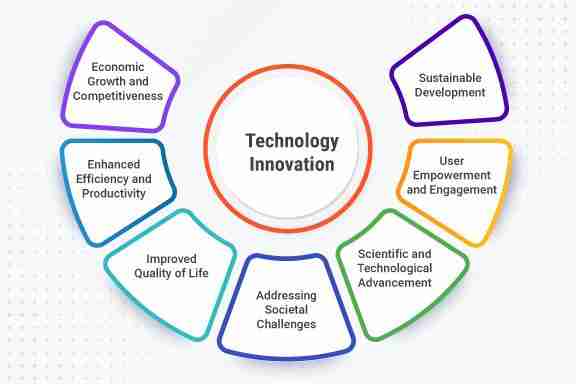
Technological Innovations Transforming Small Scale Mills
Small scale mills have long been the backbone of rural economies, but recent technological advancements are radically altering their landscape. Smart milling machines equipped with sensors and AI-driven software are optimizing grain processing, allowing these mills to operate with precision and efficiency. These innovations facilitate enhanced control over the milling process, significantly improving product quality while reducing waste. Incorporating automation into small scale mills not only speeds up production but also mitigates labor challenges faced by many rural communities.
Furthermore, embracing renewable energy solutions is another notable transformation. Solar panels and bioenergy systems are being increasingly adopted, providing a sustainable energy source that reduces operational costs. These eco-friendly alternatives empower small rice mills to be self-sufficient while also appealing to environmentally-conscious consumers. Below is a table showcasing some of the cutting-edge technologies being implemented:
| Technology | Benefits |
|---|---|
| AI-Driven Milling | Optimizes processing, improves quality |
| Automation | Speeds up production, reduces labor needs |
| Renewable Energy Systems | Reduces costs, boosts sustainability |
| IoT Connectivity | Real-time monitoring for efficiency |

Sustainable Practices and Their Economic Impact
In the evolving landscape of agriculture, small rice mills are emerging as beacons of sustainable practices that not only enhance production efficiency but also bolster local economies. By incorporating environmentally friendly techniques, these mills reduce their carbon footprint, promote biodiversity, and utilize renewable resources. The adoption of water-efficient technologies, integrated pest management, and organic farming methods contributes to healthier ecosystems and ensures that rice cultivation aligns with the principles of sustainability. As these mills prioritize eco-conscious operations, they also provide farmers with fairer trade practices, creating a more just and equitable market for smallholders.
The economic impact of these sustainable practices is profound, creating ripple effects that foster local community development and resilience. Small rice mills often source grains directly from local farmers, which keeps profits within the community and supports local agriculture. This model can lead to substantial job creation in both the milling and cultivation sectors, as shown in the table below:
| Impact Area | Outcome |
|---|---|
| Job Creation | 30% increase in local employment |
| Income Growth | 15% rise in farmer incomes |
| Investment in Community Services | Enhanced access to education and healthcare |
Furthermore, the diversification of income sources through value-added products, such as brown rice and rice bran oil, enables these mills to thrive economically while simultaneously preserving traditional agricultural practices. By fostering an environment where sustainability is not just a goal but a viable business strategy, small rice mills are poised to become pivotal players in the quest for resilient agricultural systems that benefit both the planet and the economy.
Strategies for Success: Navigating the Market Landscape
To effectively navigate the evolving market landscape, small rice mills need to adopt a mix of innovative practices and strategic planning. Embracing technology, such as automated processing systems, can significantly enhance operational efficiency, reducing labor costs and increasing output quality. Furthermore, understanding consumer preferences is crucial; mills should focus on producing non-GMO and organic rice varieties to meet the growing demand for healthier options. Some imperative strategies include:
- Market Research: Regularly analyze trends in consumer behavior and preferences.
- Collaboration: Partner with local farmers to ensure a consistent supply of high-quality raw materials.
- Branding: Create a strong brand identity that reflects sustainability and quality.
Effective distribution channels will also play a pivotal role in the success of small rice mills. Establishing relationships with local grocery stores, food cooperatives, and online marketplaces can broaden market reach and drive sales. Additionally, implementing a robust marketing strategy that utilizes social media platforms can enhance visibility and engage with customers directly. A few key aspects include:
- Social Media Engagement: Utilize platforms like Instagram and Facebook to showcase products and share recipes.
- Community Involvement: Participate in local events and farmers’ markets to build a loyal customer base.
- Feedback Mechanisms: Encourage customer reviews and feedback to improve product offerings continuously.
Key Takeaways
As we bid farewell to our exploration of the burgeoning world of small rice mills, it’s clear that this grassroots movement is reshaping not only the agricultural landscape but also the lives of countless farmers and communities. From empowering local economies to enhancing the quality of rice production, these mills symbolize a shift towards sustainable practices that cherish tradition while embracing innovation. As we witness this evolution continue, it’s imperative for us to recognize the potential that lies in local enterprises and the profound impact they can have on food security and economic resilience. The harvest of today is not simply measured in grains, but in the promise of a more equitable future—one where every small mill holds the key to unlocking new opportunities. As the sun sets on this chapter, we look forward to the stories yet to unfold in the vibrant tapestry of rice cultivation, with small mills leading the way.




