In the lush expanse of verdant paddies, an age-old dance unfolds—one that transforms humble grains into the cornerstone of diets across the globe. Rice, a staple nourishing billions, undergoes a meticulous journey from field to table, where the art and science of milling play pivotal roles. “Harvesting Efficiency: The Art and science of Rice Milling” delves into the intricate processes that elevate raw harvests into finely polished grains, ready to grace plates in homes and restaurants alike. This exploration invites readers to appreciate the balance of tradition and technology, unraveling the complexities of milling techniques that maximize yield, enhance quality, and minimize waste. From the rhythmic clatter of machinery to the careful calibration of moisture, each aspect of rice milling reveals a engaging interplay between nature and innovation, where efficiency is not merely a goal, but a craft honed over generations. Join us as we journey into the heart of this vital industry, uncovering the secrets behind the grain that feeds the world.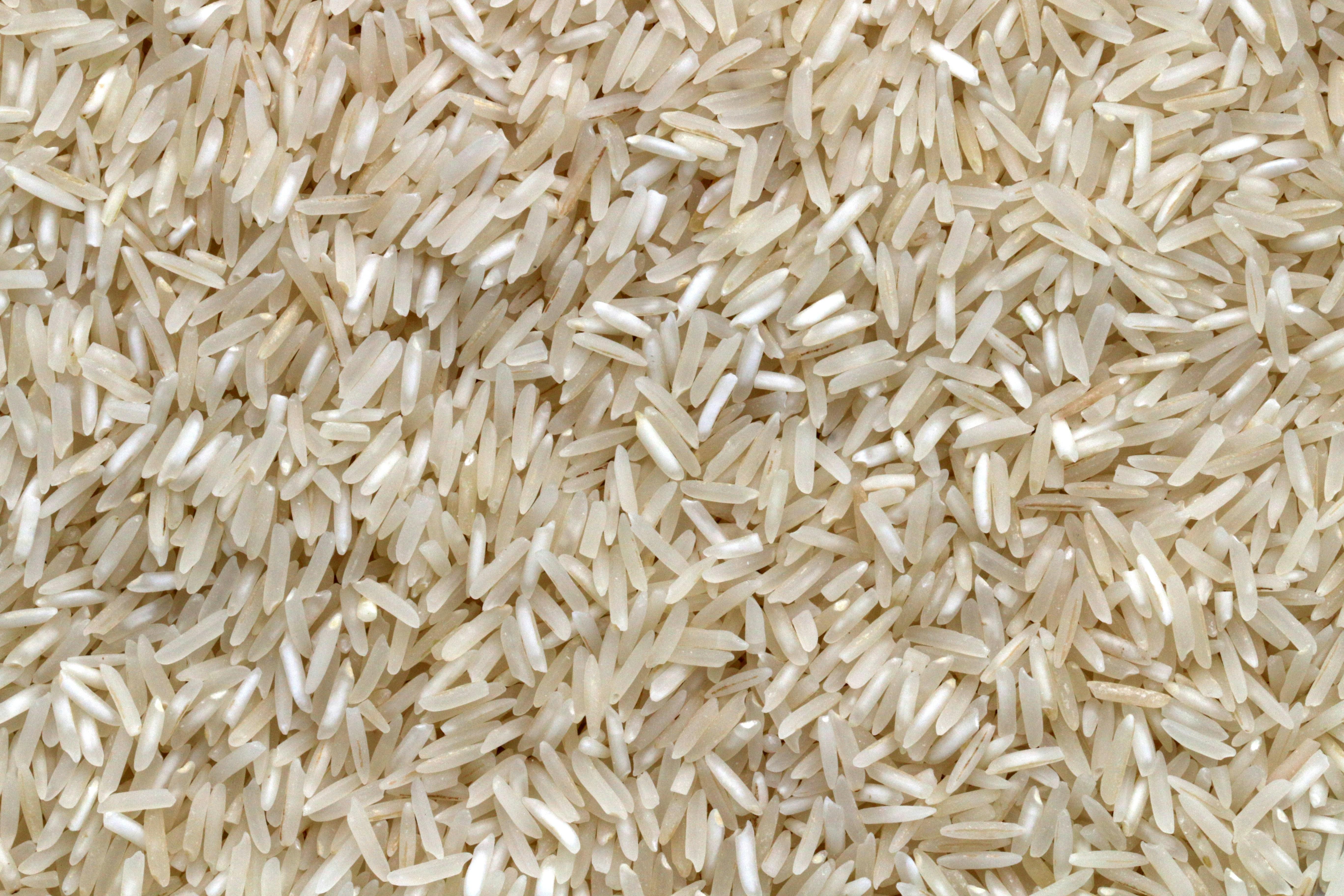
Understanding the Rice Milling Process: An Overview of Techniques and Technologies
The rice milling process is a vital step in transforming harvested rice into the polished grains consumers recognize and prefer. This intricate journey begins instantly after the rice is harvested, where the primary objective is to separate the edible grain from the inedible husk. Essential techniques in this process include dehulling, wherein the outer husk is removed, followed by milling, which polishes the grain to enhance its appearance and texture. Advanced technologies like mechanical hullers and high-efficiency rice mills have revolutionized customary milling methods,offering greater output with less damage to the rice,exemplifying the blend of art and science in achieving optimal results.
Moreover, the efficiency of rice milling heavily relies on selecting the right equipment and process parameters. Key factors influencing the overall effectiveness include the moisture content of the grain,the type of milling machinery used,and the milling duration. Modern rice mills can be categorized into several types based on their operation and energy consumption: traditional mills, modern automated mills, and mini rice mills. Each type has its unique advantages that cater to various production scales and operational cost considerations. Understanding these factors plays a crucial role in ensuring high yield and quality in the finished product.

Optimizing Harvest Timing: The Key to Quality Yield and Milling Efficiency
Timing is crucial when it comes to harvesting rice, as it directly impacts both the quality of the grain and the efficiency of the milling process. Understanding the optimal moisture content is essential, as harvesting too early or too late can lead to subpar yields. Farmers must monitor weather patterns and use moisture meters to determine the ideal windows for harvesting, ensuring that grains are neither too wet nor too dry. This meticulous planning aids in reducing losses during the milling stage, resulting in better overall quality.
Moreover, implementing cutting-edge technology can substantially enhance precision in harvest timing. Automated systems equipped with sensors can provide real-time data on crop conditions, allowing growers to make informed decisions. Factors to consider include:
- Grain color: Optimal coloration indicates ripeness.
- Field conditions: Assess soil moisture and pest presence.
- Crop variety: Different rice strains may require varied timing.
By intertwining traditional knowledge with modern technology, farmers can fine-tune their harvest strategies, leading to increased milling efficiency and superior product quality. Below is a simple table that showcases the recommended moisture levels for different rice varieties, highlighting their ideal harvesting windows:
| Rice Variety | Ideal Moisture Content (%) | Harvest Window (Days after Flowering) |
|---|---|---|
| IR64 | 20-24 | 110-120 |
| Jasmine | 18-22 | 100-110 |
| Basmati | 19-23 | 120-130 |
Enhancing Post-Harvest Practices: Storage, Drying, and Quality Control Strategies
To maximize the value of harvested rice, meticulous attention to post-harvest practices is essential. Proper storage conditions can prevent spoilage and maintain the quality of the grain until it reaches consumers. Some key strategies include:
- Controlled Temperature: Implementing cool and dry storage environments can significantly lower the risk of pest infestations and mold growth.
- Sealed Containers: Utilizing airtight bags or containers helps to protect the grains from environmental factors while also preventing moisture absorption.
- Pest Management: Regular monitoring for pests and using recommended organic methods can ensure that the quality of rice remains uncompromised.
In addition to effective storage, drying rice to optimal moisture content is crucial for maintaining its quality. Moisture levels should ideally be kept below 14% to stave off decay and enhance shelf life. Here’s a concise overview of essential drying practices:
| Drying Method | Advantages |
|---|---|
| Natural Sun Drying | Cost-effective and energy-efficient. |
| Mechanical Drying | Offers consistency and faster processing times. |
| Hybrid Systems | Combines both methods for optimal quality control. |
implementing rigorous quality control strategies can deliver a product truly deserving of the market’s trust. This includes thorough inspection processes at various stages of storage and milling,ensuring that every grain meets quality standards before it reaches consumers. By enhancing these post-harvest practices, the rice industry can contribute not only to sustaining the livelihood of farmers but also to meeting the growing global demand for quality grains.
Innovative Milling Technologies: Investing in Modern Solutions for Increased Productivity
in the realm of rice milling, the integration of cutting-edge technologies has revolutionized traditional practices, leading to notable enhancements in efficiency and output quality. Modern milling equipment, equipped with advanced automation and control systems, allows processors to optimize production processes with precision. By leveraging smart sensors and data analytics, these machines can monitor moisture levels, grain hardness, and even ancient performance metrics, ensuring each batch is milled to perfection. The shift towards sustainable practices is also noteworthy, with energy-efficient machinery reducing overall operational costs and minimizing environmental impact.
| Technology | Description | Benefits |
|---|---|---|
| Automated Rice Furnaces | Furnaces that adjust heat levels based on real-time metrics | Improved grain quality and reduced fuel consumption |
| Laser Sorters | Machines that use lasers to detect and separate grains | Higher purity and reduced waste of the final product |
| Data-Driven Milling | Utilization of software for optimizing milling parameters | increased yield and lower operational costs |
This fusion of technology and traditional expertise not only paves the way for more consistent outcomes but also helps improve the quality of the end product. The increasing reliance on internet-connected devices has opened avenues for remote monitoring and troubleshooting, allowing mill operators to respond to issues promptly and maintain uninterrupted operations. Moreover, investing in these modern solutions equips milling facilities to adapt to fluctuating market demands and changing consumer preferences, ultimately driving their competitive edge in a dynamic agricultural landscape.
Future outlook
As the sun sets over the golden fields, painting the horizon in hues of amber and crimson, the intricate dance of rice milling comes to a close. Here, in the delicate balance between art and science, we find the essence of harvesting efficiency.The careful selection of milling techniques, the embrace of technological advancements, and the timeless skills passed down through generations culminate in the transformation of humble grains into the lifeblood of countless meals around the world.
Reflecting on the journey from field to plate, it becomes clear that each step in the process is a vital thread in the tapestry of agriculture. By marrying traditional practices with modern innovations, rice milling not only safeguards the quality of the grain but also contributes significantly to sustainability and food security. The lessons gleaned from this old-world practice invite us to reconsider our relationship with the food we consume and the systems we employ to bring it to life.
As we look toward the future,the quest for harvesting efficiency will undoubtedly evolve. The collaboration of farmers, millers, and technologists holds promise for innovations yet to come, ensuring that rice continues to nourish communities while respecting the land that yields it. Ultimately, the story of rice milling is not just about maximizing output; it’s about honoring the roots of our sustenance and cultivating a deeper recognition for the labor and ingenuity that feed the world. With every bowl of rice served, we partake in a legacy both rich and ripe, reminding us that each grain carries the potential of tomorrow.