
Harvest to Table: The Journey of Rice through Mills
Rice: a humble grain that has fed billions for centuries, serving as a staple in kitchens worldwide. Yet, behind the comforting presence of a warm bowl of rice lies an extraordinary journey, one that begins in verdant rice paddies and winds its way through the intricate processes of milling before finally gracing our tables. In this exploration, we will trace the metamorphosis of rice from its harvest in gleaming fields to its transformation into the familiar grains that accompany our meals. With each stage—harvesting, drying, milling, and packaging—this journey reveals not only the technical craftsmanship involved but also the cultural significance rooted in rice production. Join us as we delve into the fascinating world of rice processing, a journey that encapsulates tradition, innovation, and the relentless pursuit of quality.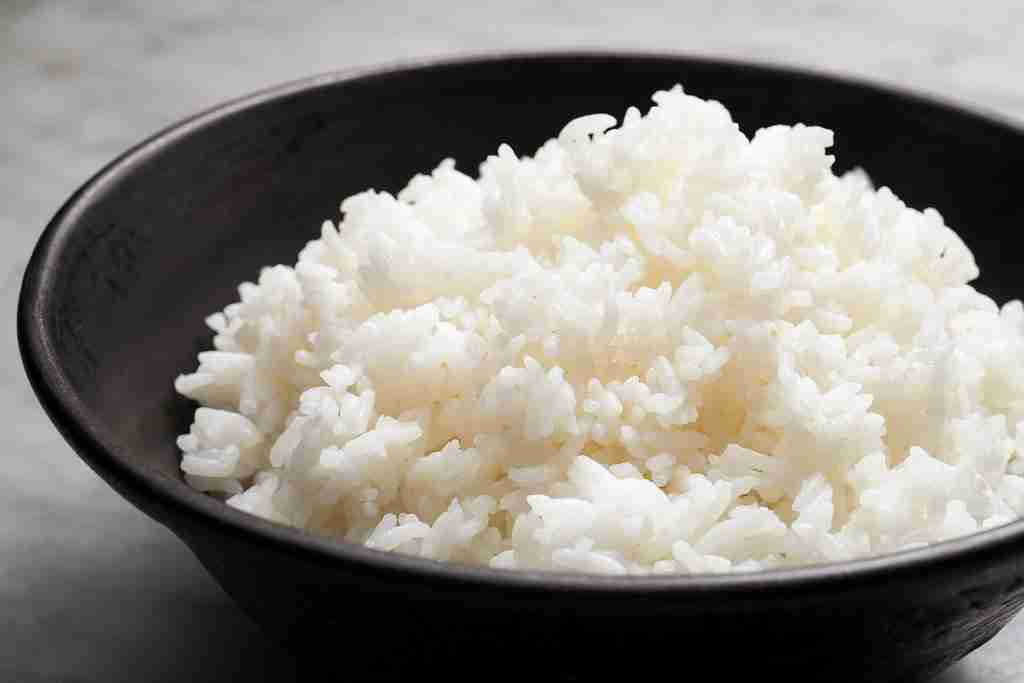
Understanding Rice Varieties and Their Unique Harvesting Techniques
In the diverse world of rice cultivation, understanding the various rice varieties is crucial, as each type exhibits unique characteristics that influence its cultivation and harvesting methods. For instance, Jasmine rice, known for its fragrant aroma and soft texture, requires careful handling during harvest to preserve its delicate grains. Conversely, Arborio rice, the basis for creamy risottos, has a higher starch content that necessitates specific drying techniques post-harvest to enhance its culinary attributes. Common rice varieties include:
- Basmati – Long-grain, aromatic, primarily cultivated in the Himalayas.
- Sushi rice - Short-grain, sticky variety, perfect for Japanese cuisine.
- Brown rice – Whole grain, retains bran and germ layers, offers more nutrients.
Harvesting techniques for each rice variety are tailored to its needs, ensuring optimal yield and quality. For instance, mechanical harvesters are common for large-scale cultivations, effectively reducing labor and time, whereas hand-harvesting remains prevalent for specialty varieties like organic Jasmine rice, allowing farmers to select only the ripest grains. Moreover, timing is critical; for example, harvesting at the right moisture level prevents spoilage and additional losses. Here’s a look at some key harvesting methods:
| Harvesting Method | Best For | Advantages |
|---|---|---|
| Manual | High-value varieties | Selective harvesting enhances quality |
| Mechanical | Large-scale production | Time-efficient, reduces labor costs |
| Shearing | Specific climate regions | Presents less ground disturbance |

The Milling Process: Transforming Harvested Grain into Market-Ready Rice
The journey from the vast fields of harvested grain to market-ready rice is a meticulous process steeped in tradition and innovation. Once harvested, the rice undergoes threshing, a procedure that separates the grain from the stalks. This is often followed by drying, ensuring that moisture content is reduced to optimal levels to stave off spoilage during storage. The next phase, milling, involves several key operations that refine the rough grain into the polished white rice that consumers recognize. It includes:
- Hulling: Removing the outer husk from the rice grain.
- Brown Rice Milling: Polishing the grain to remove the bran layer, resulting in brown rice.
- White Rice Milling: Further polishing to achieve the pristine, shiny appearance of white rice.
Throughout this transformation, various quality control measures are implemented to ensure that only the finest grains make it to market. Milling facilities leverage advanced technology and machinery to increase efficiency while preserving the nutritional quality of the grain. A typical milling process may vary, yet it often follows this sequence:
| Step | Description |
|---|---|
| 1. Cleaning | Removing debris and impurities from the harvested rice. |
| 2. Dehulling | Separating the brown rice from its husk. |
| 3. Polishing | Enhancing the appearance of the rice and improving shelf life. |
| 4. Grading | Sorting rice based on quality, size, and color. |
| 5. Packaging | Sealing the rice in airtight bags to maintain freshness. |
Exploring Sustainability in Rice Production and Milling Practices
The journey of rice from the field to the table is not just about cultivation; it encompasses a myriad of practices that prioritize the well-being of both the environment and the communities involved. Sustainable rice production begins at the source, where farmers adopt techniques that minimize chemical inputs and maximize biodiversity. These practices may include:
- Crop rotation: Diversifying the crop cycle to enhance soil health.
- Integrated pest management: Using natural predators to control pests.
- Water management: Implementing efficient irrigation systems to conserve water.
- Organic farming: Utilizing organic fertilizers to maintain soil fertility.
After harvest, the milling process must also align with sustainability principles. Modern mills are increasingly adopting energy-efficient technologies that not only reduce carbon footprints but also improve product quality. Key practices in sustainable milling include:
| Sustainable Milling Practices | Benefits |
|---|---|
| Use of renewable energy sources | Reduces dependency on fossil fuels |
| Waste valorization | Transforms by-products into valuable resources |
| Water recycling systems | Minimizes water wastage |
| Efficient logistics | Decreases transportation emissions |
These practices not only optimize the quality of rice but also foster a sustainable relationship between agriculture and the environment. By addressing both production and milling, the rice industry can not only sustain but also elevate the communities that rely on it, ensuring healthier ecosystems and economies now and for future generations.
From Field to Fork: Ensuring Quality and Freshness in Rice Distribution
The journey of rice begins long before it reaches the consumer’s plate; it starts at the field, where careful cultivation practices ensure the grain grows robust and healthy. Farmers leverage traditional techniques alongside modern agronomy to produce high-quality rice varieties. As the grains are harvested, timeliness is key—delays can compromise both the quality and taste. The grains must be dried adequately to prevent spoilage, ensuring the moisture content is just right before being transported to processing mills. Regular checks and balances maintain this quality, as rice undergoes a rigorous evaluation process that encompasses everything from appearance to aroma.
At the mill, every grain is treated with respect through a series of meticulous processes designed to retain its natural goodness. The milling process unveils a spectrum of rice varieties tailored to different culinary styles, presenting options like white, brown, or even specialty rice. Maintaining freshness during and after milling is crucial; therefore, many distributors utilize advanced packaging techniques that minimize exposure to air and light. Below are some key factors that contribute to ensuring quality in rice distribution:
- Strict monitoring of moisture levels
- Temperature-controlled storage
- Timely transportation logistics
- Use of high-quality packaging materials
This careful journey from harvest to milling not only preserves the rice’s original flavor profile but also guarantees that when it reaches the dining table, it embodies the essence of quality and freshness.
To Wrap It Up
As our journey from field to table comes to a close, we invite you to take a moment to appreciate the humble grain of rice—the silent protagonist in countless meals across cultures. From the golden fields where it flourishes under the sun’s nurturing embrace to the rhythmic heartbeat of the mills that transform it into the staple we know and love, rice embodies a remarkable story of nature’s bounty and human ingenuity.
Every grain that finds its way to our plates carries with it the efforts of farmers, millers, and countless others who play vital roles in this intricate tapestry. By understanding the journey of rice, we gain not only an appreciation for the food we consume but also for the traditions and labor that sustain us.
As we savor each bite, let us remember the enduring relationship between the land and our meals—a connection that invites us to respect, cherish, and celebrate the remarkable journey of harvest to table. With every grain, we partake in a legacy that transcends time and place, reminding us that even the simplest ingredients can tell profound stories.




