
In the heart of China’s agricultural landscape, where ancient practices intertwine with modern innovation, lies a thriving legacy that has shaped the nation’s culinary heart: the rice mill. These grinding traditions, steeped in history, have evolved alongside the agricultural practices of the region, adapting to the demands of contemporary farming while preserving the essence of an age-old craft. As fields of emerald rice sway under the sun, the rhythmic hum of rice mills echoes the labor of generations past, each grain meticulously transformed from its rustic form into the staple that graces tables around the world. This article explores the significant role of Chinese rice mills in today’s agricultural framework, shedding light on how these institutions not only uphold traditions but also drive the modernization of farming practices, contribute to local economies, and ensure food security in an ever-changing global landscape. Join us as we delve into the intricate balance between heritage and innovation, revealing the vital links that connect farmers, millers, and consumers in the timeless journey of rice production.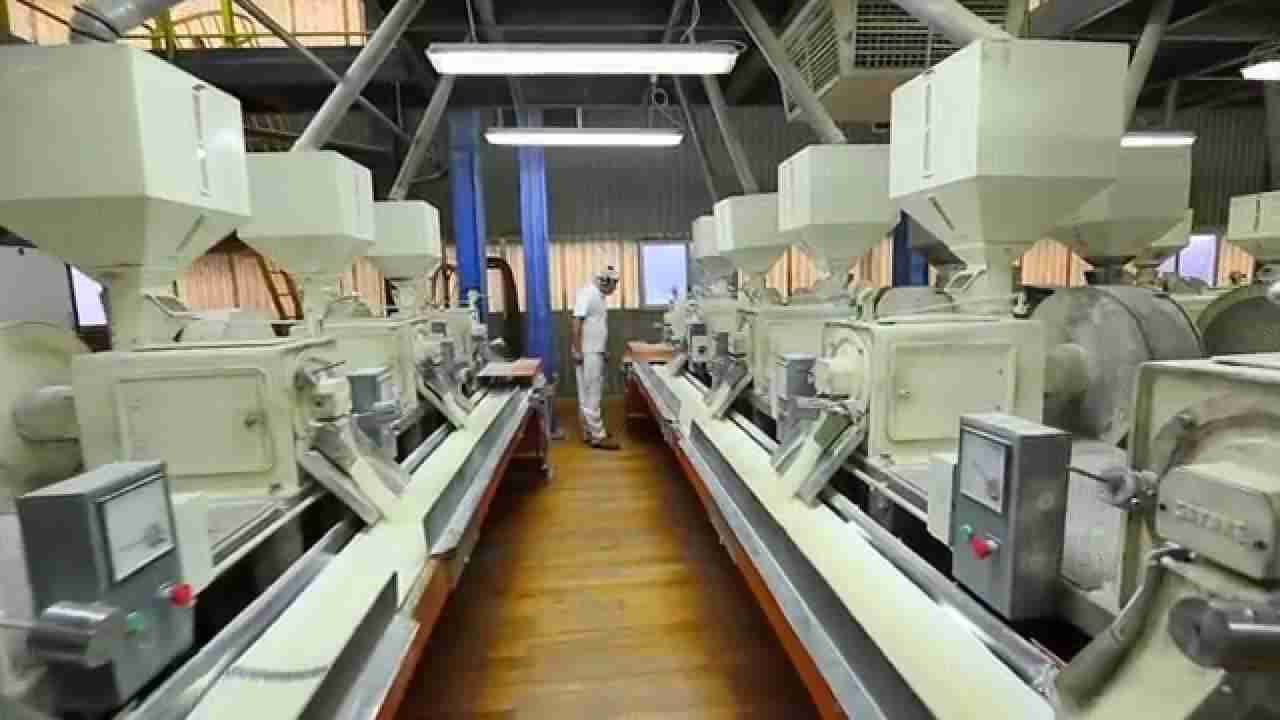
The Historical Significance of Rice Milling in Chinese Culture
Throughout Chinese history, rice milling has woven itself into the very fabric of society, serving as a cornerstone of both agricultural mechanics and cultural identity. As a staple food, rice has been elevated beyond mere sustenance; it symbolizes prosperity, fertility, and family unity. In ancient times, the milling process was labor-intensive and communal, reinforcing social bonds as families gathered to share the workload. This ritual not only ensured the availability of food but also echoed the principles of cooperation and collective responsibility that are deeply embedded in Chinese values. The evolution of rice milling, from traditional water-powered mills to contemporary mechanized operations, mirrors the transformations in Chinese society and the agricultural landscape.
Moreover, the significance of rice milling extends to various cultural practices and festivals. For instance, during the Spring Festival (or Chinese New Year), freshly milled rice becomes an essential ingredient for festive dishes, symbolizing good fortune and the promise of bounty in the coming year. The technological advancements in rice milling have facilitated greater efficiency and preservation of quality, addressing the demands of modern agriculture while respecting age-old traditions. Today, as nations around the world become more interconnected, rice mills not only contribute to local economies but also play a role in ensuring food security, highlighting the enduring impact of this age-old practice not just in China, but across the globe.
| Aspect | Traditional Rice Milling | Modern Rice Milling |
|---|---|---|
| Mechanism | Manual, water-powered | Automated machinery |
| Cultural Role | Community gatherings | Efficiency & scalability |
| Food Security | Localized production | Global supply chains |

Innovations in Technology: Modernizing Traditional Techniques
The fusion of age-old methods with cutting-edge technology has propelled the rice milling industry into a new era. In China, traditional rice mills, once simple machines powered by manual labor, have undergone a remarkable transformation, adapting to modern agricultural demands while retaining their cultural significance. Innovations such as automated sorting and polishing systems have greatly improved productivity and efficiency. By employing advanced software and deep learning algorithms, these mills can now analyze grain quality in real-time, ensuring that only the finest rice makes its way to consumers. This digital leap not only enhances the workflow but also preserves the quality and integrity of the rice.
Moreover, the integration of environmentally friendly practices has become a focal point in this modernization journey. Many mills are now utilizing renewable energy sources and implementing waste reduction techniques, ensuring sustainability while maintaining high standards of production. Key advancements include:
- Energy-efficient machinery: Reducing carbon footprint while optimizing performance.
- Smart irrigation systems: Minimizing water usage and enhancing crop yield.
- Biodegradable packaging: Addressing waste issues in traditional processing methods.
These innovative approaches ensure that the legacy of rice milling not only continues but thrives in harmony with modern agricultural practices, setting a benchmark for future generations to follow.

Sustainable Practices: Balancing Tradition with Environmental Responsibility
The melding of age-old practices with contemporary ideals has invigorated the operation of Chinese rice mills, fostering an ecosystem where tradition and sustainability coexist. These mills are not merely relics of the past; rather, they have adopted innovative methods that significantly reduce their environmental impact. To achieve this balance, mills have integrated several sustainable practices, such as:
- Energy Efficiency: Implementing renewable energy sources like solar panels to power milling operations.
- Water Conservation: Utilizing advanced water recycling systems to minimize consumption and waste.
- Waste Management: Transforming husk and bran byproducts into biofuels or organic fertilizers, fostering a circular economy.
- Organic Certification: Sourcing grains from farms that prioritize organic cultivation methods, protecting both soil and biodiversity.
Moreover, the revival of traditional milling techniques is crucial in preserving local agricultural biodiversity. By promoting heirloom rice varieties and supporting smallholder farmers, these mills are not only sustaining age-old customs but also encouraging the use of native species that are more resilient to climate change. This results in a vibrant ecosystem and a variety of health benefits for consumers. The following table highlights the key impacts of integrating sustainable practices in rice milling:
| Impact Area | Benefits |
|---|---|
| Environmental | Reduces carbon footprint and resource consumption. |
| Economic | Generates new job opportunities in green technologies. |
| Social | Strengthens community ties by supporting local farmers. |
Empowering Communities: Economic Impact and Future Opportunities
The transformative power of traditional rice mills extends beyond food production; it catalyzes significant economic benefits for local communities. By preserving age-old grinding techniques, these mills foster job creation and sustain livelihoods. Local farmers not only find a reliable processing option but also gain confidence in the quality of their products. The economic ripple effects are noticeable in various areas:
- Employment Opportunities: Each mill typically employs several local workers, providing income and enhancing community stability.
- Support for Local Agriculture: By sourcing grains from nearby farms, rice mills directly contribute to the local economy, reinforcing farmers’ financial resilience.
- Increased Market Accessibility: Mills help farmers access broader markets by adding value to their raw grains through milling, leading to improved profitability.
As we look to the future, the potential for collaboration and innovation in these traditional setups remains vast. Opportunities for technological advancements can modernize operations while maintaining cultural essence. Community-focused initiatives can bring together stakeholders, opening avenues for:
- Eco-Friendly Practices: Transitioning to sustainable processing methods can attract environmentally conscious consumers.
- Diversified Product Lines: Mills can explore producing specialty rice varieties or value-added products, catering to niche markets.
- Educational Programs: Workshops can enhance skills for mill operators and farmers alike, bridging traditional knowledge with modern techniques.
| Opportunity | Description |
|---|---|
| Green Technology | Implementing renewable energy in milling operations. |
| Community Farming Co-ops | Encouraging collective farming efforts to enhance productivity. |
| Marketing Collaboratives | Uniting mills to promote products collectively, leveraging shared resources. |
The Conclusion
the tale of Chinese rice mills is one that intricately weaves together the threads of tradition and modernity. These facilities not only represent the rich agricultural heritage of China but also embody the innovations that propel the industry forward. As they adapt to contemporary demands and technological advancements, rice mills stand as a testament to resilience and evolution in agriculture. By preserving age-old practices while embracing change, they nurture both the land and the communities that depend on them. The grinding tradition will undoubtedly continue to play a pivotal role in shaping the future of rice production, ensuring that this staple remains at the heart of Chinese cuisine and culture for generations to come. As we move forward, it’s essential to honor these traditions while fostering a sustainable agricultural landscape that can meet the challenges of a rapidly changing world.




