
From Grain to Grit: The Journey of a Rice Mill
In the heart of verdant fields, where emerald stalks dance with the wind, lies a story woven through generations—a tale that begins with humble grains and culminates in the gritty realities of rice milling. Rice, a staple that sustains billions across the globe, undergoes a transformative journey from its origin in fertile paddies to the polished, gleaming grains that find their way to our bowls. This journey does not merely encompass the mechanized processes and technological advancements that characterize modern rice mills; it also reflects the labor, tradition, and resilience of communities who cultivate this vital crop.
As we delve into the inner workings of a rice mill, we uncover the intricate dance of nature and technology, craftsmanship and commerce. Each step in the process reveals the challenges faced by millers, the innovations that drive the industry forward, and the unwavering commitment to quality that ensures every grain is worthy of nourishment. Join us as we explore the compelling evolution of the rice mill, where every ounce of grit contributes to a greater narrative of sustenance, culture, and connection.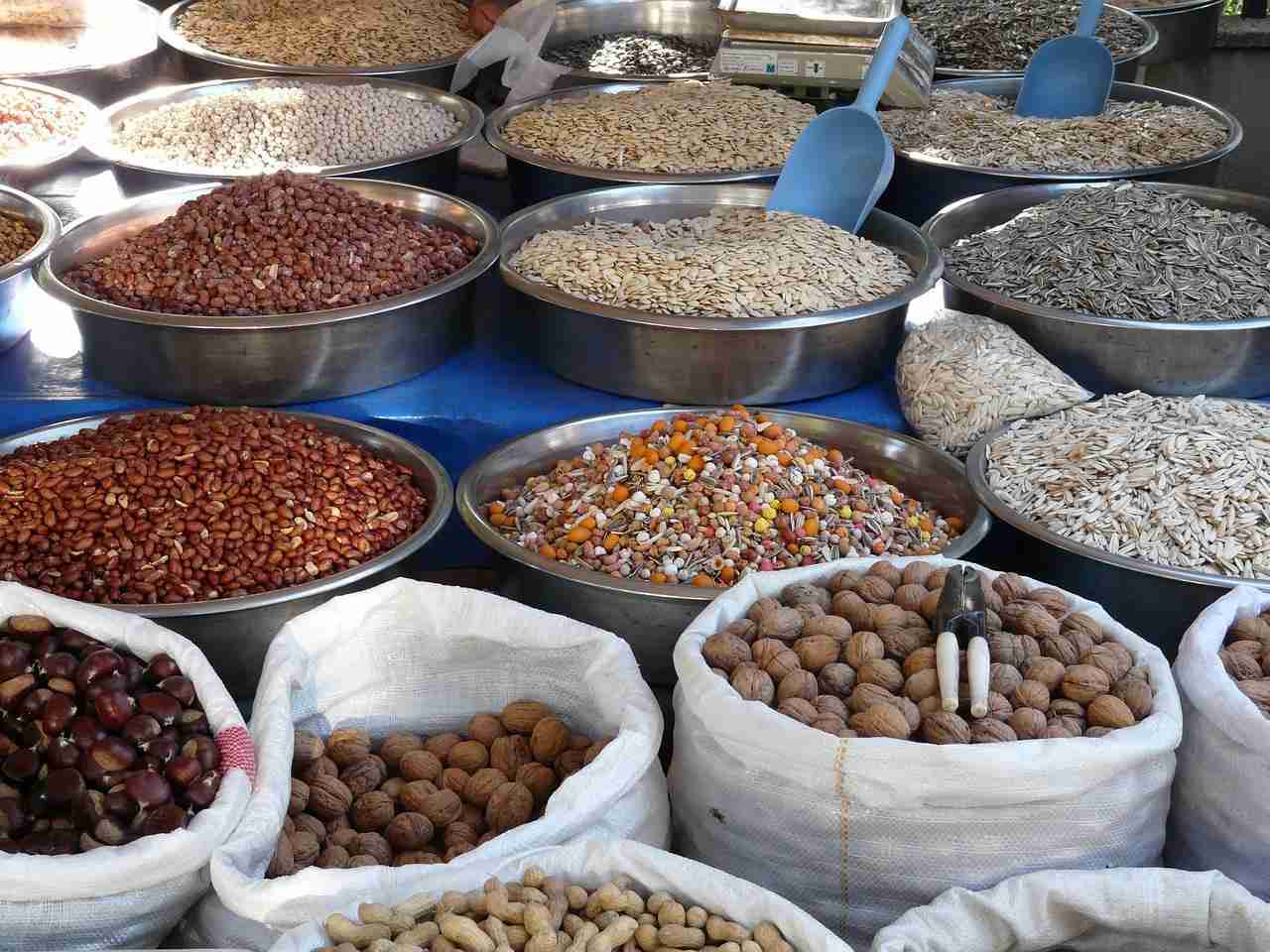
From Seed Selection to Harvest: Laying the Foundation for Quality Rice
At the heart of a successful rice farming operation lies the critical process of selecting the ideal seeds. This journey begins with thorough research to identify rice varieties that not only thrive in local soil conditions but also meet consumer demands for taste and cooking qualities. Farmers often engage in a meticulous selection process by considering factors such as:
- Climate adaptability: Choosing seeds that are resilient to local weather patterns.
- Yield potential: Opting for varieties known for high production rates.
- Pest resistance: Preferring strains naturally resistant to common pests and diseases.
Once the seeds are selected, they are planted with care. Farmers then monitor the growth of the rice plants, ensuring they receive the proper nutrients and water. This phase is critical, as rice is highly sensitive to environmental changes. With optimal conditions, the plants flourish, leading to the moment when the golden grains are ready to be harvested. Following this, the quality of the rice is further enhanced through methods of harvesting, which include:
- Timing: Harvesting at the right moment to maximize flavor and texture.
- Technique: Utilizing gentle handling methods to reduce grain breakage.
- Post-harvest processing: Ensuring cleanliness and moisture control to preserve quality.
This careful cultivation not only defines a successful harvest but also sets the high standards for the subsequent milling process, where the true journey of rice transformation continues.
Transforming Grains: Exploring the Milling Process and Its Innovations
At the heart of every rice mill lies an intricate process designed to transform raw grains into the beloved staple we use in our kitchens. This journey begins with the initial selection of the grains, where quality control plays a pivotal role. Farmers harvest their crops, ensuring they meet strict standards before passing them on to the mills. Upon arrival, the grains undergo several steps, including cleaning, hulling, and milling, which essentially strip away the outer husk and bran layers to reveal the white, tender rice within. Each phase of this process is critical, and modern innovations have introduced technologies that enhance efficiency and quality, such as optical sorting machines that scan for imperfections and remove unwanted debris. Today’s milling processes often incorporate automation and data analytics, which boost productivity and ensure that the final product is consistent and high-grade.
As the grains journey through the mill, they transform from their rustic forms into polished rice, each stage offering fascinating insights into technological advancements. Modern rice mills utilize various machines for specific tasks—some of the essential equipment includes:
- Pre-cleaners: Remove impurities like stones and dust.
- Huskers: Remove the outer husk efficiently.
- Whiteners: Polish the grains to achieve that perfect shine.
Furthermore, advancements in milling techniques have prompted mills to adopt more sustainable practices, such as recovering byproducts for animal feed or energy production. The intersection of innovation and tradition ensures that rice milling not only preserves the integrity of the grains but also contributes to a more sustainable future in food production.
| Process Stage | Description | Innovation |
|---|---|---|
| Cleaning | Removal of impurities from harvested crops. | Optical sorting technology. |
| Hulling | Separation of husk from grain. | Automated husking systems. |
| Milling | Polishing grains and removing bran layers. | Data-driven quality control. |

Quality Control in Focus: Ensuring Purity and Sustainability in Rice Production
At the heart of rice production lies an unwavering commitment to quality control that ensures each grain reflects purity and adherence to sustainable practices. This meticulous process begins long before the rice reaches the milling stage; it starts in the fields where farmers implement crop management techniques that prioritize the health of the soil and ecosystem. By employing organic fertilizers, integrated pest management, and water-efficient irrigation systems, growers not only enhance the quality of their yield but also strengthen the biodiversity around them. Throughout the cultivation phase, regular inspections and testing are conducted, tracing each batch back to its origin to guarantee compliance with stringent safety and sustainability standards.
Once harvested, the rice embarks on an intricate journey through the milling process. Here, advanced technology and rigorous quality assessments play a crucial role in maintaining its integrity. Key stages of quality control include:
- Cleaning: Removal of impurities such as dirt, husk, and stones.
- Grading: Sorting of grains based on size and quality to ensure uniformity.
- Testing: Laboratory analysis for moisture content and nutritional values.
This attention to detail not only preserves the nutritional value and flavor of the rice but also fosters consumer trust by promoting transparency in sourcing and production. The industry’s commitment to quality control goes beyond the mill, encouraging local initiatives aimed at sustainable practices and community engagement, ultimately leading to better outcomes for both producers and consumers alike.
Market Trends and Consumer Preferences: Navigating the Future of the Rice Industry
The rice industry stands at a fascinating crossroads, shaped by evolving market trends and consumer preferences. As health-conscious diets gain traction, the demand for whole grain and organic rice varieties is rising dramatically. Shoppers are increasingly swayed by labels that speak to sustainability and ethical sourcing, prompting rice mills to innovate. Flourishing channels such as online retail and local farmers’ markets are also influencing purchasing habits, encouraging a shift towards more personalized and community-focused rice products.
To adapt and thrive, rice mills are reimagining their offerings and operational strategies. They are now investing in advanced milling technologies and diversifying their product lines, which may include:
- Ramen and Noodle Rice Flour – catering to the culinary market
- Value-Added Rice Snacks – responding to snacking trends
- Convenience Packaging - appealing to busy consumers
Furthermore, mills are tasked with enhancing their branding to resonate with environmentally-conscious consumers. This involves transparent supply chains and responsible farming partnerships, solidifying trust and loyalty within a competitive landscape.
| Trend | Impact on Mills |
|---|---|
| Health Consciousness | Shift to organic and whole grain products |
| Online Shopping | Need for e-commerce strategies |
| Sustainable Practices | Investment in eco-friendly production |
| Convenience Foods | Development of ready-to-cook rice products |
Closing Remarks
As we draw the curtains on the intricate journey of a rice mill, we find ourselves reflecting on the harmonious dance between tradition and innovation. From the hum of machinery that meticulously transforms raw grain into polished grains ready for our tables, to the age-old practices honed over generations, each step encapsulates a story of resilience and adaptation. The rice mill stands as a testament to the unyielding spirit of agriculture, honoring its roots while embracing the future.
As we savor each bite of rice, let us remain mindful of the labor and craftsmanship behind it—the journey from field to mill to plate is one of grit, dedication, and a relentless pursuit of quality. In a world that often rushes by, may we take a moment to appreciate the rich tapestry woven by the humble grains that nourish us. As the mill turns its gears, so too does the cycle of life continue, reminding us that every grain holds the promise of sustenance, connection, and tradition.




