
In the heart of rural China, where the rhythmic sound of machinery harmonizes with the gentle rustling of rice fields, the age-old tradition of grain milling comes to life. ”Exploring the Heart of Grain: The Chinese Rice Mill Journey” invites readers to embark on a captivating expedition through the intricate world of rice production. From the glistening golden grains harvested at dawn to the bustling mills where centuries-old techniques meet modern innovations, this article delves into the cultural significance, historical evolution, and the transformative processes that define one of the cornerstone foods of Chinese cuisine. Join us as we unravel the threads of tradition and technology, shedding light on the artistry and labor that underpin a staple that nourishes millions.
Unveiling the Tradition: The Historical Significance of Chinese Rice Mills
The journey of rice milling in China is not just a tale of agricultural machinery; it is a chronicle etched in the very fabric of Chinese culture. Traditionally, rice mills served as vital community hubs, symbolizing sustenance, prosperity, and harmony. Over centuries, these mills have evolved, yet they continue to echo practices rooted in ancient customs. From handmade stone grinders in small villages to modern automated facilities, the rice mill’s transformation mirrors the broader narrative of China’s progress, showcasing resilience and innovation amidst changing times.
Rice mills have historically played a significant role in various cultural practices and festivals. They represent more than mere production; they embody the principles of community cooperation, cultural identity, and socio-economic development. Essential practices linked to rice milling include:
- Harvest Festivals: Celebrations marking the end of the harvest season, where rice mills often become gathering spots for festivities.
- Rituals and Offerings: Customs around rice milling that involve prayers or offerings for a bountiful yield, demonstrating the interconnection between spirituality and sustenance.
- Local Craftsmanship: The artisanal methods used in mill construction and design reflect local heritage, allowing for the preservation of traditional craftsmanship.
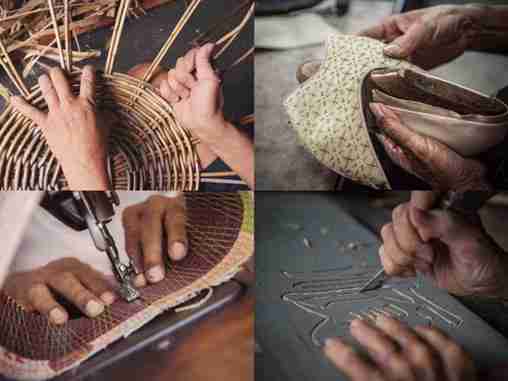
Craftsmanship in Action: The Techniques Behind Rice Milling
As the sun rises over the verdant fields of China, the rhythmic hum of rice milling begins, showcasing a delicate dance between tradition and innovation. Craftsmanship plays a crucial role in this process, where skilled artisans engage in techniques honed over generations. Utilizing an array of time-honored methods and modern machinery, they transform paddy into clean, polished grains. Key techniques in this intricate process include:
- Dehusking: The outer husk of the rice is carefully removed using friction and air, preserving the grain’s integrity.
- Hulling: Involves specialized hulling machines that gently separate the brown rice from the remaining husks to enhance quality.
- Milling: This crucial step polishes the rice, eliminating the bran layer and creating the pristine white grains recognized worldwide.
- Grading: The final product is sorted by size, color, and quality to ensure uniformity, often using advanced optical sorting technology.
The ability to adapt these pioneering techniques to maintain quality while increasing production efficiency reflects the heart of rice milling. Each method, intertwined with the rich cultural heritage of Chinese agriculture, showcases an unparalleled dedication to excellence. To understand the impact of these techniques, consider the following table that illustrates the yield differences across various milling practices:
| Milling Technique | Yield (%) |
|---|---|
| Traditional Hand Milling | 60-70 |
| Mechanical Hulling | 80-90 |
| Modern Rice Milling | 90-95 |
This table illustrates how modernization, while rooted in tradition, has elevated the cuisine and commerce of rice, further emphasizing the artisans’ commitment to quality throughout their craft. As the journey unfolds from field to table, the art of rice milling stands as a testament to the harmonious blend of ancient wisdom and contemporary practices.
From Grain to Plate: Understanding the Journey of Rice Processing
At the heart of every grain of rice lies a rich story of cultivation, care, and meticulous processing. Once harvested, the rice goes through several transformative stages that enhance its quality and prepare it for consumption. Initially, the grains are dried to reduce moisture content, essential for optimal storage. Afterward, they are hulled to separate the protective outer husk from the edible portion. This stage is crucial, as it marks the transition from a rough seed to something more approachable for the consumer. Some key processes include:
- Cleaning: Removal of impurities and foreign matter.
- Polishing: Enhancing the grain’s appearance and aroma.
- Grading: Sorting based on size and quality for market preferences.
As the journey progresses, the transformation continues with milling—the process of grinding the brown rice to produce white rice, which is often preferred in culinary traditions. This step not only boosts taste but also alters the texture, making it more appealing to various dishes. Interestingly, some mills opt to retain the bran layer during processing, paving the way for healthier rice options. Upon completion, rice is packaged and prepared for distribution, ready to embark on its final leg to dinner tables. A simplified overview of rice processing showcases these significant stages:
| Stage | Description |
|---|---|
| Harvesting | Collecting mature rice plants from the fields. |
| Drying | Reducing moisture to maintain quality during storage. |
| Hulling | Removing the outer husk to reveal the grain. |
| Milling | Grinding to produce polished white rice. |
| Packaging | Preparing for transport to markets and homes. |
Sustainable Practices: Innovations for a Greener Rice Milling Industry
In the quest for sustainable rice milling, the industry has introduced a range of innovative practices that not only minimize environmental impact but also enhance efficiency. Biomass energy is emerging as a game changer, allowing mills to harness the by-products of rice husks and straw. These materials, once considered waste, are now crucial resources for generating clean energy, which significantly reduces reliance on fossil fuels. Moreover, the adoption of water-saving technologies has transformed traditional milling methods, enabling mills to process rice with up to 50% less water compared to conventional methods. This not only conserves a precious resource but also mitigates pollution associated with water usage in milling operations.
Technological advancements are also at the forefront of promoting sustainability, with smart milling systems equipped with sensors and automation. These systems optimize production by controlling temperature and humidity, ensuring that every grain is milled to perfection while minimizing waste. Additionally, the integration of eco-friendly packaging solutions is gaining momentum, as mills transition to biodegradable materials that reduce plastic pollution in the supply chain.
| Innovative Practices | Benefits |
|---|---|
| Biomass Energy | Reduces fossil fuel dependency |
| Water-Saving Technologies | Conserves water and minimizes pollution |
| Smart Milling Systems | Enhances production efficiency |
| Eco-Friendly Packaging | Mitigates plastic waste |
The Conclusion
As we draw the curtains on our exploration of the intricate world of Chinese rice mills, it becomes clear that this journey is about much more than grains and machinery. It is a tapestry woven from the threads of history, culture, and innovation, each kernel representing not just sustenance, but the exceptional craftsmanship and dedication that goes into the art of rice milling. From the rhythmic hum of ancient water-powered mills to the sleek operations of modern facilities, these spaces echo the stories of countless generations who have cultivated and transformed rice into a staple of life.
In understanding the heart of grain, we are reminded of the importance of food production, sustainability, and the connections we forge through the simple act of consumption. As we cultivate our own culinary journeys, let us appreciate the journey of rice from field to table—a reminder of the labor, love, and legacy embedded in every bite. Whether you’re a food enthusiast, a cultural explorer, or simply curious about the traditions that shape our diets, may this glimpse into the world of Chinese rice mills inspire a deeper connection to the food that nourishes us all.




