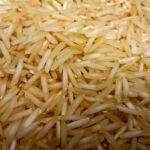
In the intricate tapestry of global agriculture, few threads weave a story as rich and integral as that of rice. Revered as a staple food for more than half of the world’s population, rice is not merely a grain; it is a cultural cornerstone, a symbol of sustenance and tradition. As we delve into the heart of a Chinese rice mill, we embark on a journey through time-honored practices and modern innovations that shape the production of this vital crop. Here, the rhythmic hum of machinery intertwines with the earthy aroma of freshly milled grains, offering a glimpse into the meticulous processes that transform paddy fields into pantry staples. In this exploration, we will uncover the layers of craftsmanship, technology, and communal spirit that define the operation of a rice mill, revealing how a small, humble grain embodies the complexities of food production and cultural identity in China. Join us as we venture inside, where every grain tells a story waiting to be discovered.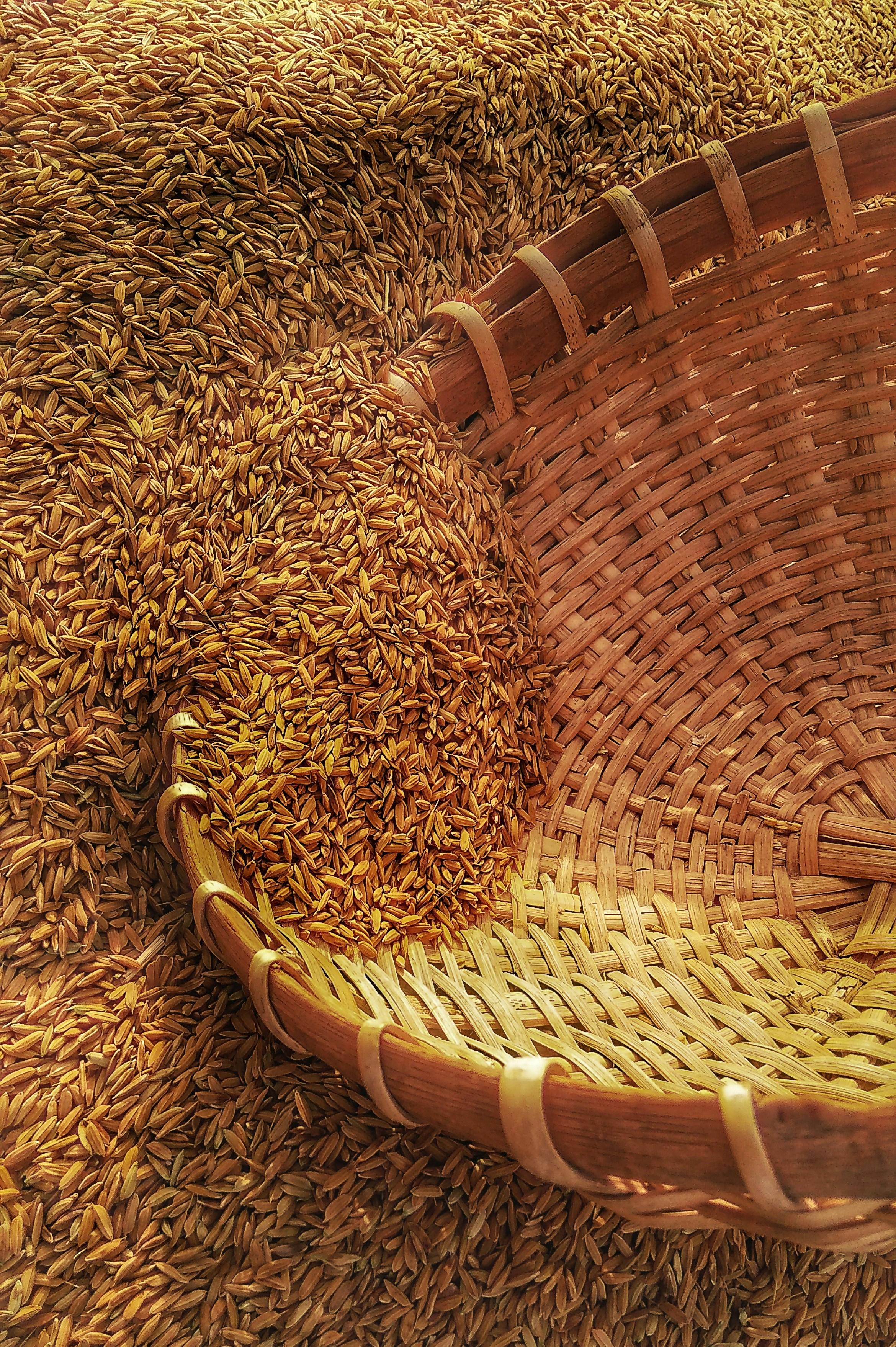
Unveiling the Journey of Grain from Field to Mill
As dawn breaks over the lush, green terraces, the journey of grain begins, whispering tales of the land that nurtures it. Farmers awaken early,greeted by the soft rustle of rice plants swaying in the breeze. The golden grains, heavy with promise, are carefully harvested at the peak of their ripeness. Each stalk tells a story, a testament to the countless hands that have tended to the crop. With dexterity and pride, farmers gather the rice grains, placing them in woven baskets, ready to embark on their journey from the fields to the mill. The rhythmic sound of sickles cutting through the stalks echoes in the air, a symphony of tradition and labor that honors generations of agricultural heritage.
Upon arrival at the mill,the grains transition from their rustic origins to a bustling processing hub where technology meets tradition. Here, the grains undergo meticulous cleaning and milling, transforming into the refined product that will grace tables far and wide. Workers, clad in functional attire, navigate the maze of machinery, ensuring that the process flows seamlessly. The mill operates like a well-oiled machine, where each step is vital, including:
- Cleaning: Removing impurities and debris to ensure quality.
- Hulling: Removing the outer husk to reveal the edible grain.
- Milling: Grinding the grain to achieve the desired texture.
- Polishing: Enhancing the appearance and taste of the rice.
To further understand the impact and importance of these processes, consider the following table that highlights the key components of rice milling:
| Process | Description | Importance |
|---|---|---|
| Cleaning | Separate waste and foreign materials. | Ensures product safety and quality. |
| Hulling | Removes inedible outer layers. | Unveils the nutritious grain within. |
| Milling | Processes the rice into different grades. | Influences market value and consumer preference. |
| Polishing | improves appearance and taste. | Enhances consumer appeal. |
This harmonious blend of age-old techniques and modern machinery not only sustains the culture of rice milling but also adapts to the demands of a rapidly changing world,ensuring that as the journey unfolds,quality remains paramount every step of the way.
The Art and science of Rice Milling Techniques
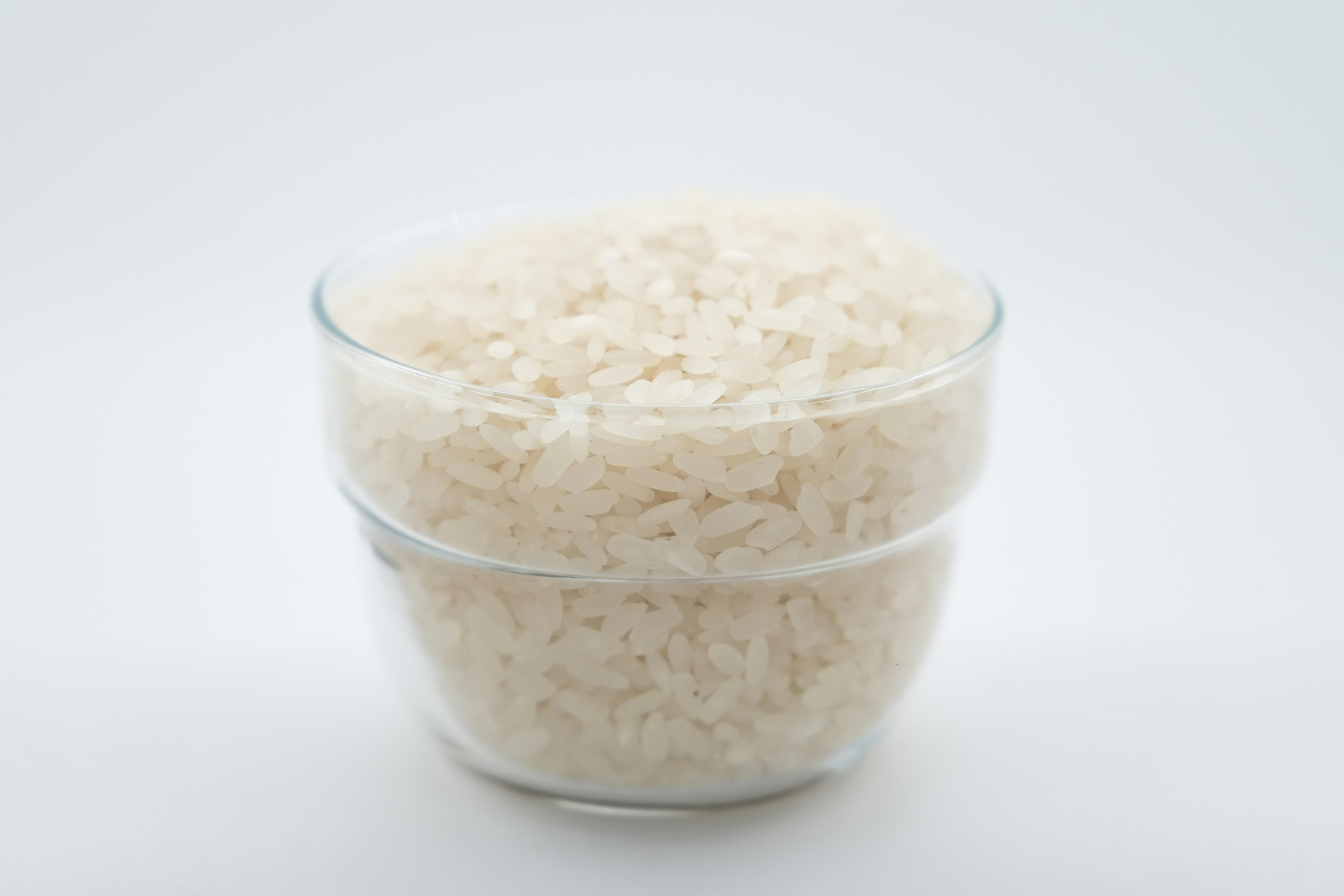
Rice milling is both an art and a science, a meticulous dance between tradition and technology that transforms raw paddy into polished grains. In an establishment resonating with the rhythmic hum of machinery, various techniques play a pivotal role in achieving optimal results. Pre-cleaning, husking, and whitening are just a few stages in this intricate process, where each step is carefully calibrated to retain the grain’s quality while removing unwanted impurities. The use of modern milling machines, often equipped with intelligent monitoring systems, allows millers to adjust parameters in real-time, ensuring that the rice is milled to perfection.
The complexity of these techniques can be distilled into several core practices that enhance efficiency and yield. Consider the following elements that define triumphant milling:
- Pre-conditioning: Moisture adjustment before milling to facilitate husking.
- Husking: Removal of the outer husk, crucial for a clean grain.
- Grading: Sorting rice based on size and quality, essential for marketability.
- Polishing: Achieving a glossy surface without compromising the nutrition.
| Stage | Description |
|---|---|
| Pre-cleaning | Initial removal of unwanted materials. |
| Husking | Separation of husk from the grain. |
| Whitening | Smoothing of the rice grain surface. |
| Polishing | Enhancing visual appeal while keeping nutrition intact. |
Sustainability Practices in Chinese Rice Production
In the picturesque landscapes of China, rice paddies stretch like green canvases, demonstrating the deep-rooted interplay between agriculture and sustainability. Local farmers have embraced innovative techniques that not only boost productivity but also conserve essential resources. Practices such as integrated pest management drastically reduce the reliance on harmful pesticides, preserving the health of ecosystems.Moreover, the adoption of water-saving irrigation methods, such as alternate wetting and drying, optimizes water usage, ensuring that this invaluable resource is utilized judiciously. By prioritizing organic farming and utilizing natural fertilizers,farmers are not only enhancing soil health but also contributing to a decrease in carbon emissions associated with conventional practices.
Commitment to sustainability extends beyond the fields and into the rice mills themselves, where energy-efficient processes are increasingly becoming the norm. Many mills are investing in renewable energy sources, such as solar and biomass, to power their operations. The integration of waste recovery systems allows for the re-utilization of by-products from rice milling, transforming what would be waste into sources of energy or animal feed. Additionally, through meticulous supply chain management, stakeholders ensure that the journey from rice field to consumer table is as sustainable as possible, with reduced environmental footprints. these efforts culminate in a holistic approach to rice production that harmonizes the demands of both the market and the environment.
| Sustainability Practice | Description |
|---|---|
| Integrated Pest Management | Utilization of natural predators to control pests. |
| Water-saving Techniques | Methods like alternate wetting and drying to reduce water consumption. |
| Organic Farming | use of natural fertilizers to enhance soil health. |
| Renewable Energy | Investing in solar panels and biomass for mill operations. |
| Waste Recovery | Recycling by-products into energy or feed. |
Innovative Technologies Shaping the Future of Grain Milling
The landscape of grain milling is undergoing a transformative evolution, driven by innovative technologies that enhance efficiency, sustainability, and product quality. Among the most groundbreaking developments is the implementation of AI-powered analytics, which enables mill operators to monitor production processes in real time. This technology allows for predictive maintenance, reducing downtime and optimizing the overall milling efficiency. Additionally, automated cleaning systems ensure that grains are processed in hygienic conditions, minimizing the risk of contamination and improving product safety.
Another hallmark of modern milling is the integration of renewable energy sources. Many mills are now harnessing solar and wind energy to power their operations, significantly cutting carbon footprints and minimizing reliance on fossil fuels. Furthermore, smart milling equipment equipped with IoT technology monitors the quality of the grain throughout the milling process, providing instant feedback and allowing for adjustments to enhance the final product. These advancements not only promote operational excellence but also align with global sustainability goals, paving the way for a new era in grain milling.
| Technology | Benefit | Impact |
|---|---|---|
| AI-powered analytics | Real-time monitoring | Reduces downtime |
| Automated cleaning systems | Ensures hygienic processing | Improves food safety |
| Renewable energy sources | Lower carbon emissions | Promotes sustainability |
| Smart equipment with IoT | Quality feedback | Enhances product consistency |
Closing Remarks
As we conclude our journey through the heart of a Chinese rice mill, we emerge with a newfound gratitude for the intricate processes that transform humble grains into the staple of millions. Each kernel tells a story steeped in culture and tradition, echoing the rhythm of life in rural communities. The blending of age-old techniques with modern technology creates a symphony of efficiency and craftsmanship, underscoring the vital role that rice plays in not just the economy, but the very fabric of society.
In this exploration, we have witnessed the dedication of countless individuals whose hands shape the journey of rice from field to table. Their labor embodies resilience, innovation, and a deep connection to the land. Weather it’s the soft rustle of rice inside its husk or the rhythmic pulse of machinery, the sounds of the mill resonate with the heartbeat of a nation.
As we step away from the world of grains,let us carry forward the lessons learned from this rich tapestry of agriculture and industry. In every bowl of rice, we find a reflection of history, a taste of tradition, and a promise of nourishment for future generations. Thus,while the journey of grain may conclude here,the story continues—inviting us all to savor the simple yet profound connections that bind us to the earth and to each other.