
In the heart of countless rural communities, where agriculture meets innovation, the humble rice grain goes through a transformative journey from paddy to plate. Yet, this journey is often marred by inefficiencies and outdated practices that hinder productivity and profitability for farmers. Enter the combined rice mill—a modern marvel designed to streamline the rice milling process, reduce waste, and enhance output. This article delves into the efficiency of combined rice mills, unraveling how these technological advancements not only bolster the economies of rice-producing regions but also play a vital role in ensuring food security and sustainability. As we embark on this exploration, we will examine the mechanics, benefits, and challenges posed by this contemporary solution, illuminating the path toward a more efficient future for rice milling. Join us as we navigate through this compelling intersection of tradition and technology.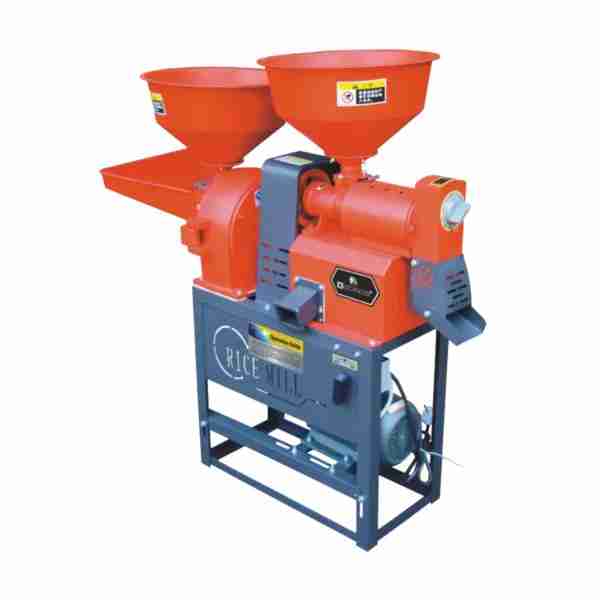
Understanding the Functionality of Combined Rice Mills
The functionality of combined rice mills lies in their ability to seamlessly integrate multiple processes involved in rice production. These innovative setups utilize modern technology to streamline operations, involving tasks such as milling, husking, and polishing within a single unit. By combining these activities, rice mills can significantly reduce the time and labor required, making the entire process more efficient. Key components of a combined rice mill include:
- De-husking Unit: Efficiently removes the outer husk.
- Milling Chamber: Grinds the rice grains to the desired texture.
- Polishing Section: Enhances the appearance and quality of the rice.
- Separators: Sorts different rice grades to ensure uniformity.
Furthermore, the integration of automation plays a critical role in enhancing the productivity of these mills. Automated controls regularize the entire process, minimizing waste and maximizing yield. The presence of advanced sensors and monitoring systems allows real-time adjustments, contributing to optimal resource utilization. A simple overview of their efficiencies can be highlighted in the table below:
| Feature | Benefit |
|---|---|
| Space-Saving Design | Reduces footprint and installation costs |
| Energy Efficiency | Lower operational costs through reduced power consumption |
| Reduced Labor | Less manual handling resulting in fewer personnel needed |
| Higher Output Quality | Uniformity in grain quality, leading to customer satisfaction |

Evaluating Cost-Effectiveness in Rice Milling Operations
The cost-effectiveness of rice milling operations hinges on several crucial factors that streamline productivity and enhance profitability. By analyzing the operational costs, mills can implement strategies that redefine their efficiency. Among these strategies, adopting modern technology and integrated systems ensures not only better output but also improved quality. Key performance indicators (KPIs) to consider include:
- Energy Consumption: Monitoring the power used in each stage of milling.
- Labor Efficiency: Evaluating the workforce required for operations versus output produced.
- Yield Rates: Assessing the ratio of milled rice obtained from raw paddy.
- Maintenance Costs: Identifying and managing the upkeep expenses associated with milling machinery.
The integration of combined rice mills offers a holistic approach to mitigating costs while maximizing output. These systems facilitate the alignment of various milling processes, leading to a reduction in waste and an increase in end-product quality. A comparative analysis table can illustrate the efficiency of these operations against traditional methods:
| Aspect | Combined Mills | Traditional Mills |
|---|---|---|
| Energy Efficiency | High | Moderate |
| Labor Requirements | Reduced | Higher |
| Output Quality | Superior | Variable |
| Maintenance Frequency | Less Frequent | More Frequent |
Sustainability and Environmental Impact of Combined Solutions
As the world grapples with the pressing challenges of climate change and environmental degradation, the quest for sustainable agricultural practices has taken center stage. Combined rice mills, by nature of their operation, significantly reduce the environmental footprint associated with traditional milling processes. These technologies not only improve energy efficiency but also promote a circular economy. Key benefits include:
- Reduced Waste: Integrated milling systems optimize the use of by-products, minimizing waste disposal challenges.
- Lower Carbon Emissions: By utilizing renewable energy sources and improving overall energy efficiency, combined rice mills can substantially lower greenhouse gas emissions.
- Water Conservation: Advanced milling techniques utilize water more efficiently, helping to preserve this vital resource in water-scarce regions.
Moreover, the adoption of combined solutions fosters a holistic approach to sustainability that extends beyond milling. By integrating post-harvest processing with cultivation practices, farmers can benefit from:
| Benefit | Description |
|---|---|
| Economic Viability | Lower processing costs lead to increased profitability for farmers. |
| Biodiversity Enhancement | Promoting soil health through organic waste recycling encourages a diverse ecosystem. |
| Community Empowerment | Jobs created in sustainable mills can uplift local communities economically. |
Implementing Best Practices for Maximizing Efficiency
To fully leverage the potential of combined rice mills, it is crucial to embrace a series of best practices tailored to enhance operational efficiency. One key approach involves the integration of technology, which can streamline processes from milling to packaging. Advanced machinery equipped with automation features not only speeds up production but also minimizes human error. Additionally, implementing data-driven decision-making through management software can help monitor performance metrics in real-time, allowing for prompt adjustments. Consider the following practices:
- Regular maintenance schedules to prevent equipment failures.
- Employee training programs focusing on optimal machine usage.
- Energy efficiency techniques to reduce operational costs.
Moreover, fostering a culture of continuous improvement is vital for sustained efficiency. Establishing a feedback loop that encourages staff to share insights about potential enhancements can yield innovative solutions. Collaborating with suppliers to ensure the highest quality of raw materials and forming partnerships for shared best practices can further enhance the value chain. The table below illustrates the impact of these strategies on output quality and operational costs:
| Strategy | Impact on Output Quality | Reduction in Operational Costs |
|---|---|---|
| Tech Integration | High | 20% |
| Employee Training | Medium | 15% |
| Energy Efficiency | High | 25% |
To Conclude
As we draw the curtain on our exploration of combined rice mills, it becomes clear that these modern marvels are more than just a technological advancement; they embody a holistic approach to rice processing that marries efficiency with sustainability. By integrating multiple functions into a single unit, combined rice mills not only streamline operations but also promise to reduce waste and enhance the quality of the final product.
In an era where resource optimization is paramount, the adoption of such innovative solutions can pave the way for a more resilient agricultural sector. As we stand at the crossroads of tradition and innovation, the journey of rice milling continues to evolve, heralding a future where both farmers and consumers can reap the rewards of cutting-edge technologies. Ultimately, the push toward combined rice mills reflects a broader commitment to improving food security and nurturing our planet, proving that with every grain of rice processed, we are cultivating not just crops, but a sustainable legacy for generations to come.
Thank you for joining us on this insightful journey into the realm of combined rice mills. As we continue to observe and adapt to the dynamic landscape of agricultural technologies, the future indeed looks bright and promising.




