
Exploring the Efficiency of a 5-Ton Rice Mill: A Guide
In the world of agriculture and food production, few processes are as vital as the milling of rice—a staple for billions around the globe. The transition from paddy to polished grain represents not only a complex journey but also an opportunity for efficiency and innovation. Amidst advancements in technology and changing market demands, the 5-ton rice mill emerges as a pivotal player in this landscape. With its capacity to transform large quantities of paddy into rice daily, it serves as a beacon of productivity in rural economies and commercial ventures alike. This guide delves into the workings of a 5-ton rice mill, examining its operational mechanisms, efficiency metrics, and the impact it has on both small-scale farmers and large distributors. Join us as we unpack the intricacies of this vital machinery, providing insights that can aid producers in optimizing their milling processes for better yields and sustainability.
Understanding the Mechanisms of a 5-Ton Rice Mill for Optimal Performance
To achieve optimal performance in a 5-ton rice mill, understanding the underlying mechanisms that contribute to its efficiency is crucial. At the heart of this process are key components that work in synergy to streamline operations. Utilizing advanced technologies, these mills incorporate essential parts such as huskers, separators, and polishers, each playing a distinct role in the rice milling process. The husker removes the outer husk, while the separators ensure that only the best quality grains proceed to the next stage, where polishers enhance the rice’s aesthetic appeal and marketability. Each of these components must be properly maintained to avoid downtime and ensure a smooth flow of production.
In addition to component efficiency, the operational parameters of a 5-ton rice mill also significantly impact its output. Key performance indicators such as mill speed, moisture content, and feed rate can dramatically influence overall performance. Operators should implement strategies such as regular moisture testing and adjustments to the feed mechanism, ensuring the grains are processed at optimal conditions. Below is a simple table illustrating common adjustments that can improve milling efficiency:
| Adjustment Type | Optimal Range | Impact on Efficiency |
|---|---|---|
| Mill Speed | 200-300 RPM | Enhances husking rate |
| Moisture Content | 12-14% | Reduces breakage |
| Feed Rate | 100-120 kg/hour | Optimizes throughput |
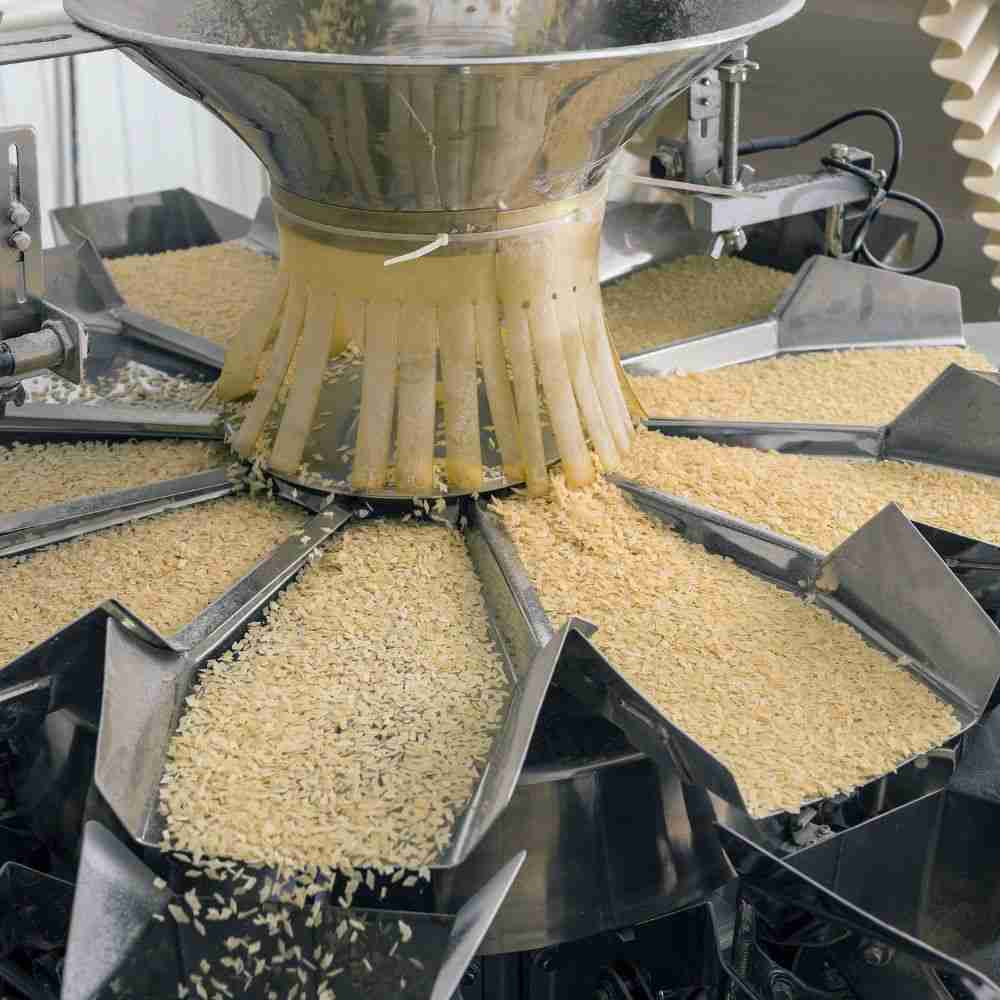
Key Factors Influencing the Efficiency of Rice Milling Processes
When evaluating the efficiency of a rice milling process, several key factors come into play. Machinery quality plays a paramount role; state-of-the-art rice mills equipped with advanced technology tend to yield higher efficiency rates. Furthermore, the design and layout of the milling facility can greatly enhance or hinder workflow. A streamlined layout minimizes transport time and optimizes the process, allowing for smoother operations. Additionally, the maintenance regimen is crucial; regular upkeep ensures that machinery operates at peak performance, reducing breakdowns and downtime.
Apart from machinery and facility design, input quality is another essential factor influencing milling efficiency. The quality of the paddy entering the mill directly affects the milling yield, with inferior grains often leading to higher losses. Environmental conditions during the milling process, such as humidity levels, can also make a significant impact; too much moisture can lead to poor milling quality and spoilage. The expertise of the operating personnel cannot be overlooked—skilled workers familiar with the intricacies of rice milling can make informed decisions that enhance output quality and efficiency.
| Factor | Description | Impact on Efficiency |
|---|---|---|
| Machinery Quality | Advanced technology and construction | Higher output rates, less downtime |
| Facility Layout | Streamlined workflow design | Minimized transport time |
| Regular Maintenance | Consistent checks and updates | Increased machine longevity and performance |
| Input Quality | Quality of paddy grains | Improved milling yield |
| Environmental Conditions | Humidity and temperature controls | Better milling quality |
| Operating Personnel | Skilled operators | Enhanced decision-making ability |
Best Practices for Maintenance and Operation of Your Rice Mill
To maximize the efficiency of your rice mill, implementing a robust maintenance routine is essential. Regularly inspecting your equipment helps identify potential issues before they escalate, ensuring minimal downtime. Be sure to check key components such as the milling machine, hulling unit, and pneumatic systems. Additionally, incorporate the following best practices into your operations:
- Daily Cleaning: Remove dust and debris to prevent clogs and maintain optimal performance.
- Lubrication: Regularly lubricate moving parts to reduce friction and wear.
- Calibration: Ensure machinery is properly calibrated for consistent output.
- Spare Parts Inventory: Keep essential spare parts on hand to reduce operational delays during repairs.
Training your staff on routine inspections and proper machine handling can greatly enhance operational efficiency. Create a maintenance checklist that outlines daily, weekly, and monthly tasks, fostering a proactive culture within your team. Consider utilizing a scheduling system to track these tasks effectively. The following table illustrates a sample maintenance schedule:
| Task | Frequency |
|---|---|
| Clean Machine Components | Daily |
| Check Oil Levels | Weekly |
| Inspect Belts and Pulleys | Monthly |
Innovative Technologies Enhancing the Productivity of Rice Milling Systems
In the world of rice milling, innovative technologies are playing a pivotal role in enhancing productivity and operational efficiency. One of the most significant advancements is the integration of automation systems designed to streamline various processes. Automated rice milling machines reduce labor costs and enhance precision in operations such as sorting, dehusking, and polishing. Moreover, the incorporation of real-time monitoring systems allows mill operators to track performance metrics and troubleshoot potential issues swiftly, ensuring minimal downtime and consistent output.
Additionally, the introduction of energy-efficient machinery has revolutionized the industry by minimizing waste and reducing energy consumption. These machines utilize advanced mechanics that lower the overall carbon footprint of operations. Some prevalent technologies include the use of multi-functional milling units that combine multiple processes into one, biomass energy systems to power the mills sustainably, and cutting-edge data analytics tools for predictive maintenance and operational optimization. The benefits gained from using these transformative technologies are substantial, resulting in increased yield, cost savings, and an eco-friendlier approach to rice production.
| Technology | Benefits |
|---|---|
| Automation Systems | Reduces labor costs, enhances precision |
| Energy-efficient Machinery | Minimizes waste, reduces energy consumption |
| Data Analytics Tools | Predictive maintenance, operational optimization |
| Biomass Energy Systems | Sustainable power source |
Final Thoughts
As we conclude our exploration of the 5-ton rice mill, it becomes evident that efficiency in rice milling is not merely about the machine itself, but also about the symbiotic relationship between technology, process optimization, and skilled operation. This guide has delved into the intricacies of the milling process, assessing how each component—from design to maintenance—plays a pivotal role in enhancing productivity and quality.
Investing in a 5-ton rice mill can indeed be a transformative decision for farmers and millers alike, promising not only higher yield but also improved quality in their final product. As you consider the insights shared within this guide, remember that embracing innovation in your milling operations is essential to staying competitive in today’s evolving agricultural landscape.
Whether you’re a seasoned mill operator or new to the agricultural scene, we hope this comprehensive overview empowers you to make informed choices that elevate your rice milling ventures. May your journey through the world of rice milling be efficient, profitable, and rewarding. Until next time, may your grains be golden and your operations seamless.




