As the world grapples with the dual challenges of food security and sustainable agriculture, innovative solutions are emerging at every turn. Among these, the rise of combined mini rice mills marks a important leap forward in the quest for efficient farming. these compact, portable units are transforming traditional rice processing methods, offering smallholder farmers a blend of convenience and cost-effectiveness. By integrating milling and processing operations into a single machine, these mills not only streamline production but also enhance the quality of rice, thereby improving the livelihoods of countless agricultural communities. In this article,we will explore the myriad advantages of combined mini rice mills,the technology behind them,and their potential to reshape the landscape of rice farming for years to come.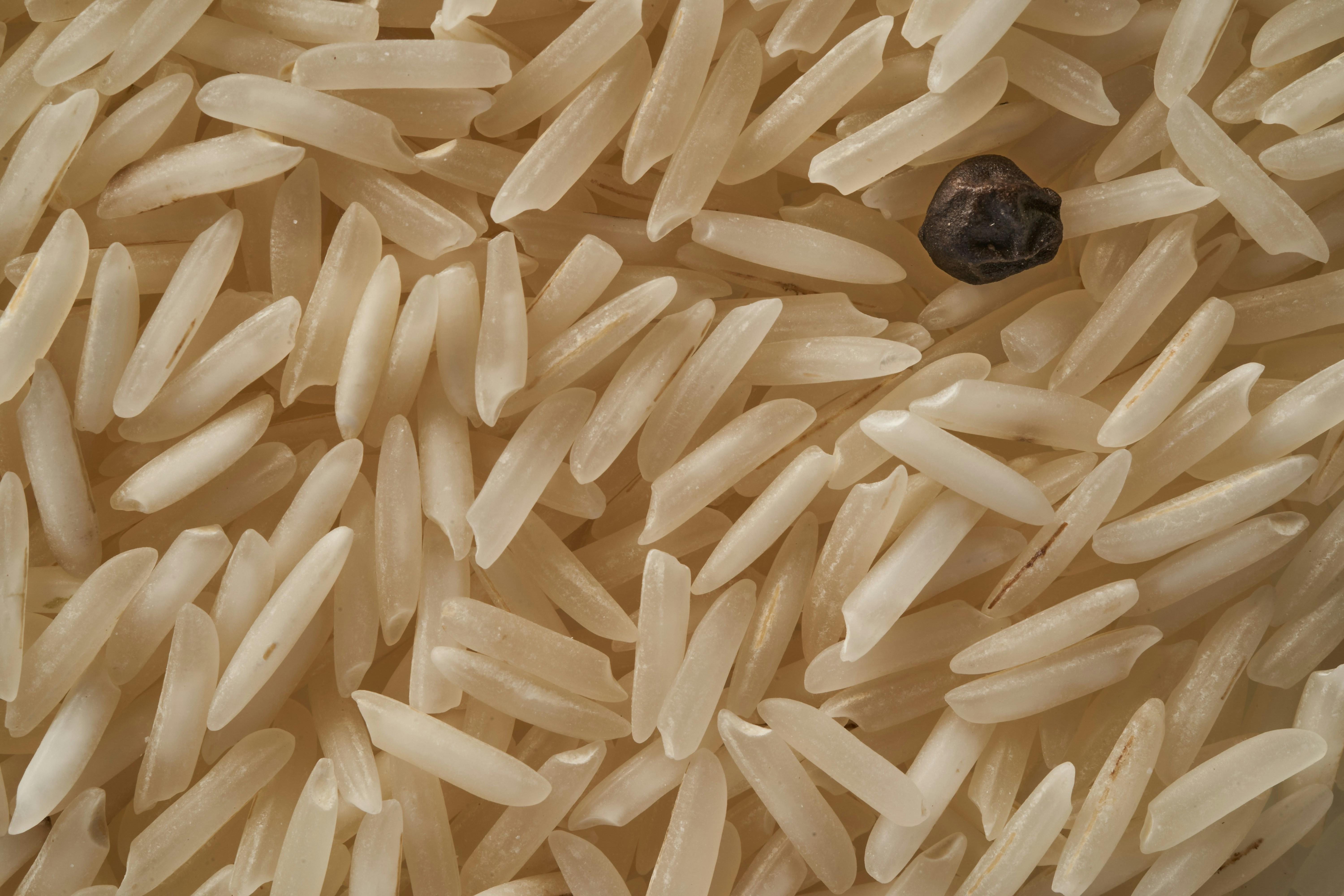
Exploring the benefits of Combined Mini Rice Mills for Smallholder Farmers
The integration of combined mini rice mills has emerged as a game-changer for smallholder farmers, offering a synergistic solution that enhances both productivity and profitability. These mills streamline the process of rice processing, considerably reducing the time and labor involved. By providing multiple functions such as hulling, milling, and polishing in a single unit, they help farmers achieve quicker turnarounds on their harvests. This efficiency not only maximizes output but also minimizes post-harvest losses, allowing farmers to retain more of their yield and improve their income stability. Some of the standout advantages include:
- Cost-effectiveness: Reduced operational costs through a single investment.
- Time-saving: Rapid processing increases the rate of turnover.
- Quality enhancement: Improved rice quality attracts better market prices.
Moreover, the compact design of combined mini rice mills makes them suitable for small farming operations, eliminating the need for large, expensive processing facilities.With the ability to operate in diverse environments and directly at the farm level, these mills empower smallholder farmers to take more control of their product from harvest to market. they serve as vital tools in combatting rural poverty and ensuring food security. Key features that further enhance their appeal include:
| Feature | Benefit |
|---|---|
| Portable design | Easy relocation between farms. |
| Energy-efficient | Lower electricity costs and environmental impact. |
| user-kind operation | Accessible for farmers with minimal technical training. |

Integrating Technology: Enhancing Efficiency and Sustainability in Rice Processing
In the quest for greater efficiency and sustainability within rice processing, the adoption of technology has become a game-changer for farmers and millers alike. The integration of combined mini rice mills not only streamlines the milling process but also significantly reduces energy consumption and waste generation. By harnessing advanced machinery and automated systems, these mini mills enable small-scale farmers to achieve high-quality produce with less labor and time commitment.Key benefits include:
- Reduced Operational Costs: Mini rice mills consume less power compared to traditional large-scale mills.
- Low Water Footprint: The design minimizes water usage, aligning with sustainable agricultural practices.
- Enhanced Quality Control: Integrated quality monitoring systems ensure that rice is milled to optimal standards.
Moreover,the compact nature of these mills allows for decentralization,empowering farmers to process their crops locally. This not only enhances freshness but also minimizes transport emissions associated with moving paddy to distant processing facilities. The introduction of data analytics and IoT technology further strengthens this approach, providing real-time insights into operational efficiency. Farmers can track productivity metrics, analyze milling data, and make informed decisions accordingly. The following table illustrates how these innovative practices set a benchmark for sustainable rice processing:
| Feature | Traditional Mill | Combined mini rice mill |
|---|---|---|
| Energy Consumption | High | Low |
| Water Usage | Moderate | Minimal |
| Quality control | Manual | Automated |
| processing Location | Centralized | Decentralized |
As rice processing evolves, these technological advancements pave the way for a more sustainable future while meeting the rising demands for quality and efficiency. Farmers not only benefit from cost savings but also contribute to a more sustainable agricultural ecosystem that prioritizes environmental health and resource conservation.
Economic Impact: How Combined Mini Rice Mills Boost Local Communities
The integration of combined mini rice mills into local agricultural practices has sparked a transformative shift in rural economies. These small-scale mills not only enhance the efficiency of rice processing but also strengthen community ties by creating new job opportunities. As farmers unite to collectively invest in mills, the advantages become multifaceted, including:
- Increased Income: Farmers gain greater profit margins by eliminating the middleman, allowing them to sell their produce directly to consumers.
- Skill Development: training programs associated with operating the mills help locals acquire valuable technical and management skills.
- Local Supply chains: By processing rice locally, communities reduce their reliance on distant, large-scale operations, which enhances food security.
Moreover, the environmental impact also plays a critical role in this economic boon. Combined mini rice mills often employ eco-friendly technologies that minimize waste and energy consumption. Farmers benefit not just economically but also socially, as these mills become community hubs where knowledge and experiences are shared. The ripple effect can be illustrated through a simple comparison of traditional vs. combined milling impacts:
| Aspect | Traditional Milling | Combined Mini Rice Mills |
|---|---|---|
| Processing Time | Longer due to manual methods | Significantly reduced |
| Employment | limited to specific regions | Community-wide job creation |
| Environmental Impact | higher waste output | Efficient waste management |
Future Prospects: Innovations and Recommendations for Scaling mini rice mill Operations
The future of mini rice mills is bright, promising transformative advancements that can enhance efficiency and production scalability. To stay ahead in the competitive landscape, innovation must be at the forefront, involving the integration of cutting-edge technology.adoption of IoT (internet of Things) devices can streamline operations, allowing for real-time monitoring of machinery performance, grain quality, and inventory levels.Additionally, the development and implementation of AI-driven analytics can optimize milling processes, providing insights into operational efficiency, cost management, and market trends. This digital shift not only fosters increased productivity but also supports sustainable practices through precise resource management.
To further scale mini rice mill operations,stakeholders should focus on the following recommendations:
- Collaboration with Agricultural Tech Companies: Partnering with agritech firms can yield innovative solutions tailored to local farming conditions.
- Investment in Training Programs: Continuous education for mill operatives and farmers enhances both skill sets and operational efficiency.
- Streamlining Supply chains: establishing direct links with paddy farmers reduces costs and strengthens local economies.
- Exploring Option Energy Solutions: Implementing solar power or bioenergy can cut operational costs and promote sustainability.
| Innovation | Benefit |
|---|---|
| IoT Integration | Enhanced monitoring and efficiency |
| AI analytics | Improved operational insights |
| Alternative Energy | Lower operational costs |
Implementing these strategies allows mini rice mills to adapt to changing market demands and environmental conditions, ultimately leading to a stable growth trajectory. By embracing innovation and collaboration,stakeholders can elevate not just their operations,but also contribute to a more sustainable agricultural ecosystem.
the Way Forward
the rise of combined mini rice mills marks a compelling evolution in the agricultural landscape. By harmonizing technology with traditional farming practices, these innovative machines not only streamline the rice milling process but also empower local farmers to enhance their productivity and revenue. As we move forward,the potential for combined mini rice mills to bridge the gap between smallholders and global markets becomes increasingly apparent. By embracing such efficient farming solutions, we can witness a change in food security, sustainability, and rural development. As the sun sets on conventional methods, a new dawn beckons—a future where every grain tells a story of progress and promise.