In an age where innovation drives progress and sustainability reigns supreme, the agricultural sector is experiencing a transformative shift. Among the myriad of advancements,the 5 Ton Rice Mill emerges as a pivotal player,revolutionizing the way rice processing is approached. This article delves into the distinct advantages of this powerhouse machinery, exploring how its efficiency not only enhances productivity but also paves the way for economic growth in rural communities. join us as we unlock the potential of the 5 Ton Rice Mill and illuminate the pathways it creates for farmers, millers, and consumers alike, fostering a more sustainable future for the world’s staple grain.
Maximizing Output and Minimizing Waste in Rice Milling
In the competitive landscape of rice milling, achieving high output while reducing waste is essential for maximizing profitability. Employing a 5 Ton Rice Mill not only enhances processing capabilities but also integrates advanced features designed to optimize resource utilization. These mills are engineered to operate with precision,ensuring that each grain of rice is milled to perfection.By utilizing state-of-the-art technology,mill operators can minimize by-products and enhance the quality of the final output,effectively maximizing their yield.
Key strategies to enhance efficiency include:
- Regular maintenance: Scheduled upkeep prevents breakdowns and inefficiencies.
- Optimized Settings: Tailoring the milling settings for specific rice varieties ensures maximum output.
- Quality Control: Implementing strict quality checks during processing minimizes waste and ensures high-quality products.
- Training Staff: Educating employees on best practices and operational techniques can improve workflow and reduce errors.
to better understand the impact of efficiency on production, consider the following data comparing traditional milling and the advantages of a 5 Ton Rice Mill:
| Feature | Traditional Milling | 5 Ton Rice Mill |
|---|---|---|
| Processing Capacity | Variable | 5 Tons per Hour |
| Waste Generation | High | Low |
| Power Consumption | Higher | Optimized |
| quality of Output | Inconsistent | Premium |
The comparison highlights that transitioning to a modern 5 Ton Rice Mill not only streamlines operations but also contributes considerably to sustainability by reducing environmental footprints. This dual focus on quality and efficiency positions mill operators to achieve a competitive edge in an ever-evolving market.
Innovative Technologies driving Efficiency in 5 Ton Rice Mills
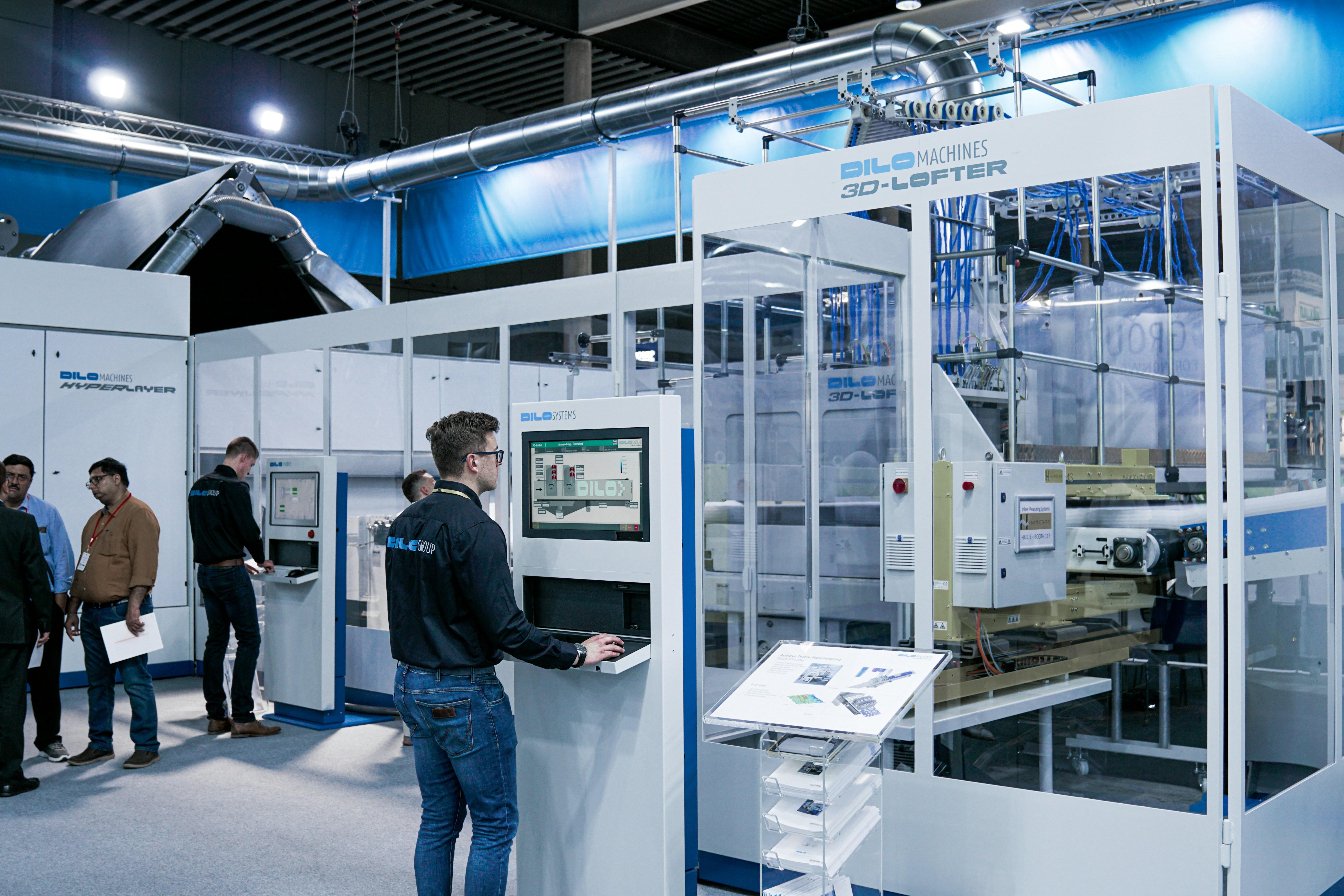
Modern rice milling technology has transformed the landscape of grain processing, particularly with the introduction of advanced machinery in 5 ton rice mills. These innovations not only enhance productivity but also optimize energy consumption and minimize wastage. Some of the notable technologies include:
- Automated Milling systems: These systems incorporate advanced sensors and monitoring technologies that ensure precision in every stage of the milling process.
- High-Efficiency Rice Graders: Utilizing optical sorting technologies, these graders maximize the quality of the rice output, ensuring uniformity and reducing the chances of contamination.
- Energy Efficient Equipment: Incorporation of energy-efficient motors and heat recovery systems significantly lowers operational costs while also being environmentally friendly.
Furthermore, the integration of cloud-based software solutions is revolutionizing the management of rice mills. Such platforms allow mill operators to track production metrics, manage inventory, and even predict maintenance needs based on real-time data analytics. the benefits extend to:
- Data-Driven Decisions: Enhanced reporting capabilities provide insights that help in refining production strategies.
- Predictive Maintenance: Minimizing downtimes through timely service based on equipment performance data.
- Supply Chain Optimization: Improved coordination with suppliers and distributors leads to better resource management.
| Technology | Benefit |
|---|---|
| Automated Systems | Increased production efficiency |
| Energy-Efficient Motors | Reduced operational costs |
| Cloud Software | Enhanced management and reporting |
Cost-Effective Solutions for Small to Medium Size Operations
For small to medium-sized operations, investing in a 5-ton rice mill can be a transformative decision, providing a balance between quality output and affordability. These mills are designed to maximize efficiency while minimizing operational costs, making them an ideal choice for entrepreneurs in the agricultural sector.By streamlining the milling process, these machines allow users to produce high-quality rice at lower energy and labor costs. Moreover, their compact size enables ease of installation and integration into existing workflows, ensuring minimal disruption during the transition.
Utilizing a 5-ton rice mill can unlock several benefits:
- Reduced Operational Costs: Lower energy consumption and labor requirements lead to significant savings.
- Scalability: Easily adaptable to meet growing demands without the need for hefty investments in larger machinery.
- Simplified Maintenance: Designed for easy upkeep, ensuring consistent performance and longevity.
Along with these advantages,comparing the operational efficiency of various models can provide further insights into potential savings. Here’s a rapid look at some key features:
| Feature | 5-Ton Rice mill | Traditional Mill |
|---|---|---|
| Energy Usage | Low | High |
| Output Consistency | High | Variable |
| Maintenance | Easy | Complex |
Sustainability Practices in Rice Milling: A Greener Approach
In the quest for a more sustainable future, the rice milling industry is embracing innovative practices that not only enhance efficiency but also significantly reduce environmental impact. The shift towards eco-friendly technologies and processes is evident, with many mills adopting renewable energy sources, such as solar and wind power, to minimize their carbon footprint. Additionally, using advanced machinery that optimizes the milling process helps conserve energy and water, making rice production more sustainable while ensuring high-quality grain output.
Moreover, the implementation of waste management strategies is pivotal in achieving sustainability within rice milling operations. Byproducts such as rice husk and bran, frequently enough considered waste, are being repurposed into valuable resources.These byproducts can serve as biofuels, animal feed, or even organic fertilizers, showcasing a circular economy that benefits both producers and the environment. Here are some exemplary practices contributing to a greener approach:
- Utilization of Eco-Friendly Energy Sources: Harnessing solar or biomass energy reduces reliance on fossil fuels.
- Water Recycling Systems: Implementing closed-loop systems that recycle water used in the milling process.
- minimizing Chemical Use: Adopting organic pest control measures to protect crops with less harsh chemicals.
- Efficient Waste Management: transforming milling byproducts into option products, reducing waste.
To Conclude
As we draw the curtain on our exploration of the 5 ton rice mill, it’s clear that this innovative machinery represents more than just a tool for processing grain; it embodies the potential to transform agricultural practices and elevate productivity to new heights. the efficiency unleashed by these mills not only streamlines operations but also embraces sustainability, catering to the demands of a growing population while respecting the environment.
In a world where every grain counts, the advantages offered by the 5 ton rice mill stand out as a beacon of modern agricultural technology.From reduced labor costs to enhanced output quality, these mills empower farmers and businesses alike, enabling them to thrive in an increasingly competitive market. As we look to the future, embracing such innovations will be crucial in feeding the world sustainably.
the 5 ton rice mill is not just a step forward in milling technology; it symbolizes the fusion of tradition and modernity, where age-old practices are enhanced by cutting-edge advancements. Let us carry forward this momentum, fostering an agricultural landscape that is not only efficient but also resilient and adaptive to the challenges that lie ahead. Whether you are a farmer, entrepreneur, or industry enthusiast, the journey into the realm of rice milling has just begun—let’s seize the opportunity for growth and progress together.