
Choosing the Best Rice Mill: A Comprehensive Guide for All
In a world where food is both a necessity and a craft, the grain of rice stands out as a staple that nourishes cultures, fuels economies, and feeds billions. Behind the scenes of this essential ingredient lies a vital tool—the rice mill. Whether you’re a smallholder farmer, a burgeoning entrepreneur, or simply someone passionate about rice, selecting the right rice mill is a decision that can significantly impact quality, efficiency, and ultimately, your culinary experience. In this comprehensive guide, we will explore the facets of rice milling, from understanding different types of mills to evaluating essential features and maintenance tips. Join us as we delve into the intricacies of choosing the best rice mill to suit your needs, ensuring that each grain is perfectly polished and ready to share in your next meal.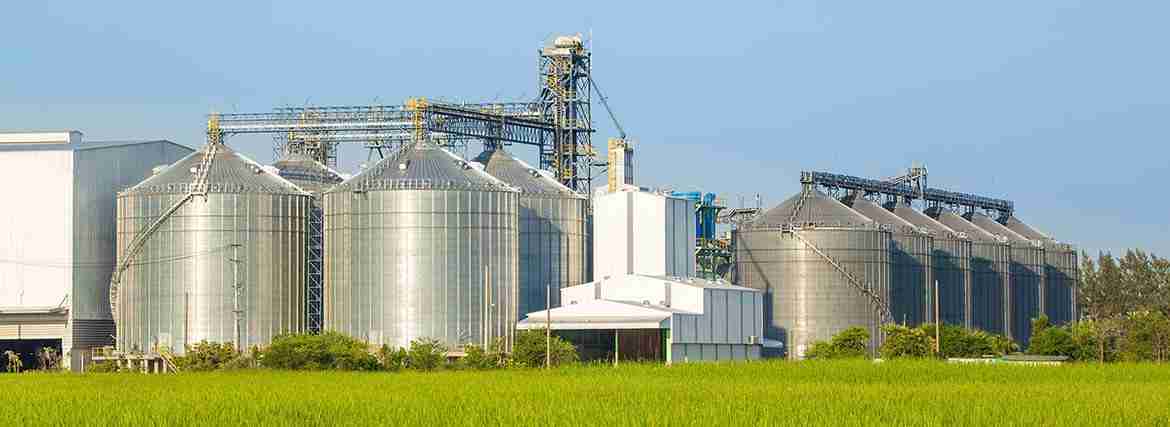
Understanding Different Types of Rice Mills and Their Functions
Rice mills play a crucial role in transforming paddy into consumable rice, and understanding the various types can help you make an informed decision. Traditional rice mills leverage basic machinery and manual labor, offering simplicity in operation. These mills are often favored in rural areas for their low initial costs and ease of use. On the other hand, modern automatic rice mills are equipped with advanced technology that enhances efficiency and output. They can perform multiple tasks simultaneously, from husking and milling to polishing, ensuring superior quality and minimal wastage. Other noteworthy types include mini rice mills, designed for small-scale production, and industrial rice mills, suited for large-scale operations with heavy-duty equipment designed for high productivity.
Each type of rice mill serves different functions, tailored to specific needs. For instance, multi-functional rice mills can perform various operations like husking, whitening, and grading, making them versatile for entrepreneurs. Conversely, customized rice mills allow users to combine features based on their production requirements. Below is a comparative overview of these rice mill categories:
| Type of Rice Mill | Main Function | Best For |
|---|---|---|
| Traditional Rice Mill | Manual husking | Small-scale operations |
| Modern Automatic Rice Mill | High-efficiency milling | Large-scale operations |
| Mini Rice Mill | Compact milling | Home use or small businesses |
| Industrial Rice Mill | Mass production | Factories and large enterprises |
| Multi-functional Rice Mill | Combines multiple processes | Versatile production needs |

Assessing Key Features and Specifications to Suit Your Needs
When selecting a rice mill, it’s essential to evaluate specific features and specifications that align with your operational requirements. Capacity is a significant factor; depending on whether you’re processing rice for personal use or for a commercial venture, different mills offer varying throughput capabilities. Consider mills with adjustable settings to customize the degree of milling, enhancing the quality and texture of your rice. Energy efficiency also plays a crucial role, particularly in commercial operations, as it affects long-term operational costs. Furthermore, look for mills that provide easy maintenance features; this ensures smooth operation and longevity of the machine, reducing downtime.
Other important aspects include build quality and portability. Keeping in mind the environment in which the mill will be used, robust materials can withstand daily wear and tear. If space is a constraint or mobility is essential, compact designs and features like wheels can streamline your setup. Additionally, consider the safety features integrated into the design, such as automatic shut-off and overflow protection, which can prevent accidents during operation. Below is a simple table that outlines some key specifications that may help in your decision-making process:
| Feature | Importance |
|---|---|
| Capacity | Determines the amount of rice processed per hour |
| Energy Efficiency | Affects electricity costs and environmental impact |
| Ease of Maintenance | Reduces downtime and operational disruptions |
| Portability | Facilitates movement and setup flexibility |
| Safety Features | Ensures user safety during operation |
Evaluating Efficiency and Cost-Effectiveness for Long-Term Use
When selecting a rice mill for long-term investment, it is crucial to weigh both efficiency and cost-effectiveness. Efficiency pertains to the mill’s capacity to process rice swiftly and with minimal losses. Consider aspects like milling output, energy consumption, and operational uptime. You may want to look at mills that boast advanced technology and automation features, enabling higher throughput with less manual labor. This not only reduces operational costs but also enhances productivity, allowing you to meet market demands more reliably.
On the other hand, cost-effectiveness signifies the overall financial prudence of your investment. This involves analyzing initial purchase costs alongside long-term operational expenses, including maintenance, labor, and energy consumption. Look for rice mills with durable components that may have higher upfront costs but will save money in the long run through reduced maintenance and lower energy bills. A comparative analysis can help, and you might consider a table for side-by-side assessments of different models’ features and costs:
| Model | Initial Cost ($) | Processing Capacity (kg/h) | Energy Consumption (kWh) | Maintenance Cost/Year ($) |
|---|---|---|---|---|
| Model A | 5,000 | 500 | 5 | 300 |
| Model B | 7,500 | 800 | 7 | 400 |
| Model C | 10,000 | 1,000 | 10 | 500 |
By closely examining factors such as these, you can find a rice mill that not only meets your production needs but also aligns with your budget requirements for sustainable long-term use. This balanced approach ensures that your investment grows in tandem with your business performance.
Exploring Top Brands and Models with Proven Performance
The world of rice mills is abundant with brands and models that have established their reputation through reliable performance and innovation. When searching for a rice mill, consider brands such as Nisshin Seifun, Satake, and Vijay. These companies have earned respect in the industry, continuously adapting to the evolving needs of consumers. Popular models from these brands exhibit features such as high efficiency, low energy consumption, and durable construction. For instance, the Nisshin Seifun MLT-100 stands out for its straightforward operation and compact size, making it ideal for smaller setups, while the Satake STG Series is known for its advanced milling technology, ensuring superior rice quality.
Assessing the performance metrics of these brands will aid in making an informed choice. Key factors to consider include milling capacity, extraction rate, and energy consumption. Below is a simplified comparison of notable models to illustrate their features:
| Brand | Model | Milling Capacity (kg/h) | Power Consumption (kW) | Key Features |
|---|---|---|---|---|
| Nisshin Seifun | MLT-100 | 250 | 1.5 | Compact Design, Easy Operation |
| Satake | STG Series | 500 | 3.0 | Advanced Milling Tech, High Extraction Rate |
| Vijay | VJR-200 | 300 | 2.0 | Cost-Effective, Durable Structure |
In addition to performance, consider customer service and parts availability, which can significantly impact long-term satisfaction. User reviews and testimonials can provide valuable insights into the day-to-day functionality of each model. Engaging with online forums or visiting local dealers can help you connect with existing users and gather more information on their experience, reinforcing your decision for the right rice mill that aligns with your specific needs.
In Retrospect
In the realm of grain processing, selecting the right rice mill is akin to choosing the perfect vessel for a journey; it sets the stage for the quality and success of the endeavor that follows. As we’ve explored throughout this guide, the decision involves weighing numerous factors—from the scale of your operation and the desired rice quality to the technical specifications and budget constraints.
As you embark on this quest, remember that the best rice mill is not merely an appliance in your facility but a vital partner in your agricultural journey. Take the time to assess your unique needs and the specific demands of your market. Engage with manufacturers, seek testimonials, and, if possible, experience the machine firsthand before finalizing your choice. The right mill will not only enhance your production efficiency but also ensure the delivery of superior grains that satisfy your customers and sustain your business growth.
In closing, may this guide empower you with the knowledge and confidence to navigate the myriad options available in the rice milling landscape. Here’s to making informed choices, optimizing your operations, and reaping the rewards of your hard work in the name of quality and excellence. Happy milling!




