
Unveiling the Rice Milling Unit: A Grain of Innovation
In a world where food security and sustainability are becoming increasingly urgent, the humble rice grain has taken center stage, bridging tradition and modernity. The intricate process of transforming raw paddy into polished rice is not merely a routine task; it is the culmination of centuries of agricultural innovation and craftsmanship. At the heart of this transformation lies the rice milling unit—a technological marvel that harmoniously combines engineering prowess with the age-old practice of rice cultivation. In this article, we will explore the inner workings of rice milling units, uncover their role in enhancing food quality and availability, and illustrate how they signify a pivotal shift in agricultural efficiency. Join us as we delve into the mechanisms that unveil a world of potential waiting to be harvested, one grain at a time.
Transforming Harvest to Table: Understanding the Rice Milling Process
The journey from farm to fork for rice involves a delicate balance of technology and tradition, transforming freshly harvested grain into the pristine white rice we all know. The process begins with harvesting, where rice is cut and collected from fields, followed by drying to reduce moisture content, ensuring longevity. Once perfectly dried, the grains enter the milling phase, a multifaceted journey that includes several key steps:
- Cleaning: Removing impurities like stones, dust, and husks.
- Hulling: Separating the edible grain from the outer husk.
- Polishing: Enhancing the grain’s appearance while also removing the bran layer.
- Grading: Sorting the rice by size and quality, ensuring consistency.
These steps occur in a well-choreographed dance powered by sophisticated machinery that maximizes efficiency while retaining the integrity of the grain. Below is a simplified overview of the rice milling stages along with their core functions:
| Stage | Function |
|---|---|
| Harvesting | Collection of ripe rice grains. |
| Drying | Reduction of moisture content for storage. |
| Hulling | Removal of the inedible husk. |
| Polishing | Improvement of appearance and taste. |
| Grading | Classification based on size and quality. |
Throughout this transformative process, the integration of modern technology enables quicker turnarounds and greater precision, ultimately ensuring that each grain not only meets high standards but also retains its nutritional value. Understanding these stages allows consumers to appreciate the intricate journey rice undergoes before reaching the dining table, illustrating how innovation can enhance a time-honored tradition.
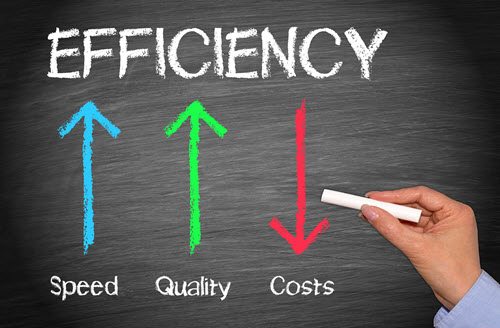
The Heart of Efficiency: Key Technologies in Modern Rice Milling
At the core of modern rice milling lies an array of groundbreaking technologies that not only streamline the processing of rice but also enhance overall productivity. The integration of automation and precision mechanisms facilitates a smoother workflow, translating to significant time savings and reduced labor costs. Key innovations in this sector include:
- Color Sorters: These devices utilize advanced imaging technology to identify and remove discolored or defective grains, ensuring only high-quality rice reaches the market.
- Rice Husk Gasifiers: By converting rice husk into energy, these systems offer an eco-friendly alternative to traditional energy sources, driving sustainability in milling operations.
- Automated Milling Systems: Equipped with sensors and smart technology, these milling units optimize the milling process, minimizing waste and maximizing yield.
Moreover, the implementation of data analytics and IoT connectivity plays a crucial role in enhancing operational efficiencies. With real-time monitoring, mill operators can track performance metrics, predict maintenance schedules, and make informed decisions to improve throughput. The adoption of such technologies not only elevates the milling experience but also reflects in the quality of the final product. As a testament to these advancements, consider the following comparison of traditional versus modern milling outcomes:
| Aspect | Traditional Milling | Modern Milling |
|---|---|---|
| Processing Time | 8-12 hours | 4-6 hours |
| Labor Requirement | High | Low |
| Grain Quality | Variable | Consistent |
| Waste Generation | High | Minimized |
Quality Control in the Grain Supply Chain: Ensuring Excellence from Field to Fork
In the complex landscape of the grain supply chain, the rice milling unit emerges as a pivotal element, ensuring every grain meets the highest standards of quality. The journey of rice from field to fork begins with meticulous quality control practices. From the selection of seeds to the harvesting process, every stage demands rigorous attention to detail. Effective quality control involves:
- Soil Testing: Assessing nutrient levels to optimize crop yield.
- Pest Management: Implementing strategies to minimize contamination.
- Post-Harvest Processing: Utilizing advanced technologies to ensure consistency.
- Regular Audits: Conducting frequent inspections throughout the milling process.
Moreover, the rice milling unit employs cutting-edge technology to guarantee that quality is maintained throughout the processing stages. With real-time monitoring systems and automated operations, these units can efficiently manage quality checks that are essential for maintaining consumer trust. A key aspect of this system is the integration of various technologies such as:
- Optical Sorting: Ensuring impurities are removed seamlessly.
- Moisture Control: Preventing spoilage and extending shelf life.
- Packaged Testing: Verifying the final product before reaching the market.
| Quality Control Aspect | Importance | Technology Used |
|---|---|---|
| Inspection of Raw Materials | Ensures purity | Visual and digital scanners |
| Processing Standards | Maintains consistency | Automated systems |
| Final Product Testing | Guarantees quality | Laboratory analysis |
As consumers become increasingly health-conscious and quality-driven, the role of the rice milling unit in delivering top-notch grains is more critical than ever. This commitment not only fosters trust but also positions the rice industry as a beacon of sustainability and responsibility. Through comprehensive quality management, the grain can be confidently enjoyed, reassuring consumers of its safety and excellence.
Sustainable Practices in Rice Milling: Innovations for a Greener Future
In the quest for a more sustainable future, the rice milling industry has begun to embrace cutting-edge technologies that significantly enhance efficiency while minimizing environmental impact. Innovative milling techniques, such as water-saving processes and the use of renewable energy sources, enable rice mills to optimize operations without compromising quality. Furthermore, the implementation of advanced waste management systems plays a critical role in reducing the carbon footprint, allowing for the reutilization of byproducts such as husk and bran in bioenergy production or animal feed. This holistic approach proves that modernization and ecological responsibility can go hand in hand.
The adoption of precision milling technology is another leap forward, delivering greater control over grain quality and reducing excess material wastage. By leveraging data analytics and machine learning, mill operators can fine-tune their processes to ensure the most effective resource usage. Benefits include:
- Improved yield: Higher extraction rates of milled rice.
- Energy efficiency: Lower energy consumption per unit of output.
- Reduced water usage: Minimizing the water required throughout the milling cycle.
Moreover, partnerships with local farmers promote the idea of circular economy practices, where resources are looped back into the supply chain. A symbiotic relationship forms, benefiting the rice producers and enhancing sustainability in milling operations. These advancements not only strengthen the industry’s resilience but also set a precedent for future innovations.
In Summary
As we draw the curtain on our exploration of the Rice Milling Unit, we find ourselves at the intersection of tradition and innovation—a place where centuries-old practices meet cutting-edge technology. This dynamic machinery not only enhances efficiency but also nourishes communities by ensuring that quality rice, a staple for sustenance, reaches every table. The unveiling of the Rice Milling Unit marks a significant stride towards sustainable agricultural practices, underscoring the importance of precision and care in food production.
As we embrace this new chapter in agricultural technology, we are reminded that innovation does not exist in a vacuum; it builds upon the foundations laid by farmers and millers who have honed their craft over generations. The journey of rice from field to fork continues to evolve, propelled by ingenuity and a commitment to both quality and sustainability.
As we look to the future, let us celebrate not just the advancements in milling technology, but also the collaborative spirit required to support local economies and feed a growing world. In the heart of every Rice Milling Unit lies not just machinery, but a promise for a more resilient and equitable global food system. With every grain processed, we’re one step closer to feeding the world responsibly and sustainably.




