
Unveiling the Future: A 2 Ton rice mill plant Project
In the heart of agricultural innovation, where tradition meets technology, a new chapter is unfolding in the rice milling industry. As the world grapples with the challenges of food security and the demand for sustainable practices, the launch of a 2-ton rice mill plant project is poised to make waves. This initiative not only promises to enhance local productivity but also aims to empower small-scale farmers and elevate rural economies. With its state-of-the-art machinery and commitment to quality, the project stands as a testament to the potential for growth and modernization in a time-honored sector. Join us as we delve into the intricacies of this transformative endeavor, exploring its design, impact, and the visionary minds behind its development. Welcome to a future where rice isn’t just cultivated; it’s revolutionized.
Exploring the Demand for Rice: Market Trends and Opportunities
The global rice market is experiencing a dynamic evolution, driven by increasing population growth, changing dietary preferences, and economic development. As a staple food for more than half of the world’s population, rice holds significant importance, resulting in consistent demand across various regions. In recent years, there has been a notable shift towards premium and organic rice varieties, reflecting consumers’ growing health consciousness and desire for quality. The rise in middle-class incomes, particularly in Asia and Africa, is also fueling the demand for processed rice products, opening up numerous avenues for investment and innovation within the industry.
To capitalize on these emerging trends, establishing a 2-ton rice mill plant can present lucrative opportunities for entrepreneurs and investors alike. Such a facility not only enhances local production capabilities but also caters to diverse markets by offering a variety of rice grades and milling options. The project could enable stakeholders to:
- Boost local agronomy: By sourcing rice from local farmers, fostering community engagement, and ensuring sustainable practices.
- Enhance product offerings: Introducing value-added products such as rice flour, bran oil, and specialty rice blends.
- Expand market reach: Utilizing e-commerce and modern distribution channels to diversify customer bases beyond traditional markets.
understanding the evolving landscape of rice demand, paired with strategic planning, ensures a strong foundation for establishing successful rice mill operations. As the agricultural sector seeks innovative solutions to meet market demands, projects like a 2-ton rice mill plant are well-poised to thrive in a competitive environment.
Innovative Technology in Rice Milling: Enhancing Efficiency and Quality
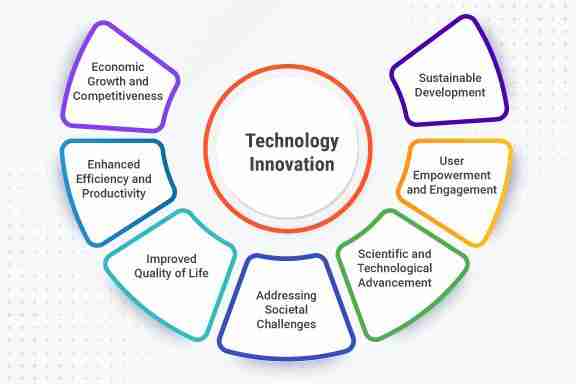
In the realm of rice milling, cutting-edge technology is transforming traditional practices into highly efficient systems capable of producing superior quality rice. Advanced milling machines now come equipped with features such as automated sorting and grading systems that ensure uniformity in product quality. By integrating AI analytics, mill operators can monitor machinery performance in real-time, allowing for timely maintenance and reducing downtime. Moreover, energy-efficient designs significantly minimize power consumption, making operations not only faster but also more environmentally friendly.
As the demand for premium rice continues to rise, innovative technologies are essential for meeting market expectations while maintaining operational excellence. Modern rice mills utilize smart sensors and IoT connectivity to track moisture content and adjust milling parameters automatically, ensuring optimal processing conditions. Additionally, these plants often incorporate eco-friendly waste management systems, turning byproducts into valuable resources like bioenergy. The synergy of productivity and sustainability will define the future landscape of rice milling, setting new benchmarks in efficiency and quality.
Sustainable Practices in Rice Mill Operations: Balancing Profit and Environment
Adopting environmentally conscious measures in rice mill operations has become essential for achieving a harmonious balance between profitability and sustainability. The implementation of clean technologies not only enhances operational efficiency but also reduces carbon footprints significantly. By integrating practices such as:
- Waste management systems that convert byproducts into reusable materials.
- Water recycling methods to minimize consumption and maintain local ecosystems.
- Energy-efficient machinery that lowers electricity costs while minimizing emissions.
- Solar energy installations to power operations sustainably.
Moreover, community engagement plays a pivotal role in shaping a rice mill’s sustainable practices. Collaborating with farmers to promote organic rice cultivation creates a win-win situation, where both the mill benefits from higher-quality grains and local agriculturists enjoy premium prices. The following table summarizes some of the benefits of these practices:
| Practice | Benefit |
|---|---|
| Waste Management | Efficient resource utilization |
| Water Recycling | Reduced operational costs |
| Energy Efficiency | Lower utility expenses |
| Community Collaboration | Enhanced local economy |
Financial Considerations: Crafting a Viable Business Model for a 2 Ton rice mill plant
Establishing a successful 2-ton rice mill plant hinges on a well-considered financial model that ensures sustainability and profitability. To begin with, a comprehensive analysis of start-up costs is essential. These costs can typically be broken down into several key components, including land acquisition, equipment purchase, installation, and initial operating expenses. Here are some vital financial elements to consider:
- Land and Infrastructure: Leasing or purchasing land suitable for plant operations.
- Machinery and Equipment: Acquiring high-quality milling machinery that meets production requirements.
- Working Capital: Funding for raw materials (paddy rice) and labor costs during the initial phase.
Once the initial investment is secured, evaluating ongoing costs is crucial for maintaining profitability. It is important to calculate projected revenue streams based on not only rice sales but also potential by-products, like rice bran and husk, which could be marketed for added income. Implementing a pricing strategy that reflects current market demands while keeping operational costs in check will contribute to long-term viability. Consider creating a financial forecast table that outlines:
| Year | Estimated Revenue | Operating Costs | Net Profit |
|---|---|---|---|
| 1 | $150,000 | $100,000 | $50,000 |
| 2 | $200,000 | $120,000 | $80,000 |
| 3 | $250,000 | $140,000 | $110,000 |
The creation of a robust financial plan that incorporates realistic growth projections, cost management practices, and diversification opportunities can set the foundation for turning a 2-ton rice mill plant into a thriving enterprise.
To Wrap It Up
As we conclude our exploration of the 2 Ton Rice Mill Plant Project, it becomes clear that the fusion of traditional agriculture and modern technology holds great promise for the future of rice production. This project is more than just a stepping stone for rural economies; it embodies innovation, sustainability, and efficiency, all while honoring the age-old practices that have sustained communities for generations.
The future of rice milling is not just about processing grains; it’s about uplifting livelihoods, enhancing productivity, and ensuring food security in an ever-evolving global landscape. As we unveil this project, we invite you to envision the potential impact it could have not only on local farmers and businesses but also on the worldwide rice market.
In an age where sustainable practices are paramount, initiatives like the 2 Ton Rice Mill Plant serve as a beacon of hope, demonstrating that with the right tools, vision, and collaboration, we can turn challenges into opportunities. The road ahead is bright, and as we embark on this journey towards a more sustainable agricultural future, we are reminded that every grain counts. Thank you for joining us in this journey of discovery.




