
In an era where the quest for sustainable development is more pressing than ever, innovative solutions are being sought to address the challenges of food production and environmental sustainability. One such initiative that stands at the forefront of this movement is the groundbreaking 2-Ton rice mill plant Project. This project not only promises to enhance rice milling efficiency but also embodies a commitment to eco-friendly practices that resonate with our aspirations for a greener future. As we delve into the intricacies of this venture, we will explore how this plant can transform local economies, bolster agricultural practices, and pave the way for sustainable food processing. Join us as we unveil the potential of the 2-Ton rice mill plant Project and its role in shaping a sustainable approach to rice production.
Innovative Design and Technology in the 2-Ton rice mill plant
The 2-ton rice mill plant is a remarkable fusion of modern engineering and eco-conscious practices. With a focus on sustainability, this innovative facility employs cutting-edge technology to enhance efficiency while minimizing environmental impact. The incorporation of advanced milling systems mitigates losses during processing, ensuring that every grain is utilized. Not only does this elevate the overall yield, but it also preserves the nutritional quality of the rice.
Key features of the plant include:
- Energy-efficient machinery: Designed to consume less energy while maximizing output.
- Automated processes: Streamlining operations reduces labor costs and minimizes human error.
- Water reclamation systems: Innovative designs recycle water used in processing, leading to significant reductions in waste.
- Data-driven analytics: Real-time monitoring systems provide insights for optimizing workflow and enhancing productivity.
| Feature | Description |
|---|---|
| Capacity | Processes 2 tons of rice per hour |
| Power Supply | Solar-assisted energy system |
| Waste Management | Utilizes husk for bioenergy |
Environmental Benefits of Sustainable Rice Milling Practices
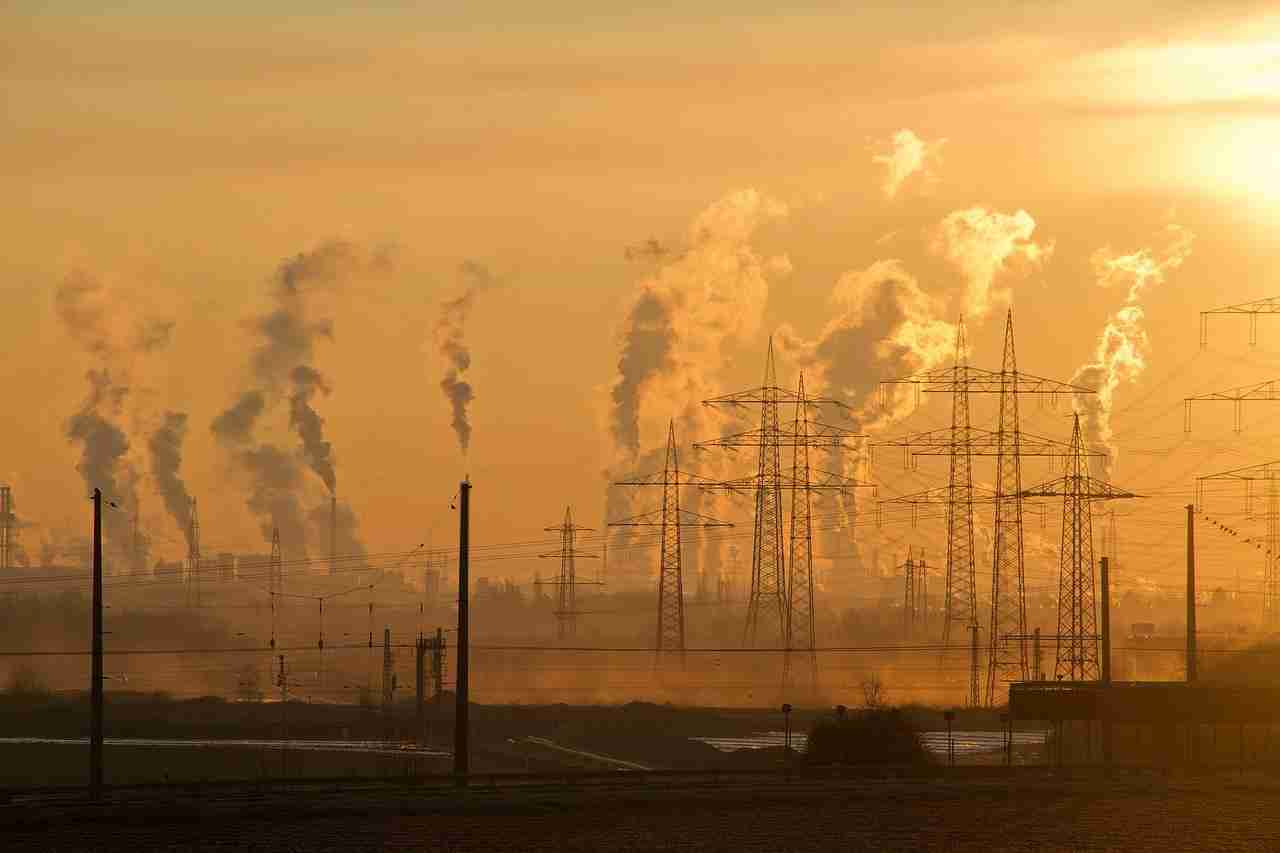
Embracing sustainable rice milling practices not only enhances the efficiency of production but also significantly reduces the environmental footprint of the rice industry. By utilizing energy-efficient machines and eco-friendly processes, the 2-ton rice mill plant project champions methods that minimize harmful emissions and waste. This forward-thinking approach leads to several crucial benefits:
- Reduction in Carbon Emissions: Initiatives focused on renewable energy sources diminish reliance on fossil fuels, significantly cutting down greenhouse gas emissions.
- Waste Utilization: By-products like rice husk can be repurposed as biomass fuel, promoting a circular economy and reducing the volume of waste directed to landfills.
- Water Conservation: Advanced milling techniques often require less water, ensuring that this vital resource is preserved for future generations.
- Biodiversity Preservation: Sustainable practices foster healthier ecosystems, encouraging biodiversity in surrounding agricultural areas.
Moreover, the adoption of these methods can yield notable social advantages, including enhanced job opportunities in the green technology sector. As communities get involved in sustainable rice milling, they not only gain financial benefits but also contribute to the environmental restoration and resilience efforts. A comprehensive comparison of traditional versus sustainable milling practices demonstrates the stark contrasts in environmental impact:
| Aspect | Traditional Milling | Sustainable Milling |
|---|---|---|
| Carbon Emissions | High | Low |
| Water Consumption | High | Reduced |
| Waste Generation | High | Minimal |
| Energy Source | Fossil Fuels | Renewable Energy |
Through the integration of sustainable practices, rice processing can become not only economically viable but also environmentally responsible, ensuring food security while nurturing the planet.
Economic Impact and Community Empowerment through Local Sourcing
The 2-Ton rice mill plant Project represents a pivotal shift towards economic resilience and sustainability. By emphasizing local sourcing, the initiative is not only designed to bolster the agricultural sector but also aims to create a ripple effect in the community. This project comes with the promise of job creation, enabling locals to find employment opportunities in both the mill operation and in the surrounding agricultural supply chain. The benefits extend beyond mere employment; they include the enhancement of local economies through increased spending. As the mill processes local rice, farmers see a more profitable return on their hard work, allowing them to reinvest in their farms and families.
Moreover, the project encourages community empowerment through cooperative engagement and access to resources. By fostering strong partnerships with local farmers and suppliers, the 2-Ton rice mill plant ensures that the community has a stake in its economic development. The emphasis on local sourcing reduces dependency on external markets, thus promoting sustainability and resilience against economic fluctuations. In addition, educational programs will be arranged to teach sustainable farming practices, helping growers improve their yields and manage their resources wisely. Together, these initiatives are set to transform the agricultural landscape, making communities not just participants in the economy, but pivotal drivers of their own growth.
| Benefit | Description |
|---|---|
| Job Creation | Direct employment through the mill and indirect opportunities in farming. |
| Economic Growth | Increased profitability for local farmers boosts the local economy. |
| Community Engagement | Stronger partnerships improve community ties around agriculture. |
| Sustainability Education | Workshops will advance sustainable practices among local farmers. |
Implementing Best Practices for Efficiency and Longevity in Rice Production
In the quest for sustainable rice production, implementing advanced methodologies can significantly enhance yield and reduce environmental impact. Utilizing integrated pest management (IPM) practices promotes biodiversity while effectively controlling pests without excessive reliance on chemical pesticides. Key practices include:
- Crop rotation: Alternating rice with legumes or other crops to improve soil fertility and disrupt pest cycles.
- Use of resistant varieties: Selecting and cultivating rice strains that are naturally resistant to common diseases and pests.
- Biological controls: Encouraging the presence of natural predators and beneficial insects to maintain a balanced ecosystem.
Moreover, embracing precision farming technologies can optimize resource usage and improve overall efficiency. Implementing methods such as satellite imagery and soil sensors enables farmers to make informed decisions based on real-time data. Consider the following benefits:
| Benefit | Description |
|---|---|
| Water management | Efficient irrigation techniques reduce water usage while maximizing crop health. |
| Soil health monitoring | Regular assessments help tailor fertilizer applications to specific nutrient needs. |
| Yield tracking | Data-driven insights enhance production planning and resource allocation. |
The Way Forward
As we draw the curtains on our exploration of the 2-Ton rice mill plant Project, it becomes clear that this initiative is much more than a mere agricultural venture; it is a stepping stone towards a sustainable future. The integration of efficient technology, environmentally friendly practices, and community engagement stands as a testament to what can be achieved when innovation meets responsibility.
By addressing the dual challenges of rising food demand and ecological preservation, this project not only aims to bolster local economies but also champions the importance of sustainability in a rapidly changing world. The road ahead may be long, but the milestones we achieve today—through projects like this—pave the way for generations to follow.
In closing, let us embrace the lessons learned from this journey as we cultivate a mindful approach to agriculture, one rice grain at a time. With continued commitment and collaboration, we can turn the vision of a sustainable future into a tangible reality, nurturing both our planet and its people for many years to come.




