
In the heart of agriculture’s intricate tapestry lies one of humanity’s oldest staples: rice. This grain, revered in many cultures and diets, nourishes billions and plays a pivotal role in economies worldwide. Yet, the journey from paddy to plate is a complex one, marked by an essential process known as milling. Welcome to a deep dive into the world of rice milling units—where technology meets tradition, and grains are transformed into the culinary cornerstone of countless meals. In this exploration, we will unravel the intricate mechanisms, innovative practices, and challenges faced by rice milling operations, shedding light on how these units not only enhance grain quality but also contribute to sustainable food practices. Join us as we unlock the secrets of rice milling units and their vital role in feeding the world.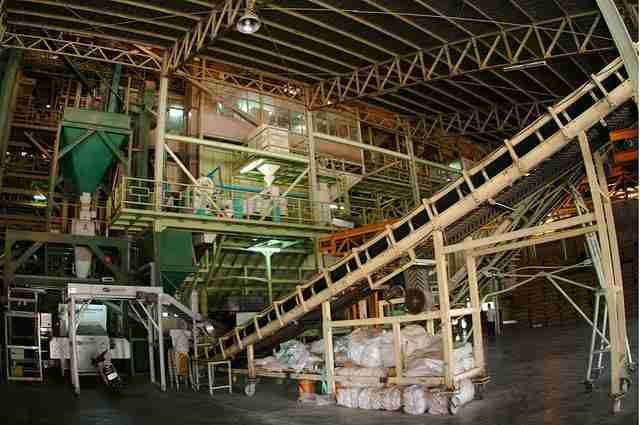
Understanding the Rice Milling Process and Its Importance
The rice milling process is a critical phase in transforming paddy into the white rice that adorns our tables. This intricate procedure involves several steps designed to achieve optimal quality while preserving the integrity of the grain. First, paddy cleaning plays a vital role in removing impurities such as stones, dirt, and husks, ensuring only the best grains move forward. Following this, the husking process separates the rice grains from their inedible hulls using a husker, which utilizes friction and pressure. Once hulled, the rice undergoes whitening, where abrasive processes polish the grains, producing the shiny texture associated with well-milled rice.
Understanding the milling process is crucial not only for producers but also for consumers who value quality. Here are some key aspects that emphasize the importance of rice milling:
- Quality Control: Proper milling enhances the visual appeal and taste of rice.
- Nutritional Integrity: Advanced milling techniques help retain vital nutrients found in rice.
- Market Demand: Efficient milling processes enable producers to meet varying consumer preferences.
- Economic Impact: Well-established milling units can boost local economies by providing employment and supporting agricultural development.
Essential Equipment for Efficient Rice Milling Operations
In the intricate world of rice milling, having the right tools at your disposal can significantly enhance productivity and quality. The heart of any rice milling operation lies in its essential equipment, which works in unison to convert paddy into polished rice. Key machinery includes the paddy separator, which efficiently sorts the rice from the inedible parts, and the dehusker, responsible for removing the husk that encases the rice grain. Additional vital components such as whitener machines ensure optimal debranning while adhering to quality standards, all designed to achieve a smooth, premium finish. Other machinery, like the grading and sorting systems, guarantees the separation of rice grains by size and quality, meeting diverse market demands.
A well-rounded rice milling unit should also be equipped with supplementary tools to enhance operational efficiency and maintain the cleanliness of the grains. Consider the air compressor, essential for removing excess dust and debris, which can compromise the end product’s quality. Furthermore, the storage silos play a critical role in maintaining the integrity of the rice after milling by protecting it from environmental factors. Combining all these components not only optimizes production but also ensures that the final product is both high-quality and market-ready. When setting up a rice milling operation, careful planning and investment in these crucial pieces of machinery will ultimately pay off in the long run.
| Equipment Type | Function | Benefits |
|---|---|---|
| Paddy Separator | Sorts paddy from inedible parts | Increases milling yield |
| Dehusker | Removes husk from rice | Ensures quality and taste |
| Whitener Machine | Polishes and debrans rice | Achieves a premium finish |
| Grading System | Sorts rice by size | Meets market requirements |
| Air Compressor | Removes dust and debris | Enhances product cleanliness |
| Storage Silos | Stores milled rice | Protects quality post-milling |
Quality Control Measures for Optimal Grain Output
Achieving optimal grain output in rice milling units hinges on implementing rigorous quality control measures throughout the entire process. Each step from harvesting to milling affects the final product, and maintaining quality requires a keen eye for detail. Whether it’s ensuring that the raw paddy is free from impurities or monitoring moisture content, attention to these factors can significantly influence yield and quality. To streamline operations, consider the following quality control practices:
- Regular Inspections: Conduct routine checks of equipment to prevent malfunctions that might compromise quality.
- Moisture Management: Maintain moisture levels within the recommended range to avoid spoilage and maximize milling efficiency.
- Sampling Procedures: Implement a systematic sampling process for quality assessment of both incoming and outgoing grains.
Incorporating technology can further enhance quality control measures by utilizing advanced equipment for precise measurement and automated inspections. For instance, introducing optical sorting machines can vastly improve the separation of broken grains from whole ones, ensuring a higher quality output. Additionally, maintaining a record of quality metrics over time enables rice milling units to identify trends and areas for improvement. Here’s a brief overview of key performance indicators (KPIs) to monitor:
| KPI | Description | Target Range |
|---|---|---|
| Moisture Content | Percentage of water in paddy | 12-14% |
| Breakage Rate | Proportion of broken grains post-milling | Less than 5% |
| Impurity Levels | Percentage of impurities in the finished product | Below 1% |
Sustainable Practices in Rice Milling: Balancing Efficiency and Environmental Impact
In the realm of rice milling, the integration of sustainable practices has become imperative for balancing production efficiency with environmental stewardship. By adopting eco-friendly technologies, rice millers can significantly reduce their carbon footprint while maintaining output quality. Strategies such as water recirculation systems and energy-efficient equipment play a pivotal role in minimizing resource consumption. A focus on precision milling not only enhances the grade of the rice produced but also lessens waste through improved recovery rates of edible rice from paddy. Additionally, implementing renewable energy sources, like solar or biomass, can lower reliance on fossil fuels, promoting both sustainability and cost savings in the long run.
Furthermore, fostering collaboration within local communities can lead to innovative solutions aimed at enhancing sustainability across the supply chain. Initiatives may include:
- Training programs for farmers on best practices in rice cultivation
- Waste valorization, transforming by-products into valuable resources
- Certification schemes to encourage environmentally friendly practices among producers
Incorporating these practices not only ensures compliance with environmental regulations but also appeals to a growing market of eco-conscious consumers. While the challenges of sustainable rice milling remain, the potential for a harmonious relationship between productivity and environmental responsibility offers a pathway to a resilient agri-food sector.
Key Takeaways
As we conclude our in-depth exploration of rice milling units, it becomes clear that these hubs of transformation are much more than just processing facilities; they are pivotal points in the journey of one of the world’s most essential grains. From the intricate machinery that husks and polishes grains to the dedicated workforce behind the scenes, each element contributes to the production of quality rice that sustains billions globally.
Unlocking the grains is not merely about enhancing yield but encompasses the broader narrative of agricultural innovation, economic development, and food security. As we look to the future, it is imperative to continue embracing advancements in technology and sustainable practices within the rice milling sector, ensuring that we meet the demands of a growing population while respecting the delicate balance of our environment.
In our pursuit of knowledge and improvement, let us remember that behind every grain of rice lies a story of care, effort, and progress that connects us all. Whether you are a farmer, a processor, or simply a consumer, understanding the complexities of rice milling enriches our appreciation for this staple food that nourishes us every day. As we move forward, may we continue to unlock the potential within our grains, paving the way for a more sustainable and prosperous future.




