
In the shimmering expanse of golden rice fields, a quiet revolution is taking root—one that promises to transform not just the grains we consume, but also the livelihoods of millions who depend on this staple crop. The modern rice milling unit has emerged as a beacon of innovation and efficiency, bridging the age-old practices of agriculture with cutting-edge technology. As we delve into this metamorphosis, we explore how these advanced milling systems are unlocking the potential of rice cultivation, enhancing quality, and ensuring sustainability in an increasingly demanding world. Join us on this journey to understand the intricate mechanics of modern rice milling and its far-reaching implications for farmers, economies, and global food security.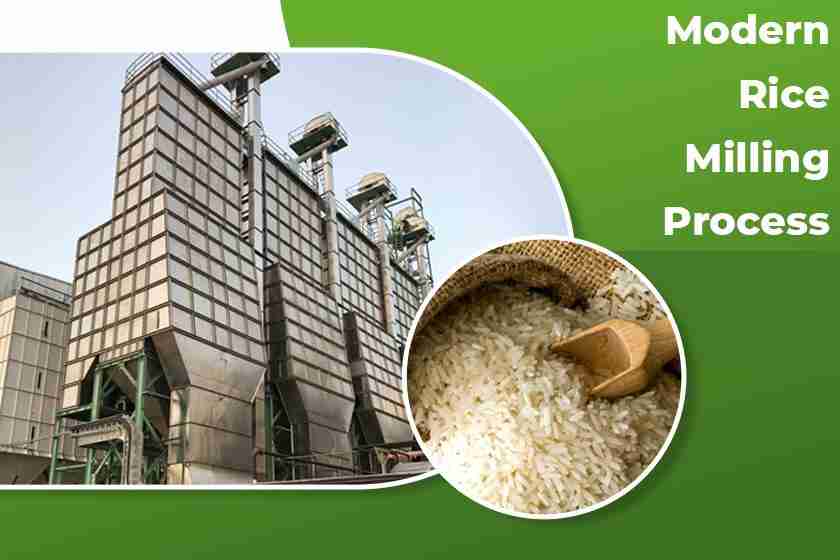
The Evolution of Rice Milling Technology and Its Impact on Productivity
The journey of rice milling technology has undergone tremendous changes over the centuries, shifting from labor-intensive manual processes to sophisticated mechanized systems. Traditional methods, such as hand pounding and the use of wooden mortars, constrained productivity and often led to inconsistent grain quality. However, the introduction of simple milling machines in the early 20th century marked the first major leap forward, allowing millers to process higher volumes of rice with greater efficiency. Key advancements include:
- Introduction of steel hulling machines – enabling efficient removal of husks.
- Integration of air classifiers – improving the separation of brown rice from husk.
- Automated polishing units – enhancing the quality and appearance of milled rice.
As technology progressed, the emergence of modern milling units, equipped with digital controls and automated features, significantly boosted productivity. These units are designed to optimize every aspect of the milling process, resulting in higher yield rates and reduced production costs. With the implementation of sophisticated technologies, such as sensor-based monitoring and AI algorithms, millers can now ensure precise control over the milling parameters, leading to better quality outcomes. The subsequent impact is notable across various facets:
| Impact Area | Before Modernization | After Modernization |
|---|---|---|
| Productivity | Lower yield with high waste | Higher yield with minimal waste |
| Quality | Inconsistent grain quality | Uniform and premium quality grains |
| Labor Efficiency | High manual labor requirements | Reduced labor dependency through automation |

Integrating Sustainable Practices in Modern Milling Units
Modern milling units are increasingly embracing eco-friendly strategies that not only optimize production but also contribute to environmental sustainability. By integrating renewable energy sources, such as solar or wind power, facilities significantly reduce their carbon footprint. Moreover, advancements in technology allow these units to operate with enhanced energy efficiency, which minimizes waste and lowers operational costs. Key sustainable practices include:
- Water Recycling: Implementing systems that allow for the collection and reuse of water used in the milling process.
- Zero Waste Initiatives: Transforming by-products into animal feed or biofuel, thus ensuring that nothing goes to waste.
- Organic Packaging: Utilizing biodegradable or recyclable materials for packaging, reducing plastic consumption.
A vital aspect of this transformation also involves employee training and awareness programs that emphasize sustainable methodologies. Education ensures that all team members understand the importance of minimizing resource use and adhering to environmentally friendly practices. To quantify the shift towards sustainability, the following table illustrates common metrics observed in modern milling units:
| Metric | Before Integration | After Integration |
|---|---|---|
| Energy Consumption (kWh/year) | 100,000 | 70,000 |
| Water Usage (liters/year) | 500,000 | 350,000 |
| Waste Produced (tons/year) | 200 | 50 |
These metrics highlight a remarkable reduction in energy, water consumption, and waste, illustrating the effectiveness of these integrated sustainable practices. The modern milling unit revolution is not merely about enhancing productivity; it’s about ensuring that this productivity aligns with the needs of a more sustainable future.

Enhancing Quality Control: The Role of Automated Systems
Automated systems play a pivotal role in transforming quality control within modern rice milling units. By leveraging advanced technologies such as machine learning and computer vision, these systems meticulously monitor every stage of the milling process. The ability to quickly analyze data ensures that any inconsistencies or defects are identified in real-time, leading to remarkable improvements in product quality. Automated sorting mechanisms utilize refined algorithms to assess rice grains, allowing for precise separation of high-quality grains from inferior ones. This precision not only enhances the final product but also boosts customer satisfaction.
The integration of automated systems significantly reduces human error and increases operational efficiency, enabling mill operators to focus on strategic decisions rather than mundane tasks. Key features of these systems include:
- Real-time monitoring: Constant analysis of milling parameters.
- Data-driven insights: Detailed analytics to aid in continuous improvement.
- Predictive maintenance: Anticipating equipment failures before they occur.
With automated interventions, mills can ensure a consistent product batch after batch, building trust and reliability in their brand. The shift towards automation not only enhances quality control but also positions rice milling units to adapt to the rapidly changing demands of the market.
Future Trends in Rice Milling: Innovations Shaping the Industry
The rice milling industry is undergoing a significant transformation, fueled by technological advancements that enhance efficiency and sustainability. One of the most notable trends is the integration of smart technology into milling processes. IoT devices and sensors are being implemented to monitor various parameters such as humidity, temperature, and milling efficiency in real-time. This not only helps in maintaining quality control but also allows millers to make data-driven decisions to optimize their operations. Furthermore, the use of artificial intelligence in predictive maintenance is enabling mills to reduce downtime and prolong the lifespan of their equipment.
Another emerging trend is the focus on energy-efficient practices. As sustainability becomes a priority, rice milling units are adopting eco-friendly technologies such as solar energy systems, waste heat recovery, and water conservation techniques. By embracing renewable energy sources, mills can significantly lower their carbon footprint while simultaneously reducing operational costs. Additionally, advancements in machinery design allow for more effective grain processing, resulting in higher yield rates and less overall waste. The combination of these innovations is not only revitalizing the industry but also aligning it with global sustainability goals.
Key Takeaways
As we conclude our exploration of the revolutionary advancements in modern rice milling units, it becomes evident that this sector stands at the brink of a transformative era. The integration of cutting-edge technology, sustainable practices, and enhanced efficiency not only promises to elevate the quality of rice production but also aims to empower farmers and communities reliant on this staple crop.
The journey to unlock the full potential of rice milling is not just about offering improved machinery; it reflects a larger commitment to food security, economic development, and environmental stewardship. As we look to the future, the wisdom gleaned from this revolution will continue to inspire innovation and collaboration across the agricultural landscape.
as the modern rice milling unit redefines the means of production, we find ourselves in a pivotal position—one that not only celebrates the humble grain but also contemplates its role in feeding a growing world. Let us embrace this movement towards efficiency and sustainability, ensuring that the benefits of these advancements ripple through every facet of rice cultivation and consumption. The grains of tomorrow are ready to be harvested; let us nurture them with care and foresight.




