
In the quiet hum of rural landscapes, where golden fields of rice sway gently in the breeze, a transformative process quietly unfolds—one that significantly impacts farmers’ livelihoods, local economies, and global food systems. Welcome to the ingenious world of rice milling units, where the simple grain is elevated from its raw state to a staple that nourishes billions. This article delves into the intricate workings of these milling units, revealing how they unlock the potential hidden within each grain of rice. From the innovative machinery that blends age-old techniques with modern technology to the empowering stories of smallholder farmers embracing change, we explore the pivotal role these units play in connecting agricultural practice with economic advancement. Join us as we peel back the layers of this vital process, laying bare the importance of rice milling in the quest for sustainability, efficiency, and food security in our ever-evolving world.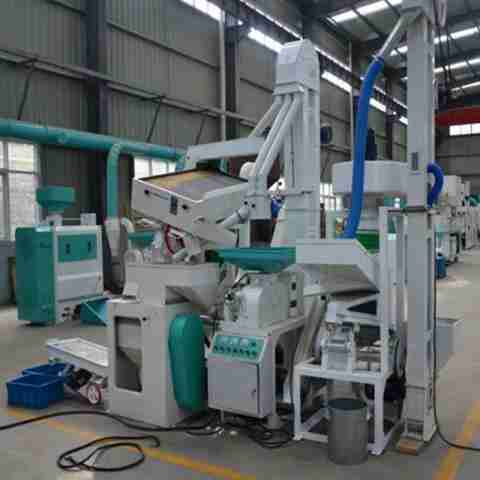
Exploring the Mechanisms of Rice Milling Units
Rice milling units operate through a fascinating interplay of mechanical processes that transform paddy into the polished white rice prized around the world. At the heart of this transformation lies a series of meticulously designed machines, each serving a specific purpose within the larger system. The primary stages of milling include:
- Pre-cleaning: Removal of impurities and foreign particles.
- Husking: Separation of the hull from the paddy.
- De-stoning: Removal of small stones and other foreign materials.
- Milling: Grinding down the grains to remove bran and polish the rice.
- Grading: Sorting the rice based on size and quality.
Each component of the milling unit collaborates to ensure maximum efficiency and quality. For instance, modern husking machines utilize rubber rolls to minimize breakage, while paddy separators leverage air pressure to optimize the separation process. It’s not just mechanics at play; technology has further refined these processes. Many milling units now incorporate automation and sensor technology, enhancing precision and reducing labor costs. Here’s a quick overview of key technologies that have reshaped the milling landscape:
| Technology | Benefits |
|---|---|
| Automation | Improved operational efficiency and lower human error. |
| Sensor Technology | Enhanced monitoring of grain quality and moisture content. |
| Data Analytics | Insights for better procurement and inventory management. |

Enhancing Efficiency: Best Practices for Operational Success
In the bustling landscape of rice milling, achieving peak operational efficiency is vital for maintaining competitiveness and ensuring high-quality output. By adopting a series of best practices, rice milling units can streamline their processes and reduce waste. One effective approach is the regular maintenance of machinery, which prevents unexpected breakdowns and extends the lifespan of equipment. Additionally, implementing a just-in-time inventory system can minimize storage costs and ensure that only necessary materials are procured. Here are a few more strategies that can significantly enhance productivity:
- Staff Training: Continuous skill development for employees boosts morale and operational expertise.
- Process Automation: Utilizing advanced milling technology reduces human error and increases throughput.
- Quality Control: Establishing rigorous quality checks throughout the milling process minimizes rework and waste.
Furthermore, fostering a culture of open communication within teams can significantly improve problem-solving and innovation. Regular team meetings and feedback sessions allow for the sharing of insights that can lead to process refinement and the implementation of new ideas. To illustrate the potential impact of these practices, we can summarize the benefits in the following table:
| Practice | Benefit |
|---|---|
| Regular Maintenance | Reduces downtime and repair costs |
| Training Programs | Enhances worker efficiency and safety |
| Process Automation | Increases production speed and consistency |
The Economic Impact of Small-Scale Rice Milling on Local Communities
The advent of small-scale rice milling units has unlocked a plethora of economic opportunities for local communities, acting as a catalyst for development and self-sufficiency. These units not only simplify the process of converting paddy into rice but also empower farmers by providing them with immediate access to processing facilities. As a result, several benefits are realized:
- Increased Income: Farmers can sell their milled rice at a premium, boosting their overall profits.
- Job Creation: The establishment of milling units generates employment opportunities, both directly and indirectly, in various support roles.
- Enhanced Food Security: By milling rice locally, communities reduce reliance on external markets, stabilizing supply and prices.
The economic ripple effects of these rice milling operations can be profound. Local entrepreneurs can emerge, inspired by the success of milling units, leading to additional businesses that spring up around them. Consider the following insights:
| Area of Impact | Benefit | Example |
|---|---|---|
| Income Generation | Higher profit margins for farmers | Local farmers report up to 30% increase in earnings |
| Local Investments | Increased interest in community development | Investment in schools and health facilities |
| Market Resilience | Stabilized rice prices | Less volatility due to local production |
In addition, local economies experience a diversification of activity as community members explore supplementary businesses related to rice production, such as packaging, transportation, and distribution. This interconnectedness fosters a robust economic environment where innovations flourish, and self-reliance is nurtured, gradually steering communities toward a more sustainable agricultural future.
Future Innovations: Sustainable Technologies in Rice Processing
As the demand for more environmentally friendly agricultural practices grows, the rice processing industry is undergoing a significant transformation. Innovative solutions are being developed to enhance sustainability while maximizing efficiency. Here are some key innovations that are shaping the future of rice milling:
- Energy-Efficient Machinery: Modern rice processing units now incorporate energy-efficient technologies that utilize less power, lowering operational costs and reducing carbon footprints.
- Waste-to-Energy Conversion: Biomass waste generated during milling can be repurposed into energy sources, powering the processing units themselves and promoting a circular economy.
- Water Conservation Practices: Advanced rice milling systems are designed to significantly reduce water usage, integrating closed-loop systems that recycle water to minimize waste.
- Eco-Friendly Polishing Techniques: New approaches to polishing rice employ less abrasive methods that preserve grain quality while being gentler on the environment.
In addition to these technological advancements, collaboration with researchers and agricultural specialists is vital for driving innovation further. Investment in research and development helps in exploring alternative processing techniques that align with sustainable practices. The following table highlights some of the latest sustainable technologies that are currently being integrated in rice milling units:
| Technology | Benefit | Implementation Status |
|---|---|---|
| Solar-Powered Mills | Reduces dependency on fossil fuels | In pilot testing |
| Water Recycling Systems | Minimizes water waste | In development |
| Heat Recovery Systems | Improves energy efficiency | Widely adopted |
Concluding Remarks
As we conclude our journey into the ingenious world of rice milling units, it’s clear that these remarkable machines serve as the unsung heroes of the agricultural landscape. They play a vital role in transforming humble grains into market-ready products, bridging the gap between farmers and consumers. Beyond the mechanics of their operation, rice milling units embody the potential for innovation and efficiency in food processing, proving that with the right tools and technology, we can unlock greater value from the resources at our disposal.
By understanding and embracing the intricacies of rice milling, we not only enhance our food systems but also support local economies, promote sustainability, and contribute to global food security. As we look toward the future, it is essential to recognize the evolving role of these units in addressing the challenges faced by our agricultural sector.
In a world where food is both a necessity and a commodity, the investment in advanced milling technologies represents a crucial step toward a more resilient and responsible food supply chain. So, let us continue to celebrate the ingenuity behind rice milling units and advocate for the innovations that will propel us into a future filled with possibility—where every grain holds the potential for profound impact.




