
Unlocking Potential: The Essential Rice Milling Unit Guide
In the heart of agricultural innovation lies a transformative process that has shaped economies and nourished communities for centuries: rice milling. As one of the world’s staple foods, rice holds a special place not only on our plates but also within global trade dynamics. With the demand for high-quality rice continuing to surge, understanding the intricacies of rice milling units has never been more crucial. This guide aims to illuminate the often-overlooked elements of rice milling, from the technology that powers modern processing facilities to the best practices that unlock the full potential of this vital grain. Whether you are an aspiring entrepreneur, a seasoned mill owner, or simply curious about the art and science behind rice processing, this comprehensive resource will provide the insights necessary to thrive in a rapidly evolving industry. Join us on this journey to unlock the potential of rice milling, where tradition meets innovation, and every grain tells a story of hard work and resilience.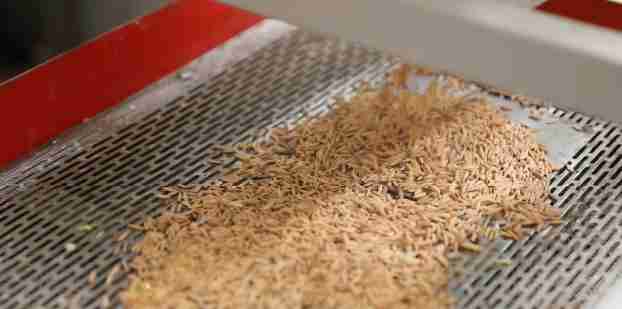
Understanding the Rice Milling Process for Optimal Efficiency
The rice milling process is a complex sequence of operations that transforms raw paddy into the market-ready white rice that consumers know and enjoy. This process is crucial not just for quality but also for optimizing efficiency. Understanding each stage—such as pre-cleaning, husking, milling, and polishing—enables mill operators to identify areas for improvement. One essential method of enhancing efficiency lies in minimizing waste and maximizing the quantity of edible rice produced. Considerations such as moisture control and equipment maintenance play pivotal roles in this effort.
To illustrate the components of an effective rice milling process, here’s a concise overview of the key steps involved:
| Step | Description |
|---|---|
| Pre-Cleaning | Removal of impurities like stones and husks. |
| Husking | Separation of the rice grains from their husks. |
| Milling | Refining the rice by removing bran layers. |
| Polishing | Enhancing the appearance and quality of the rice. |
By focusing on these essential stages, millers can strategically fine-tune their processes for maximum yield while maintaining high-quality standards. Investment in modern milling technologies, along with rigorous staff training, can also have a significant impact on the overall efficacy of operations. This holistic approach ensures that mills not only meet market demands but also contribute to sustainable practices within the rice industry.

Key Equipment and Technology in Modern Rice Milling Units
Modern rice milling units have evolved significantly, integrating advanced machinery that enhances both efficiency and the quality of the final product. Huskers, whiteners, and polishers are crucial components of these units. Huskers are designed to remove the outer husk, while whiteners and polishers ensure that the rice emerges with a pristine appearance, free from impurities. Additionally, sieving machines are employed to sort grains effectively, ensuring uniformity in size and quality, which is essential for market acceptance.
The technological backbone of contemporary milling units also includes infrared dryers for precise moisture control, preventing spoilage during storage, and color sorters, which utilize high-resolution cameras and computer technology to detect and eliminate discolored grains. These innovations enhance both the safety and shelf-life of rice products. Moreover, automated systems for packaging and weighing streamline operations, bolstering productivity. Below is a table that summarizes some key equipment and their functions:
| Equipment | Function |
|---|---|
| Huskers | Remove the outer husk from rice grains. |
| Whiteners | Polish and refine the rice for a clean finish. |
| Infrared Dryers | Maintain optimal moisture content during storage. |
| Color Sorters | Ensure only high-quality rice is packaged. |

Best Practices for Quality Control in Rice Milling Operations
In the quest for excellence in rice milling operations, establishing standardized procedures is vital. This involves creating a comprehensive quality control manual that outlines every stage of production, from raw material intake to finished product packaging. Regular training sessions for staff ensure that everyone is familiar with these standards, fostering a culture of quality. Additionally, investing in state-of-the-art technology such as color sorting machines and moisture meters can significantly enhance the precision of quality assessments, minimizing human error and optimizing produce quality.
Conducting frequent quality audits is equally essential. These audits should encompass both visual inspections and instrumental testing, allowing for a holistic view of product integrity. Engage all stakeholders by soliciting feedback from workers on the ground, as they can provide invaluable insights into potential areas for improvement. A focus on data collection and analysis can also lead to informed decision-making, enabling continuous improvement of milling processes. Summarizing key performance indicators (KPIs) in a dashboard format can help track progress and maintain accountability within the milling unit.
| Quality Control Elements | Description | Frequency |
|---|---|---|
| Raw Material Inspection | Assessing the quality of paddy before milling | Daily |
| Process Monitoring | Observing machines during operation for efficiency | Hourly |
| Finished Product Testing | Sampling rice for quality parameters like moisture and aroma | Daily |
| Employee Training | Regular updates on quality control protocols | Quarterly |
Strategies for Enhancing Profitability and Sustainability in Rice Milling
To enhance profitability in rice milling, it is crucial to invest in modern technology that optimizes processing efficiency. By implementing automated systems, such as advanced milling machinery and real-time monitoring software, mills can significantly reduce waste and energy consumption. These technological upgrades not only streamline operations but also help maintain high-quality standards, attracting more customers. Consider incorporating practices like:
- Energy-efficient equipment: Use machines designed to consume less power.
- Quality control measures: Implement stringent quality checks to minimize rework.
- Data analytics: Utilize data to track production metrics and identify areas for improvement.
Sustainability can further amplify profits in rice milling through eco-friendly initiatives. Incorporating biodegradable packaging, promoting the use of organic rice, and adopting water-efficient processing methods can set a mill apart in a competitive market. Many consumers today prioritize sustainability, giving a significant edge to businesses that align with these values. Effective strategies include:
- Waste reduction: Implementing recycling programs for rice husks and by-products.
- Water conservation techniques: Investing in systems that recycle water used in milling.
- Environmental certifications: Obtaining certifications that validate sustainable practices.
| Strategy Type | Actionable Strategies |
|---|---|
| Profitability | Modern equipment investment, Energy savings |
| Sustainability | Biodegradable packaging, Waste management systems |
Final Thoughts
As we close the chapter on our exploration of rice milling units, it’s clear that this vital aspect of agriculture holds the key to unlocking the potential of a staple food that nourishes billions. From understanding the intricate mechanics of milling to recognizing the economic impacts on local communities, we’ve journeyed through the essential components that contribute to an efficient and sustainable rice production process.
The transformation of unmilled rice into the fluffy grains that grace our tables is not merely an industrial task; it is a beacon of innovation and sustainability. As we move forward, embracing the latest technologies and practices, we invite you to foster a deeper appreciation for the diligent work that goes into each grain.
Whether you are a seasoned professional in the field or someone with a budding interest in agricultural ventures, remember that every great advancement begins with a dedication to understanding the roots of the process. Together, let’s cultivate a future where rice milling units not only support food security but also promote economic resilience and environmental stewardship.
Thank you for joining us on this enlightening journey. Your newfound insights can help pave the way for a more efficient and sustainable approach to rice milling, ensuring that this cherished grain continues to thrive for generations to come.




